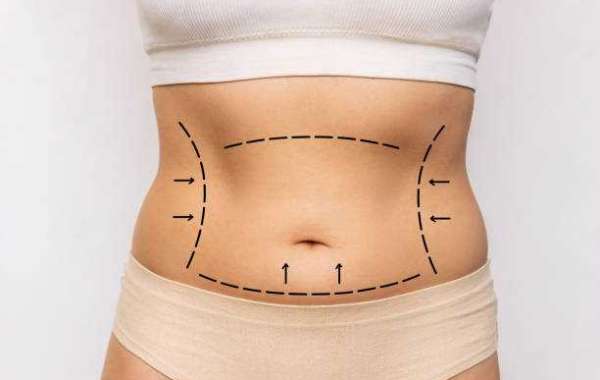

Liposuction can remove localized deposits of fat and improve the contours of selected areas of the body. However, the procedure does not prevent future changes in body composition. Long-term results are influenced by factors such as weight stability, nutrition, physical activity, sleep, and other lifestyle habits.
For people considering liposuction, understanding how daily habits can affect the longevity of results is an important part of setting realistic expectations. Liposuction can provide lasting contour improvement, but maintaining those improvements requires ongoing attention to overall health and weight management.
How Does Liposuction Affect Fat Cells?
Liposuction physically removes fat cells from targeted areas.
The removed cells do not simply grow back. However, the body still contains many fat cells in both treated and untreated areas.
If you gain significant weight after liposuction, the remaining fat cells can enlarge. This may change your overall body shape and reduce the definition created by the procedure.
Why Is Weight Stability Important?
Maintaining a relatively stable weight is one of the most important factors for preserving liposuction results.
Significant weight fluctuations can affect:
- Waist definition
- Abdominal contours
- Thigh shape
- Arm contours
- Overall body proportions
A stable weight can help the treated areas maintain their improved appearance.
How Does Nutrition Affect Long-Term Results?
A balanced eating pattern can support healthy weight management.
Focus on a variety of nutrient-rich foods, including:
- Vegetables
- Fruits
- Whole grains
- Lean protein sources
- Healthy fats
- Appropriate portions
The goal is not to follow an extreme diet but to develop sustainable eating habits that support your overall health.
Does Eating Too Much Fat Cause Liposuction Fat to Return?
Dietary fat itself does not directly cause the removed fat cells to return.
However, consistently consuming more calories than your body needs can lead to weight gain. Remaining fat cells can enlarge, potentially affecting the contours of both treated and untreated areas.
Balanced portions and overall calorie awareness can help support weight stability.
The Role of Protein
Protein is an important component of a balanced diet.
Adequate protein intake supports normal tissue maintenance and can be part of a healthy eating pattern after recovery.
Choose appropriate protein sources according to your individual nutritional needs.
How Does Exercise Help Maintain Results?
Regular physical activity can help support a stable weight and healthy body composition.
Once you have fully recovered and your surgeon has cleared you for exercise, activities may include:
- Walking
- Strength training
- Cycling
- Swimming
- Cardio exercise
- Other enjoyable physical activities
The best routine is one that can be maintained consistently.
When Can You Resume Exercise After Liposuction?
Exercise should not be resumed too quickly after surgery.
During the initial recovery period, your surgeon may recommend gentle movement while restricting strenuous activity and heavy lifting.
Your return to exercise should be gradual and based on medical clearance.
Can Strength Training Improve Body Contours?
Strength training can help develop and maintain muscle.
While it does not replace liposuction, maintaining muscle mass can contribute to overall body composition and physical function.
Once you are fully healed, a balanced strength-training routine can become part of your long-term lifestyle.
How Does Sleep Affect Weight Management?
Adequate sleep supports overall health and can contribute to healthy appetite regulation, energy levels, and daily functioning.
Consistently poor sleep can make healthy lifestyle habits more difficult to maintain.
Establishing a regular sleep routine can therefore support broader weight-management goals.
Does Stress Affect Liposuction Results?
Stress does not directly reverse liposuction.
However, ongoing stress can influence eating patterns, sleep, physical activity, and other behaviors that affect body weight.
Finding healthy ways to manage stress can make it easier to maintain consistent lifestyle habits.
Why Is Hydration Important?
Adequate hydration supports normal bodily functions and can be part of a healthy lifestyle.
Water should generally be the primary source of hydration for most people, while individual needs can vary based on activity, climate, and health.
Hydration alone cannot prevent weight gain, but it can support overall wellness.
Can Alcohol Affect Long-Term Results?
Alcohol can contribute additional calories and may affect eating habits and lifestyle consistency.
Frequent or excessive alcohol consumption can make weight management more challenging.
Moderation and adherence to your healthcare provider's recommendations are important.
Does Smoking Affect Liposuction Results?
Smoking and nicotine can interfere with circulation and wound healing, particularly during the postoperative period.
Avoiding smoking and nicotine is especially important around surgery and during recovery.
If you smoke, discuss this with your surgeon before undergoing liposuction.
Can Pregnancy Affect Liposuction Results?
Pregnancy can naturally change body weight, skin, abdominal tissues, and body proportions.
People who become pregnant after liposuction may experience changes in the treated areas.
This does not necessarily mean the procedure has failed, but the body may no longer have exactly the same contours.
Can Aging Change Liposuction Results?
Yes.
Aging naturally affects skin elasticity, muscle mass, fat distribution, and body composition.
Liposuction does not stop these normal changes.
Maintaining healthy habits can support overall body composition as you age.
What Happens After Significant Weight Gain?
Significant weight gain can enlarge remaining fat cells throughout the body.
This may affect both treated and untreated areas and can reduce the definition achieved through liposuction.
If weight gain occurs, sustainable lifestyle changes may help restore healthier body composition.
Can Weight Loss After Liposuction Improve Results?
If a person gains weight after surgery and later loses it through healthy methods, the treated areas may become more defined again.
However, large fluctuations in weight are generally less desirable than maintaining a relatively stable weight.
Do Lifestyle Habits Affect All Treatment Areas Equally?
Not necessarily.
Changes in body composition can affect different areas differently depending on genetics and individual fat distribution.
For example, significant weight gain may be more noticeable around the abdomen in one person and the thighs or hips in another.
Why Are Healthy Habits Important After Liposuction?
Liposuction addresses localized fat but does not treat the underlying causes of weight gain.
Healthy habits can help maintain:
- Stable body weight
- Improved body composition
- Physical fitness
- Overall health
- Long-term satisfaction with contouring results
What Should You Do During the Early Recovery Period?
Immediately after Liposuction in Riyadh, focus on following your surgeon's postoperative instructions rather than trying to rapidly change your body composition.
You may be advised to:
- Rest appropriately
- Walk gently when permitted
- Wear compression garments as instructed
- Take medications as prescribed
- Maintain adequate nutrition and hydration
- Avoid strenuous activity
- Attend follow-up appointments
When Should You Focus on Long-Term Fitness?
Once your surgeon confirms that healing is progressing appropriately, you can gradually return to a regular exercise routine.
Avoid using intense workouts as a way to accelerate postoperative results.
Your body needs adequate time to recover before demanding physical activity is resumed.
How Can You Make Healthy Habits Sustainable?
Long-term consistency is generally more useful than short-term extreme changes.
Consider:
- Eating balanced meals
- Maintaining regular activity
- Getting adequate sleep
- Managing stress
- Limiting excessive alcohol
- Avoiding smoking
- Monitoring major changes in body weight
Small, sustainable habits can be easier to maintain over time.
Can Liposuction Results Be Maintained Without Exercise?
It is possible to maintain stable weight without a formal exercise program, but regular physical activity offers important benefits for overall health and body composition.
Your lifestyle should include movement that is safe, enjoyable, and appropriate for your health and recovery status.
Setting Realistic Expectations
Liposuction can provide long-lasting improvement in body contours, but it does not freeze the body in time.
Weight changes, pregnancy, aging, and natural changes in body composition can all affect appearance.
Understanding this can help you approach the procedure with realistic expectations.
Book an Appointment at Royal Clinic Saudia
If you are considering Liposuction in Riyadh, consider booking a consultation at Royal Clinic Saudia. A qualified medical team can discuss your body-contouring goals, explain what liposuction can realistically achieve, and provide guidance on recovery and maintaining your results.
FAQs:
Can weight gain affect liposuction results?
Yes. Although removed fat cells do not return, remaining fat cells can enlarge when significant weight is gained, potentially changing overall body contours.
Is exercise necessary after liposuction?
Exercise is not solely responsible for maintaining results, but regular physical activity can support healthy weight management and overall health once you have fully recovered and received medical clearance.
Can a healthy diet help maintain liposuction results?
Yes. A balanced, sustainable eating pattern can help support stable weight and healthy body composition, which may help preserve improved contours.
Do liposuction results change with age?
They can. Aging naturally affects skin elasticity, muscle mass, fat distribution, and body composition. Healthy lifestyle habits can support overall health as these changes occur.