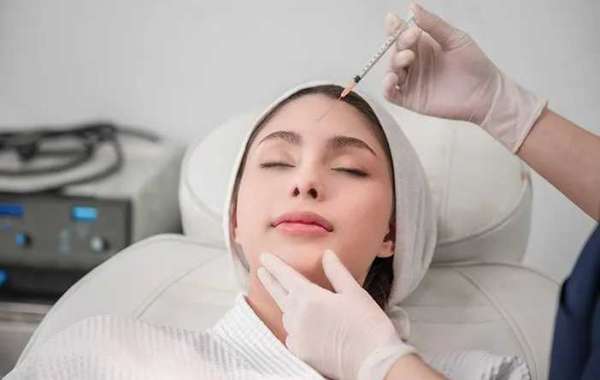

If you are consideringSkin Booster Injections in Dubai, one of the first questions you may have is simple: how much will it hurt? The thought of multiple tiny injections can sound intimidating, but skin booster treatment is generally described as a manageable cosmetic procedure rather than severe pain. The level of discomfort can vary depending on the injection technique, treatment area, product used, and individual pain tolerance.
Skin boosters are designed primarily to improve skin quality rather than dramatically add volume. Many formulations contain hyaluronic acid (HA), a substance that helps support skin hydration and elasticity. Because the product is usually delivered through small, superficial injections, the sensation tends to be brief and localized.
What Do Skin Booster Injections Feel Like?
The most common sensation during skin booster injections is a series of quick pinches, tiny pricks, or brief stinging sensations. Since the injections are generally placed within or close to the dermis, you may notice each puncture more clearly in areas where the skin is thinner or more sensitive.
For many people, the discomfort is temporary and disappears quickly after the needle moves away from the skin. However, it would be inaccurate to say that the treatment is completely painless. A 2025 study specifically examining pain during PDLLA skin-booster injections found measurable differences in perceived pain between facial sides, highlighting how individual pain perception can vary.
The treatment method also matters. Skin boosters can be administered using serial puncture techniques, multiple-needle injector devices, or alternative approaches such as blunt cannulas. Recent research comparing delivery methods for a hyaluronic-acid skin booster found lower reported pain with blunt-cannula delivery than with serial puncture or a multiple-needle injector technique.
Are Skin Booster Injections More Painful Than Regular Fillers?
It is difficult to make a direct comparison because "skin booster" covers several different injectable products and techniques. Traditional dermal fillers are often placed deeper and are commonly used to restore or create volume, while many skin boosters are injected more superficially to improve hydration, texture, elasticity, and overall skin quality.
This difference can affect what you feel during treatment. Skin booster injections may involve numerous small punctures because the product is distributed across a treatment area rather than concentrated in one location.
Some formulations may also contain an anesthetic such as lidocaine, which can help make the injection experience more comfortable. Research on an intradermal HA-based skin booster containing lidocaine illustrates how product formulation can be designed with patient comfort in mind.
Therefore, rather than asking whether skin boosters are "painful" or "painless," it is more useful to expect mild to moderate, short-lasting discomfort that can differ from one person to another.
What Makes Skin Booster Treatment More or Less Uncomfortable?
Several factors can influence your experience. Two people receiving the same treatment may report completely different sensations because pain perception is personal.
Important factors include:
- Treatment area: Thin or sensitive areas may feel more noticeable than areas with thicker skin.
- Injection technique: The number of needle punctures and the way the product is delivered can affect comfort.
- Product formulation: Different skin boosters contain different ingredients and concentrations.
- Pain sensitivity: People naturally have different tolerance levels for needles and cosmetic procedures.
- Treatment speed: A skilled, controlled technique may make the procedure feel more manageable.
- Skin condition: Irritated or inflamed skin may be more sensitive to injections.
- Anxiety: Anticipating pain can make individual sensations feel more intense.
The type of skin booster also matters because the term encompasses a broad group of injectable materials, including hyaluronic acid, polynucleotides, poly-lactic-acid-based materials, and other formulations. Consequently, the experience should not be generalized from one product to every skin booster treatment.
Does Numbing Cream Help With Skin Booster Injection Pain?
Topical numbing is one of the measures that may be discussed before a cosmetic injection procedure. Whether it is appropriate depends on the treatment, product, treatment area, and the clinician's protocol.
Numbing can reduce the sensation from needle entry, although it may not eliminate every sensation. You can still feel pressure, movement, or a brief sensation as the product is deposited into the skin.
It is also important to distinguish needle discomfort from pressure or stinging caused by the injection itself. Even when the skin is numbed, some people notice a temporary sensation during product placement.
If you are particularly sensitive to needles, discussing comfort measures during your consultation is worthwhile. Depending on the technique being used, alternatives may also be available. For example, a recent comparative case series found that blunt-cannula delivery produced lower pain scores than serial puncture and a multiple-needle injector for the HA-based product studied.
What Happens After Skin Booster Injections?
The end of the injections does not necessarily mean you will feel nothing immediately afterward. Mild tenderness, redness, swelling, small bumps, or bruising can occur at injection sites.
These effects are generally temporary. A recent review of injectable skin boosters describes mild redness and swelling as common short-term reactions, while pain, discomfort, bruising, and visible needle marks can also occur.
The appearance of tiny raised areas can be particularly noticeable when a product has been deposited superficially. Depending on the material and technique, these small papules or bumps may settle as the product distributes and the initial reaction subsides.
You should follow the specific aftercare instructions provided by your qualified practitioner. If discomfort becomes unusually severe, swelling continues to worsen, or you develop symptoms that concern you, contact the treating clinic promptly rather than assuming the reaction is normal.
How Can You Make the Treatment Experience More Comfortable?
Preparing properly can make the experience feel less stressful. Start by discussing your concerns honestly during the consultation, especially if you have a low tolerance for needles or have previously experienced significant discomfort during cosmetic procedures.
A few practical steps can help:
- Tell your practitioner about your pain sensitivity. This allows the treatment plan and comfort measures to be discussed beforehand.
- Ask which injection technique will be used. The delivery method can influence discomfort.
- Ask whether topical or local anesthetic measures are appropriate. Do not apply products on your own without checking first.
- Avoid arriving overly stressed or rushed. Anxiety can make a procedure feel more difficult.
- Follow pre-treatment instructions carefully. Your clinic may provide specific guidance based on the product and procedure.
- Plan for mild post-treatment tenderness. This can make the first few hours after treatment more comfortable to manage.
Choosing an appropriately trained medical professional is equally important. Skin boosters are minimally invasive, but they are still injectable procedures. Although most reactions are mild and temporary, rare complications can occur, including vascular complications, making appropriate product selection, injection technique, and anatomical knowledge important.
So, How Painful Are Skin Booster Injections Really?
For most people, the realistic expectation is noticeable but manageable discomfort rather than intense pain. You may feel a series of small pinches or brief stings during treatment, followed by temporary tenderness, redness, swelling, or tiny injection marks.
However, there is no universal pain score for skin booster treatment. The number of injections, facial area, product, technique, and individual sensitivity can all change the experience. Research also suggests that the method used to deliver a skin booster can influence pain, with some techniques producing lower reported discomfort than others.
For people considering Skin Booster Injections Treatment, the best approach is to discuss pain-control options and the planned injection technique before the procedure. Understanding exactly what will happen can remove much of the uncertainty and help you approach treatment with realistic expectations.