
Chewing should normally be comfortable and effortless. When a tooth becomes deeply decayed, cracked, infected, or inflamed, eating can become difficult. Pain may occur when biting into food, while some patients avoid using one side of the mouth altogether.
In suitable cases, Root Canal Treatment can help restore comfortable chewing by addressing infection and inflammation inside the tooth. Once the internal problem has been treated and the tooth receives an appropriate restoration, it may return to normal function.
Why Can a Damaged Tooth Affect Chewing?
A tooth affected by deep decay or infection can become sensitive to pressure. When you bite down, the force travels through the tooth and into the tissues surrounding its root.
If the pulp inside the tooth is inflamed or infected, pressure can trigger discomfort. Some patients describe the sensation as sharp pain, while others experience a dull ache or feeling of pressure.
A damaged tooth may also become structurally weaker. Large cavities, cracks, or previous dental work can reduce the amount of healthy tooth structure available to stand with normal chewing forces.
How Does Treatment Help?
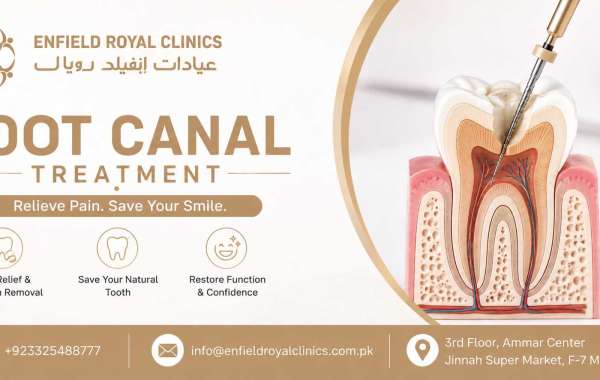
The main purpose of treatment is to remove infected or severely damaged pulp from inside the tooth. Once the affected tissue has been removed, the internal canals are carefully cleaned, disinfected, and sealed.
This addresses one of the main sources of persistent dental pain. As the surrounding tissues recover, discomfort associated with biting and chewing can gradually decrease.
The tooth can then be restored so that it can participate in normal chewing again. The final restoration is particularly important when the tooth has lost significant structure.
Can It Stop Pain While Biting?
Pain while biting can be caused by several dental problems, but infection inside the tooth is one possible cause. When that is the underlying problem, treating the infected pulp may significantly improve comfort.
After the procedure, some tenderness can remain for a short period because the tissues surrounding the root may still be inflamed. This is generally different from the original toothache and should gradually improve.
If pain while chewing continues or becomes worse, the tooth should be evaluated because another issue, such as a crack or bite problem, may be present.
What Role Does the Final Restoration Play?
Completing the internal treatment is only part of restoring chewing function. A tooth that has lost a large amount of structure may need a filling, crown, or another restoration.
The restoration rebuilds the tooth's shape and helps protect the remaining structure from everyday chewing pressure. For heavily weakened back teeth, a crown may provide additional protection against fracture.
The dentist will select the appropriate restoration based on the amount of healthy tooth structure remaining, the location of the tooth, and the forces it experiences.
Why Are Molars Especially Important for Chewing?
Molars are responsible for grinding and crushing food, so they experience greater pressure than many other teeth. When a molar becomes infected or severely damaged, patients may naturally begin avoiding that side of the mouth.
Once the infection is treated and the tooth is properly restored, normal chewing may become more comfortable. Protecting a weakened molar is particularly important because placing excessive pressure on an unrestored tooth can increase the risk of fracture.
A crown may often be considered when a molar has lost substantial structure.
Does Treatment Restore the Tooth's Original Strength?
Treatment can restore function, but it does not replace tooth structure that has already been lost. The remaining tooth depends on a suitable restoration for protection.
A heavily damaged tooth may therefore need more support than a tooth with only limited structural loss. Proper restoration helps distribute chewing forces and protects vulnerable areas.
Patients should also avoid habits that place excessive pressure on treated teeth, such as chewing ice, biting hard objects, or using the teeth as tools.
Can Chewing Feel Different After Treatment?
A treated tooth can initially feel slightly different from neighboring teeth. Mild tenderness or pressure sensitivity can occur while the surrounding tissues recover.
Some patients also notice that their bite feels unusual if the final restoration is slightly higher than the surrounding teeth. If the tooth consistently feels like it touches first when biting, the dentist can check the bite and make an adjustment if needed.
Once healing is complete and the restoration is properly adjusted, chewing should generally feel more natural.
How Soon Can You Chew Normally?
The timing varies depending on the tooth and restoration. You may be advised to avoid chewing directly on the treated tooth immediately after the procedure, particularly if a temporary filling has been placed.
Once the permanent restoration is secure and the dentist confirms that the tooth can handle normal pressure, you can generally return to regular eating.
Following these instructions helps protect the tooth while it is healing and reduces the risk of damage.
What If Chewing Pain Continues?
Persistent chewing pain after treatment should not be ignored. Mild soreness can be part of normal recovery, but ongoing or worsening discomfort may have another explanation.
Possible causes can include continued inflammation around the root, reinfection, an untreated canal, a cracked tooth, or an uneven bite.
Your dentist may perform additional tests or imaging to determine why the symptoms continue. In some situations, further treatment may be needed.
Can an Abscess Affect Chewing?
Yes. An abscess caused by infection around a tooth can make biting extremely uncomfortable. The tissues around the root become inflamed and sensitive to pressure.
When the infected tooth is treated, the source of the abscess can be addressed. As the infection and inflammation settle, pressure-related discomfort may improve.
However, an abscess may require additional care depending on its size and location. Professional assessment is important rather than relying on pain relief alone.
How Does Treatment Help Preserve Normal Bite?
Keeping a natural tooth in place can help maintain the existing relationship between neighbors and opposing teeth. Removing a tooth creates a space that may eventually affect tooth position and chewing patterns.
When the tooth can be successfully restored, Root Canal Treatment can help preserve its place in the dental arch. A suitable restoration then allows the tooth to continue contributing to normal chewing.
This can be particularly valuable for molars and premolars, which play an important role in breaking down food.
How Can You Protect Your Chewing Function Long Term?
Good oral hygiene is essential after treatment. Brush twice daily with fluoride toothpaste and clean between your teeth regularly to reduce the risk of new decay.
Attend routine dental checkups so the treated tooth and restoration can be monitored. Avoid hard objects and habits that place unnecessary pressure on the tooth.
If you grind or clench your teeth, discuss this with your dentist because excessive forces can damage both natural teeth and restorations.
Final Thoughts
Yes, Root Canal Treatment can improve chewing when pain or discomfort is caused by an infected or severely inflamed tooth. By removing damaged pulp, cleaning the internal canals, and sealing the tooth, treatment addresses the underlying source of infection and pain.
However, restoring chewing function also depends on rebuilding and protecting the tooth properly. A permanent filling or crown may be needed to provide sufficient strength and stability.
If chewing has become painful or you are avoiding one side of your mouth, a professional dental examination can identify the cause and determine whether treatment can help restore comfortable, normal function.
For more information visit Enfield royal clinic in islamabad