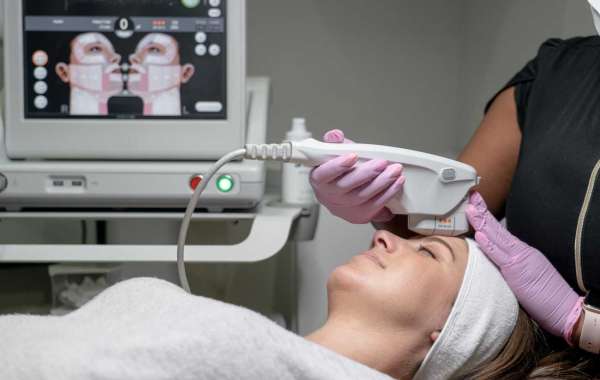

Forehead lines can become more noticeable over time and may make the upper face appear tired or older than it feels. While repeated facial expressions play an important role in their development, changes in skin structure and elasticity can also influence their visibility. Ultherapy Treatment in Dubai offers a non-surgical approach that focuses on supporting the skin through targeted ultrasound energy and natural collagen remodeling.
The treatment is different from procedures that primarily target facial muscle movement. Its focus is on the skin and underlying tissue, making it a potential option when reduced firmness contributes to the appearance of forehead aging.
Why Forehead Lines Develop
The forehead moves frequently during everyday expressions such as raising the eyebrows, concentrating, or showing surprise. Repeated movement can gradually contribute to visible lines.
At the same time, natural aging affects collagen and elastin within the skin. As structural support decreases, existing creases may become more noticeable even when the face is relaxed.
Sun exposure can also contribute to premature changes by affecting collagen and overall skin quality.
How Ultherapy Treatment in Dubai Approaches Forehead Aging
Ultherapy Treatment in Dubai uses focused ultrasound energy to deliver controlled stimulation beneath the skin. The objective is to encourage a natural tissue response that supports collagen production and remodeling.
As the skin's structural support develops, it may appear firmer and smoother in the treated area.
The treatment does not work by directly relaxing facial muscles. Instead, it addresses the supportive qualities of the skin, which makes understanding the cause of forehead lines particularly important.
Expression Lines Versus Skin Laxity
Not every forehead line has the same origin. Dynamic lines are strongly associated with repeated muscle movement, while static lines can remain visible because of changes in the skin itself.
Ultherapy is primarily associated with improving skin firmness and structural support. It may therefore be more relevant when laxity contributes to the appearance of aging rather than when muscle activity is the main concern.
A proper assessment can help distinguish between these different concerns.
The Role of the Upper Face in Overall Appearance
The forehead and brow region strongly influence facial expression. Changes in skin quality around this area can affect the overall appearance of the upper face.
When skin becomes less firm, the forehead may appear more lined or textured, and the brow area can look less supported.
Addressing the quality of the surrounding skin can contribute to a more refreshed appearance while preserving individual facial characteristics.
What Happens During the Procedure?
The treatment area is evaluated before the procedure. The ultrasound device is then used to deliver focused energy to selected tissue depths.
During the session, sensations may include warmth, tingling, pressure, or brief pulses of discomfort. The experience differs depending on individual sensitivity.
The treatment is planned according to the specific area and the desired improvement rather than applying the same energy pattern to every face.
What Can Happen After Treatment?
Temporary tenderness, redness, swelling, or sensitivity can occur after the procedure. Some individuals experience minimal visible effects.
The initial appearance does not represent the complete outcome because the intended response develops gradually beneath the surface.
Following appropriate aftercare and protecting the treated skin from excessive sun exposure can support the overall recovery period.
When Can Forehead Improvements Develop?
Ultherapy relies on collagen remodeling, so visible changes are progressive. Some people may notice subtle firmness earlier, while further improvement can develop over the following weeks and months.
The timeline depends on individual factors such as age, skin quality, degree of laxity, and natural collagen activity.
Forehead lines may therefore soften gradually rather than disappearing immediately.
Can Ultherapy Address Deep Forehead Lines?
The suitability of ultrasound-based treatment depends on why the lines are present and how pronounced they are. If deeper lines are primarily associated with repeated muscle activity, another type of treatment may be more directly suited to that concern.
Ultherapy is focused on tissue support and skin firmness rather than temporarily reducing muscle movement.
Understanding the distinction can help set appropriate expectations before treatment.
Protecting the Forehead From Further Aging
Daily sun protection is essential for maintaining the skin's structural quality. Ultraviolet exposure can contribute to collagen degradation and accelerate visible signs of aging.
A suitable skincare routine can also support hydration and surface texture. Gentle cleansing and consistent moisturization can help maintain a healthy-looking complexion.
These habits are useful whether or not professional rejuvenation is part of your skincare routine.
Who May Consider Forehead Rejuvenation?
Adults noticing early changes in forehead skin quality or mild upper-face laxity may consider a collagen-focused approach when they prefer a non-surgical option.
It may be less suitable when the primary concern is significant muscle-related expression lines or advanced tissue changes.
An individualized assessment can help determine which concern is most responsible for the visible lines and whether ultrasound treatment is appropriate.
Ultherapy Treatment in Dubai for a Smoother-Looking Forehead
For people concerned about forehead aging, Ultherapy Treatment in Dubai provides a focused ultrasound approach designed to support collagen remodeling and improve the appearance of skin firmness. When reduced structural support contributes to visible lines, gradual rejuvenation may help the forehead look smoother and more refreshed.
The outcome depends on the cause of the lines, skin condition, age, and individual response. TAJMEELS CLINIC provides a setting where your forehead concerns can be discussed and a personalized approach to facial rejuvenation can be considered.