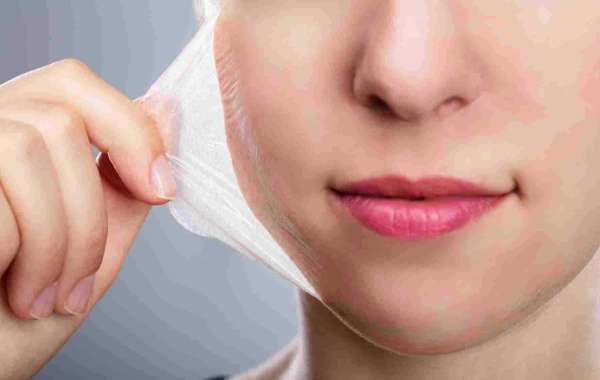

If enlarged pores make your skin look uneven or textured, you may wonder whether Chemical peel treatment in Dubai can make them less noticeable. The answer is often yes—but with an important qualification: chemical peels do not permanently “close” or erase pores. Instead, the right peel can improve the factors that make pores appear larger, including excess oil, clogged follicles, surface buildup, acne, and uneven skin texture.
Why Do Pores Look Enlarged?
Pores are small openings connected to hair follicles and sebaceous glands. Their visible size can vary from person to person and may become more noticeable when excess sebum, dead skin cells, or comedones accumulate around them.
Several factors can contribute to enlarged-looking pores, including oily skin, acne, sun damage, and reduced skin elasticity. When the skin loses firmness, the openings can appear more prominent, while clogged pores may also look wider.
This is why pore appearance is not simply a matter of having naturally “large” pores. Improving oil control, keeping follicles clear, protecting the skin from ultraviolet damage, and improving overall texture can make them appear smaller.
Can Chemical Peels Minimize Pore Appearance?
Chemical peels can help minimize the appearance of enlarged pores, particularly when clogged follicles, excess oil, or uneven surface texture are contributing to the problem. A peel works by applying a controlled chemical solution that exfoliates targeted layers of skin, encouraging the removal of damaged or excess surface cells.
The result is smoother, more even-looking skin. As congestion and surface buildup are reduced, pore openings may become less noticeable.
However, it is important to have realistic expectations. A chemical peel cannot permanently change the anatomical size of a pore. Instead, it addresses some of the conditions that can make pores look larger.
For this reason, chemical peel treatment for enlarged pores is generally most useful as part of a broader skin-care approach rather than as a permanent pore-removal solution.
Which Chemical Peels May Help With Enlarged Pores?
The type of peel matters because different acids work in different ways. A qualified skin professional can select an appropriate formulation based on your skin type, concerns, sensitivity, and treatment goals.
Salicylic Acid Peel for Clogged Pores
Salicylic acid is particularly relevant when enlarged pores are associated with oily or congested skin. It is oil-soluble and has comedolytic properties, meaning it can help loosen material inside blocked follicles.
Because clogged pores can look larger, reducing this congestion may make the skin appear clearer and the pores less prominent. Salicylic acid is also commonly used for acne-prone skin, which makes it a potentially useful choice when enlarged pores and breakouts occur together.
Glycolic Acid Peel for Skin Texture
Glycolic acid is an alpha-hydroxy acid that helps exfoliate the outer layers of the skin. By encouraging the shedding of surface cells, it can improve roughness and uneven texture.
This may create a smoother appearance around the pores. Chemical peeling literature also recognizes glycolic acid as a superficial peeling agent used for acne and skin rejuvenation.
Combination or Customized Peels
Some treatments use combinations of exfoliating ingredients or are adjusted according to the person's skin concerns. For example, someone with oily, congested skin may need a different approach from someone whose pores appear more noticeable because of sun damage or reduced firmness.
The goal should not simply be to use the strongest peel available. The depth and strength of a chemical peel are linked to both potential results and the risk of complications, so treatment should be appropriately selected rather than unnecessarily aggressive.
How Does a Chemical Peel Improve the Look of Pores?
The effect is mainly related to exfoliation, congestion control, and improvements in skin texture.
A superficial peel removes some of the outermost damaged or excess skin cells. Depending on the ingredients used, it can also help reduce follicular plugging and improve conditions associated with acne and comedones.
There are several ways this can influence pore appearance:
- Less surface buildup: Removing excess dead skin can create a smoother skin surface.
- Reduced congestion: Ingredients such as salicylic acid can help loosen material within clogged follicles.
- Improved texture: Exfoliation can make uneven skin look more refined.
- Better-looking acne-prone skin: Reducing comedones can make pores appear less prominent.
- More even skin: Treating surface irregularities can reduce the visual contrast around pores.
Research on superficial chemical peels has particularly examined their use for acne, including comedonal lesions. A systematic review of randomized trials found evidence supporting chemical peels as a treatment option for acne, although results vary depending on the peeling agent and comparison treatment.
What Results Can You Expect From Chemical Peel Treatment?
Pore-related improvement is usually gradual rather than immediate or permanent. After a superficial peel, the skin may initially feel sensitive, tight, or mildly irritated before it becomes smoother.
Repeated treatments may sometimes be recommended because one session may not produce the desired level of improvement. DermNet notes that superficial peels can be repeated when appropriate, with treatment intervals determined according to the type and depth of peel.
It is also important to distinguish between temporary visual improvement and a permanent change in pore structure. If your pores are naturally prominent, treatment can make them less noticeable but cannot completely eliminate them.
Your everyday skin-care habits also influence how noticeable pores remain. Dermatologists recommend non-comedogenic products, appropriate cleansing, acne management when necessary, and daily sun protection because clogged pores and sun-related loss of skin firmness can make pores look more prominent.
Is Chemical Peel Treatment Suitable for Everyone?
Not necessarily. The best peel depends on individual skin characteristics, and darker skin tones require particular care because aggressive chemical treatments can increase the risk of unwanted pigmentation.
DermNet notes that people with Fitzpatrick skin types IV–VI have a higher risk of pigmentary changes and certain scarring complications and therefore require cautious peel selection and appropriate professional assessment. Recent research also highlights that evidence for chemical peels in skin color is promising but that studies involving darker Fitzpatrick skin types remain comparatively limited.
A professional assessment is therefore important before treatment. Factors such as active acne, sensitivity, previous reactions, pigmentation concerns, current skin-care products, and previous procedures may influence whether a particular peel is appropriate.
You should also follow the recommended aftercare carefully. Avoid picking or peeling the skin manually, moisturize as advised, and protect treated skin from sunlight.
Chemical Peel vs. Daily Pore Care
A chemical peel can support pore improvement, but maintaining the result requires consistent skin care. Even after professional exfoliation, pores can become congested again if excess oil and dead skin continue accumulating.
For everyday maintenance, dermatologists recommend:
- Using non-comedogenic skin-care and makeup products.
- Cleansing appropriately without excessively irritating the skin.
- Considering salicylic acid when suitable for oily or acne-prone skin.
- Managing acne rather than allowing persistent congestion to continue.
- Applying broad-spectrum sunscreen every day.
These steps are important because pore appearance is influenced by more than surface dead skin. Oil production, acne, sun exposure, and skin firmness can all play a role.
The Bottom Line: Can Peels Make Pores Look Smaller?
Yes, Chemical peel treatment can help minimize the appearance of enlarged pores, particularly when oiliness, clogged follicles, acne, or rough surface texture are contributing to their visibility. Salicylic acid may be especially useful for congestion, while glycolic acid can help improve surface texture.
However, the goal should be less noticeable pores rather than permanently smaller pores . Results depend on the underlying cause of enlarged-looking pores, the peel selected, skin type, and consistency with aftercare and daily skin care. A qualified professional can determine whether a superficial peel is suitable and which approach best matches your skin.