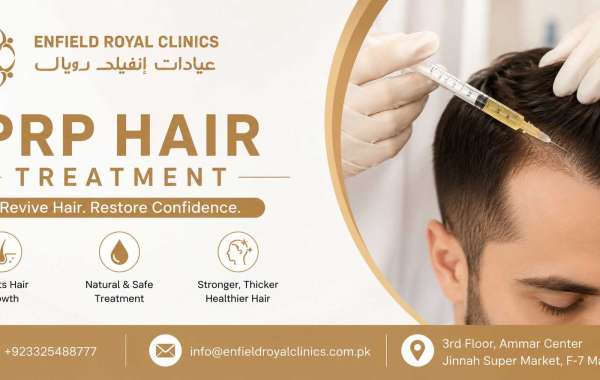

A hair transplant can restore follicles to areas affected by permanent hair loss, but achieving a natural-looking result takes time. After transplantation, the newly placed follicles need to settle, recover, and eventually enter their normal growth cycle. During this period, patients often explore additional treatments that may support follicle health.
PRP Hair Treatment is one option that may be used alongside hair transplantation. PRP, or platelet-rich plasma, is prepared from a small sample of the patient's own blood and contains concentrated platelets with growth factors and other signaling substances.
But can PRP actually make transplanted hair stronger? It may support the environment around transplanted follicles and potentially contribute to improved hair quality in suitable patients. However, it does not guarantee stronger hair and cannot compensate for poor graft quality or improper transplant technique.
What Happens to Hair After Transplantation?
A transplanted follicle needs time to adapt after being moved from the donor area to the recipient area.
The scalp may initially experience redness, swelling, tenderness, and small scabs. These effects generally improve during the early healing period.
It is also common for the visible hair attached to transplanted follicles to shed temporarily. The follicle can remain in the scalp and later begin producing new hair as it progresses through its natural growth cycle.
Because this process takes time, patients should not expect immediate thickness.
What Is PRP?
PRP stands for platelet-rich plasma. It is prepared by collecting a small amount of the patient's blood and processing it to concentrate platelets within the plasma.
Platelets naturally contain growth factors and biological substances involved in tissue repair and cellular communication.
The prepared plasma can be injected into selected areas of the scalp.
When used after a transplant, the purpose is generally to support the surrounding tissue and existing follicles rather than create new follicles.
How Could PRP Support Transplanted Follicles?
PRP may provide biological signals that support the local tissue environment around hair follicles.
This may be relevant during the recovery period because transplanted follicles are adapting to their new location.
Some clinical protocols use PRP during or after transplantation as an adjunctive treatment. The potential goal is to support healing and follicular activity.
However, PRP should be considered a supportive option rather than a guaranteed method for increasing the strength of transplanted hair.
Can It Improve Hair Thickness?
If transplanted follicles respond favorably, PRP may potentially contribute to improvements in hair thickness or the overall appearance of density.
A thicker individual hair shaft can provide better coverage than a very fine strand.
However, hair thickness is influenced by genetics and the characteristics of the transplanted follicles. PRP cannot completely change the biological properties of a follicle.
The quality of the donor hair remains one of the most important factors in the final appearance.
Does PRP Affect the Growth Cycle?
Transplanted follicles naturally move through different phases of growth. Following surgery, some follicles temporarily shed their visible hair before entering a new growth phase.
PRP may be used to support the follicular environment during this process, but it does not eliminate the natural growth cycle.
Patients should therefore be cautious about claims that PRP will make transplanted hair grow immediately or dramatically faster.
New hair growth is gradual, and noticeable changes generally develop over several months.
When Can PRP Be Used?
The timing of PRP after a transplant varies.
The scalp needs time to heal, and newly placed grafts should be protected during the early recovery period. Depending on the treatment protocol, PRP may be administered during the transplant procedure or at a later stage.
Patients should never assume that injections are appropriate immediately after surgery.
The transplant provider should determine when the scalp has recovered sufficiently and whether additional treatment is suitable.
Can PRP Support Existing Native Hair?
A transplant may restore hair to areas where follicles have been permanently lost, but native hair surrounding the transplanted area can continue to thin.
This is particularly relevant for people with genetic pattern hair loss.
PRP may be considered to support these existing follicles when they are still viable. Maintaining native hair can help preserve overall density and reduce a noticeable contrast between transplanted and surrounding hair.
What Factors Determine Hair Strength?
The strength and quality of transplanted hair depend on several factors.
Donor hair quality: Thick, healthy donor follicles generally provide stronger-looking coverage.
Genetics: Natural hair characteristics are strongly influenced by inherited traits.
Surgical technique: Proper graft handling and placement are essential.
Scalp health: A healthy scalp provides a better environment for normal follicular function.
General health: Nutrition, hormones, illness, and other factors can influence hair growth.
PRP is only one possible component of a broader hair restoration plan.
Is PRP Necessary After a Hair Transplant?
No. PRP is not required for every transplant patient.
Some people may recover and achieve satisfactory growth without additional procedures. Others may be offered PRP as an adjunct based on their scalp condition, native hair, or treatment goals.
The decision should be individualized rather than based on the assumption that every transplanted follicle needs PRP.
Are There Any Side Effects?
Because PRP involves injections, temporary reactions can occur. These may include mild tenderness, redness, swelling, sensitivity, or minor bruising.
These effects generally relate to the injection process rather than the transplanted hair itself.
Patients should follow their provider's aftercare instructions and avoid unnecessary rubbing or manipulation of the scalp.
Severe pain, increasing swelling, spreading redness, fever, or unusual discharge should be discussed promptly with a healthcare professional.
Final Thoughts
So, can PRP make transplanted hair stronger? PRP Hair Treatment may support the environment around transplanted follicles and potentially contribute to healthy-looking hair growth, but it cannot guarantee stronger or thicker transplanted hair.
The quality of transplanted hair depends on donor characteristics, genetics, surgical technique, scalp health, and individual growth patterns. PRP may serve as an additional supportive treatment rather than a replacement for these fundamental factors.
Patients should also remember that transplanted hair requires time to mature. A professional evaluation can determine whether PRP is appropriate, when it should be performed, and whether it could complement your individual post-transplant care plan.