
Losing a tooth can affect chewing, speech, appearance, and confidence. For people exploring dental clinic in Dubai options, Dental Implants can offer a fixed solution for replacing missing teeth when a dentist determines that they are suitable. Understanding how implants work, what benefits they offer, and what recovery involves can help patients approach treatment with realistic expectations.
What Are Dental Implants?
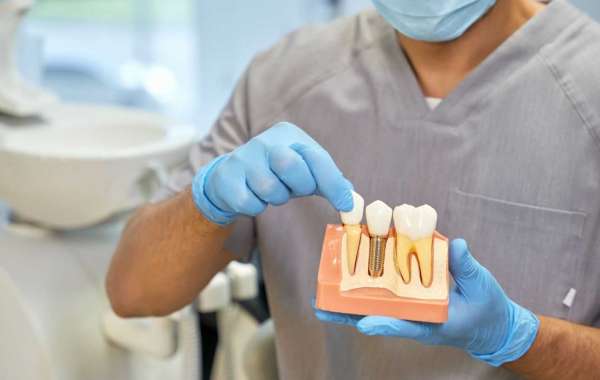
Dental Implants are small artificial tooth roots placed into the jawbone to support replacement teeth. Once the implant has integrated with the surrounding bone, it can provide a stable foundation for a crown, bridge, or other dental restoration.
Unlike removable tooth replacement options, an implant-supported restoration is designed to remain securely in place during normal daily activities.
How Are Dental Implants Placed?
Treatment starts with a dental examination and assessment of the jawbone, gums, and surrounding teeth. Dental imaging may be used to evaluate bone structure and determine the appropriate implant position.
During implant placement, the implant is positioned within the jawbone. The area then requires time to heal and integrate before the final restoration is attached.
Dental clinic in dubai for Implant Treatment
Choosing a qualified Dental clinic in dubai is important when considering implant treatment. Your dentist should evaluate your oral health and discuss your treatment goals before recommending the procedure.
The assessment may consider gum health, bone density, existing dental conditions, bite alignment, and factors that could influence healing.
What Are the Main Benefits of Dental Implants?
One of the key benefits of Dental Implants is their stability. Because they are anchored within the jawbone, they can provide a secure foundation for replacement teeth.
Implants can also help restore chewing function and may provide a natural-looking result when the restoration is carefully designed.
Can Implants Improve Chewing?
Missing teeth can make it difficult to chew certain foods comfortably. A properly restored implant can help restore function in the area of the missing tooth.
However, patients should follow their dentist's recommendations during the healing period before placing normal chewing pressure on the treated area.
Can Dental Implants Preserve Jawbone?
When a natural tooth is lost, the bone around the missing root can gradually change. An implant can provide stimulation to the surrounding bone because it functions as an artificial tooth root.
The amount of bone preservation varies between individuals and depends on factors such as implant placement, oral health, and overall healing.
What If There Is Not Enough Bone?
Some patients may have insufficient bone volume for immediate implant placement. Depending on the location and clinical situation, a dentist may recommend a bone graft or another procedure before implant treatment.
A detailed examination and dental imaging can help determine the available bone structure.
Who Is a Suitable Candidate?
Dental implant candidacy depends on several factors. Patients generally need adequate bone support and healthy oral tissues, while certain health and lifestyle factors may also influence treatment.
A consultation is necessary because suitability cannot be determined from symptoms or appearance alone.
Can Older Adults Get Dental Implants?
Age by itself does not necessarily prevent someone from receiving implants. The dentist will consider overall health, bone condition, gum health, and the ability to maintain good oral hygiene.
A personalized assessment is essential before treatment.
What Is Recovery Like?
Recovery varies depending on the number of implants placed and whether additional procedures are required. Mild swelling, tenderness, or discomfort may occur after surgery.
Following the dentist's instructions regarding eating, cleaning, medication, and physical activity can support the healing process.
How Long Does Implant Healing Take?
The healing period can vary significantly. The implant needs sufficient time to integrate with the jawbone before the final restoration is placed.
Some patients may complete treatment within a few months, while more complex cases can take longer.
How Should You Care for Dental Implants?
Good oral hygiene is essential for protecting both the implant and surrounding tissues. Brush twice daily and clean between the teeth and around the implant using techniques recommended by your dental professional.
Regular dental examinations can help monitor the condition of the implant and surrounding gums.
Can Dental Implants Get Cavities?
The implant itself cannot develop a cavity because it is not natural tooth enamel. However, the surrounding gum tissue and neighboring natural teeth can still develop problems.
Maintaining proper oral hygiene remains important for protecting the entire mouth.
What Can Affect Implant Success?
Several factors can influence the long-term outcome of implant treatment. These include oral hygiene, gum health, bone quality, smoking, certain health conditions, implant placement, and regular professional maintenance.
Following aftercare instructions and attending follow-up appointments can help your dentist monitor healing.
Why Is Gum Health Important?
Healthy gums provide important support around the implant. Inflammation around an implant can affect the surrounding tissues and may require professional treatment.
Regular cleaning and careful daily hygiene can help reduce plaque accumulation around the implant.
Are Dental Implants Permanent?
Dental Implants are designed as a long-term tooth replacement option, but they still require proper maintenance. The implant itself can remain functional for many years, while the crown or other restoration may eventually need repair or replacement.
Individual longevity varies depending on oral hygiene, lifestyle, bone and gum health, and professional care.
How Do Implants Compare With Dentures?
Dentures are removable, while implant-supported restorations can provide fixed support. Implants may offer greater stability for suitable patients, but they require surgical placement and adequate bone support.
Dentures may be appropriate for patients who are not candidates for implants or who prefer a removable option. A dentist can compare both approaches based on your individual needs.
Final Thoughts
Dental Implants can restore missing teeth while providing stability, function, and a natural-looking appearance for suitable patients. Successful treatment involves careful assessment, proper placement, sufficient healing, and consistent long-term maintenance.
If you are considering Dental Implants in Dubai, consult a qualified dental professional for a personalized evaluation. Understanding your bone health, gum condition, treatment timeline, and available alternatives can help you choose the most appropriate tooth replacement approach.