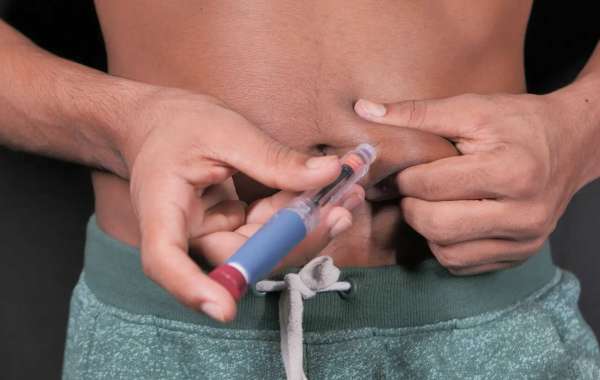

Starting a new treatment can bring hope, but it can also come with questions about your body, progress, and confidence. For people exploring Mounjaro Injections Dubai, understanding what to expect and building supportive habits can make the treatment journey feel more manageable. Mounjaro (tirzepatide) is a prescription medicine used with diet and exercise to improve blood glucose control in people with type 2 diabetes. It is administered once weekly under the skin, with dosing determined by a healthcare professional.
Confidence does not have to depend on a number on the scale or how quickly your body changes. Instead, it can grow from feeling informed, supported, and consistent throughout your healthcare journey.
Understanding What Mounjaro Can Do
Mounjaro contains tirzepatide, which activates both GIP and GLP-1 receptors. Its approved U.S. indication is to improve blood sugar control in adults and children aged 10 years and older with type 2 diabetes, alongside diet and exercise.
Although weight reduction can occur during treatment, individual responses vary. Lilly specifically notes that Mounjaro is not a weight-loss drug under its current U.S. labeling, so expectations should be based on your clinician's treatment goals rather than promises of a particular result.
This distinction is important for confidence. Instead of expecting an overnight transformation, focus on meaningful improvements that your healthcare team can monitor, such as better blood glucose management, healthier routines, improved mobility, or gradual changes in body composition.
Building Confidence Through Healthy Weight Management Habits
If weight management is part of your personal health plan, medication works best as one component of a broader approach. Sustainable habits can help you feel more in control rather than making your progress entirely dependent on weekly changes.
Consider building your routine around:
- Balanced meals: Prioritize nutrient-dense foods and adequate protein while following any dietary guidance provided by your healthcare professional.
- Regular movement: Walking, resistance training, or another suitable activity can support strength and overall fitness.
- Hydration: Drinking enough fluids is particularly important if gastrointestinal symptoms reduce your food or fluid intake.
- Consistent sleep: Good sleep can support energy, daily functioning, and healthy routines.
- Realistic goals: Focus on achievable changes instead of comparing your progress with someone else's experience.
Lilly also emphasizes diet, exercise, and lifestyle support as part of managing type 2 diabetes.
The goal is not to create a perfect routine. It is to establish habits that you can realistically maintain while your treatment plan progresses.
Managing Early Side Effects Without Losing Motivation
Some people experience gastrointestinal effects after beginning Mounjaro. The prescribing information lists nausea, diarrhea, decreased appetite, vomiting, constipation, indigestion, and abdominal pain among the most common adverse reactions.
These symptoms can make the first part of treatment feel less comfortable, but experiencing a side effect does not automatically mean you should stop or change your medication. Your healthcare provider can determine whether symptoms are expected, whether your treatment plan needs adjustment, or whether another issue needs attention.
It can help to keep a simple record of how you feel after each weekly dose. Note significant digestive symptoms, appetite changes, hydration, energy levels, and anything unusual. Sharing this information during follow-up appointments gives your healthcare provider a clearer picture of how you are responding.
Seek prompt medical advice if you develop concerning symptoms. The prescribing information includes warnings about potentially serious problems such as pancreatitis, severe gastrointestinal reactions, gallbladder disease, serious allergic reactions, and dehydration-related kidney injury.
Why Patience Matters During Your Mounjaro Journey
One of the biggest confidence challenges can be expecting progress to happen at the same speed for everyone. Bodies respond differently to medications, lifestyle changes, activity levels, nutrition, and underlying health conditions.
For that reason, avoid using another person's results as a benchmark for your own. A slower response does not necessarily mean that your treatment is failing.
Your clinician may also gradually adjust the dose when appropriate. According to the current U.S. prescribing information, Mounjaro starts at 2.5 mg once weekly, with subsequent dose increases based on the treatment plan and clinical need. Dose changes should be made under professional guidance rather than according to personal expectations.
If you are receiving Mounjaro injections in Dubai, regular communication with your healthcare provider can help you understand your progress and address concerns before they affect your motivation.
Protecting Your Confidence Beyond Physical Changes
Confidence is broader than appearance. Starting treatment can be an opportunity to reconnect with activities and routines that make you feel comfortable in your everyday life.
Rather than checking your weight constantly, consider tracking other signs of progress. You may notice that everyday movement feels easier, clothing fits differently, or you feel more consistent with meals and physical activity.
It can also help to avoid harsh self-judgment. Body changes can affect emotions, and it is normal to have days when you feel impatient or uncertain. Give yourself room to adjust while keeping your attention on the long-term health objectives established with your healthcare professional.
Most importantly, do not change your dose, skip injections, or discontinue treatment simply because progress feels slower than expected. Mounjaro should be used exactly as prescribed, and weekly injections should be administered according to your healthcare provider's instructions.
Making Your Treatment Journey More Sustainable
A sustainable approach combines medical supervision with practical daily habits. Before and during treatment, discuss your medical history, current medications, allergies, and any concerns with your healthcare professional.
Mounjaro has important contraindications and warnings. It should not be used by people with a personal or family history of medullary thyroid carcinoma or by people with Multiple Endocrine Neoplasia syndrome type 2. Serious hypersensitivity to tirzepatide is also a contraindication.
The medicine can also affect gastric emptying and may influence absorption of some oral medications. People taking insulin or insulin secretagogues may have an increased risk of hypoglycemia, while those with a history of diabetic retinopathy may require appropriate monitoring.
If you have a planned procedure involving general anesthesia or deep sedation, tell the medical team that you are taking Mounjaro because delayed gastric emptying may be relevant to anesthesia planning.
Good communication is therefore part of maintaining confidence. Knowing that your treatment is being monitored can make the process feel less uncertain and more purposeful.
Conclusion
Reclaiming your confidence after starting Mounjaro is not about achieving a particular appearance as quickly as possible. It is about understanding your treatment, following professional guidance, developing sustainable health habits, and recognizing progress in more than one form.
If you are considering or already receiving Mounjaro Injections Dubai, work with a qualified healthcare professional to establish realistic goals and monitor your response. With patience and appropriate support, your journey can become an opportunity to build healthier routines and greater confidence in your ability to care for yourself.
Ultimately, Mounjaro Injections treatment should be viewed as part of an individualized medical plan—not a shortcut or a guarantee of a specific outcome.