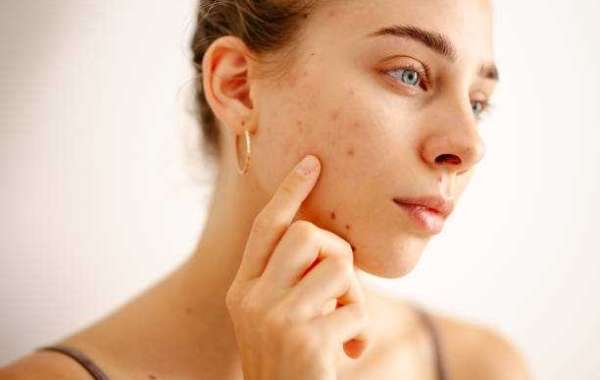

Rolling acne scars are a type of depressed scar that creates a broad, uneven, or wave-like appearance across the skin. They often develop when fibrous bands beneath the skin pull the surface downward, creating gentle depressions that become more visible under certain lighting. For people considering acne scar treatment jeddah, identifying rolling scars correctly is important because their underlying structure can influence which treatment options are most suitable.
Why Rolling Scars Develop
Rolling scars usually form after inflammation damages the deeper skin layers during acne healing. As the skin repairs itself, fibrous tissue can develop underneath the surface and attach to deeper structures. These attachments may pull sections of the skin downward, resulting in the characteristic rolling appearance.
How Rolling Scars Differ From Other Scars
Rolling vs. Boxcar Scars
Boxcar scars generally have more defined edges and a clearer depression, while rolling scars tend to have softer, broader transitions. Because of these differences, the same treatment may not produce identical results for both scar types.
Rolling vs. Ice Pick Scars
Ice pick scars are narrow and deep, whereas rolling scars are typically wider and shallower. Deep ice pick scars may require highly targeted treatment, while rolling scars are often evaluated for underlying tethering.
Subcision for Rolling Scars
Subcision is one of the commonly considered techniques for rolling scars. It involves using a specialized instrument beneath the skin to release fibrous bands that are pulling the scar downward. Once these attachments are released, the depressed area may become less noticeable as the skin gradually remodels.
Microneedling for Rolling Scars
Microneedling creates controlled microscopic injuries in the skin, stimulating the body's natural healing process and collagen production. It may improve mild to moderate rolling scars and overall skin texture. Multiple sessions may be recommended depending on the severity of scarring and individual response.
Laser Resurfacing
Fractional Laser Treatments
Fractional laser treatments create controlled microscopic treatment zones in the skin, encouraging collagen remodeling while leaving surrounding areas untreated. This can support the gradual improvement of uneven texture and selected rolling scars.
Other Laser Approaches
Different laser technologies work at different depths and with varying levels of intensity. The appropriate option depends on factors such as skin tone, scar depth, sensitivity, pigmentation risk, and treatment goals. Professional assessment is essential before selecting a laser procedure.
Chemical Peels for Rolling Scars
Chemical peels can improve superficial skin texture and pigmentation by encouraging skin renewal. However, they generally have limited ability to release the deeper fibrous attachments associated with rolling scars. A peel may sometimes complement another treatment rather than serve as the primary approach for significant rolling scars.
Dermal Fillers for Selected Scars
In some cases, a qualified professional may consider a dermal filler to temporarily raise selected depressed areas and create a smoother surface. Fillers are not suitable for every scar and involve their own considerations, so they should only be discussed following a professional assessment.
Combination Treatment Approaches
Rolling scars may respond particularly well to a carefully planned combination approach because they can involve both underlying tethering and surface texture changes. For example, subcision may address fibrous attachments while microneedling or laser treatment focuses on collagen remodeling and surface irregularities.
Choosing Treatment Based on Scar Severity
Mild Rolling Scars
Milder scars may respond to treatments focused on collagen stimulation and skin renewal. The appropriate procedure depends on skin condition and the depth of the depressions.
Moderate to Deep Rolling Scars
More pronounced rolling scars may require treatment that specifically addresses the tissue beneath the skin. A professional may recommend subcision or a combination approach depending on the scar structure.
How Skin Type Influences Treatment
Skin tone and sensitivity can affect treatment selection. Certain procedures may carry a higher risk of temporary pigmentation changes in some individuals. A qualified provider should assess your skin before treatment and adjust the approach appropriately.
How Many Treatments May Be Needed?
There is no universal number of sessions for rolling scars. Treatment requirements depend on scar severity, chosen procedure, skin response, and treatment goals. Collagen remodeling also takes time, so improvements may continue to develop after each session.
What Results Should You Expect?
The goal of treatment is generally to reduce the visibility of rolling scars and create smoother-looking skin. Complete removal cannot be guaranteed. Results tend to develop gradually as the skin heals and collagen remodeling takes place.
Recovery After Rolling Scar Treatment
Recovery varies according to the procedure. Patients may experience temporary redness, swelling, bruising, sensitivity, or peeling. More intensive treatments may require additional downtime. Following professional aftercare instructions can help support appropriate healing.
Protecting Your Skin After Treatment
Sun protection is particularly important after professional acne scar procedures. Ultraviolet exposure can contribute to pigmentation changes and may make discoloration more noticeable. Follow your provider's recommendations regarding sunscreen and skincare during recovery.
Can Skincare Remove Rolling Scars?
Skincare can support overall skin health and may help improve surface appearance or pigmentation, but it generally cannot release the deeper fibrous bands responsible for many rolling scars. Professional treatment may be needed when structural changes beneath the skin are significant.
Preventing New Rolling Scars
Managing active acne is important for preventing additional scarring. Avoid picking or squeezing breakouts, as this can increase inflammation and tissue damage. If active acne continues, addressing it alongside scar treatment can help protect future skin quality.
Choosing the Right Treatment
When considering Acne Scar Treatment in Riyadh, the best approach should be based on the structure of your rolling scars rather than a generic treatment plan. A qualified professional can evaluate the depth, tethering, skin type, pigmentation, and overall texture before recommending an appropriate treatment or combination of treatments.
Book an Appointment with Royal Clinic Saudia
If rolling acne scars are affecting your skin texture or confidence, Royal Clinic Saudia can provide a personalized skin assessment. Discuss your scar characteristics, previous treatments, skin type, and desired results with the medical team to explore suitable options.
FAQs:
What causes rolling acne scars?
They commonly develop when fibrous tissue beneath the skin pulls the surface downward during healing.
Is subcision suitable for rolling scars?
It may be suitable for scars with underlying fibrous tethering, but professional assessment is necessary.
Can laser treatment improve rolling scars?
Yes. Certain lasers may improve texture and stimulate collagen remodeling.
Can rolling acne scars be completely removed?
Complete removal cannot be guaranteed, but appropriate treatment can make them significantly less noticeable.