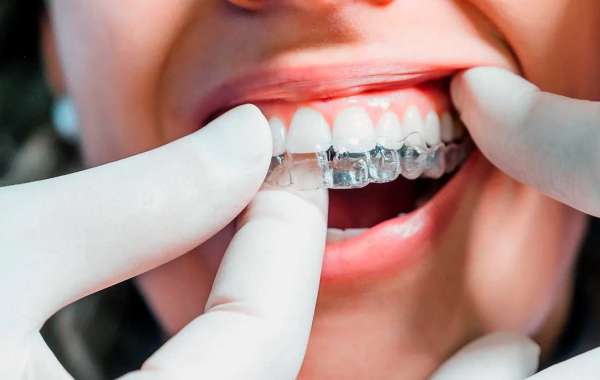

Crowded and misaligned teeth can affect the appearance of a smile as well as everyday oral hygiene. When teeth overlap or sit too closely together, some areas can become difficult to clean properly. Dental Aligners in Dubai can offer a discreet orthodontic option for suitable patients who want to improve certain alignment concerns without traditional fixed braces.
Clear aligners are removable trays designed to guide teeth through planned movements over time. However, treatment is not identical for every patient. The severity of crowding, bite relationship, gum health, tooth position, and overall oral condition all influence whether aligners are appropriate.
What Are Crowded and Misaligned Teeth?
Crowding occurs when there is insufficient space for teeth to align properly within the dental arch. Teeth may overlap, rotate, or appear uneven. Misalignment can also involve spaces, tilted teeth, or certain bite irregularities.
These concerns can develop because of genetics, jaw development, tooth size, early tooth loss, or changes that occur over time.
Why Alignment Matters
Misaligned teeth can make brushing and interdental cleaning more challenging. Certain areas may collect plaque more easily, potentially increasing the risk of cavities or gum problems.
Improving alignment can make some areas easier to access during daily oral hygiene, although good dental care remains important throughout and after orthodontic treatment.
Enfiled Dental clinic for Dental Aligners
Patients considering orthodontic treatment may consult Enfiled Dental clinic for a professional assessment and personalized dental care.
An initial consultation can evaluate tooth position, bite, gum health, existing dental work, and other factors that may influence treatment. A dentist or orthodontic professional can then explain whether clear aligners are suitable for your specific condition.
A proper assessment is important because aligners should be selected according to clinical needs rather than simply because they are discreet.
How Do Dental Aligners Treat Crowding?
Dental aligners are produced as a sequence of custom trays. Each tray is designed to create specific tooth movements according to the treatment plan.
As patients progress through the series, the teeth gradually move toward their planned positions.
Controlled Tooth Movement
The treatment plan determines which teeth need to move, the direction of movement, and the approximate sequence.
Digital scans or other diagnostic information may be used to plan treatment and monitor progress where appropriate.
Can Aligners Treat Mild Crowding?
Clear aligners may be effective for certain mild to moderate crowding cases. The suitability depends on the underlying cause and the amount of movement required.
Some patients may need additional orthodontic procedures before or during aligner treatment.
Why Professional Assessment Matters
Two patients may have teeth that look similarly crowded but require completely different treatment approaches.
A professional examination can identify the underlying alignment and bite issues and determine the most appropriate option.
Can Dental Aligners Improve Spacing?
In suitable cases, aligners can gradually reduce spaces between teeth. Gaps can develop naturally or result from missing teeth, tooth size differences, or other factors.
The treatment plan must consider why the space exists before attempting to close it.
Managing Gaps Carefully
Closing a space without addressing its underlying cause may not provide a stable result. Your dental professional can evaluate the surrounding teeth and gums before creating an orthodontic plan.
Retention after treatment is also important for maintaining the achieved alignment.
Are Dental Aligners Comfortable?
Clear aligners are generally designed to fit closely over the teeth. Some pressure, tightness, or mild temporary discomfort can occur when starting a new set because the trays are intended to guide tooth movement.
Significant or persistent pain should be discussed with your dental provider.
Adjusting to Treatment
Patients may notice a slight change in speech during the initial adjustment period. Most people become more accustomed to wearing the trays as treatment continues.
Following professional instructions can help make each stage easier to manage.
How Long Does Treatment Take?
There is no single treatment duration for everyone. Mild alignment concerns may require fewer stages, while more complex cases can take considerably longer.
The number of teeth involved, required movements, bite correction, patient compliance, and response to treatment can all affect the timeline.
Following the Recommended Schedule
Wearing your aligners as directed is important. Because the trays are removable, patients need to remember to put them back in after eating and cleaning their teeth.
Inconsistent wear can interfere with the planned progression and may extend treatment.
How Should You Care for Dental Aligners?
Keeping aligners clean is important for maintaining good oral hygiene. Rinse them when removed and clean them according to the instructions provided by your dental professional.
Avoid using very hot water unless specifically advised because heat can affect some aligner materials.
Safe Aligner Storage
When your aligners are not being worn, keep them in their protective case. This can help reduce the chance of accidental damage or contamination.
Avoid placing aligners on unclean surfaces or wrapping them in tissues where they may easily be misplaced.
Dental Aligners and Oral Hygiene
Orthodontic treatment requires consistent oral hygiene. Food particles and plaque can become trapped between the teeth and aligner surface if teeth are not cleaned properly.
Brushing and interdental cleaning should remain part of your everyday routine.
Protecting Teeth During Treatment
Regular dental examinations can help monitor the condition of your teeth and gums throughout orthodontic treatment.
If you notice bleeding gums, persistent sensitivity, tooth pain, or unusual discomfort, discuss the symptoms with your dental professional.
Can Adults Use Dental Aligners?
Adults can be suitable candidates for clear aligners when their teeth and gums are healthy and their orthodontic condition can be treated with this approach.
The discreet appearance can make aligners particularly appealing to adults who want to continue working and socializing without highly visible orthodontic appliances.
Aligners for Busy Lifestyles
Because aligners are removable, patients can take them out for meals and regular oral hygiene. However, convenience does not remove the need for consistent treatment compliance.
Patients should follow their prescribed wearing schedule to support planned tooth movement.
Can Teenagers Use Dental Aligners?
Some teenagers may be suitable for aligner treatment depending on their dental development and orthodontic needs.
The patient's ability to follow wearing and cleaning instructions is an important consideration.
Supporting Teen Dental Hygiene
Teenagers should understand that removable aligners require responsibility. They need to clean their teeth regularly, care for their trays, and attend scheduled follow-up appointments.
Parents and dental professionals can provide support when necessary.
Dental Aligners vs Traditional Braces
Traditional braces use brackets and wires attached to the teeth, while clear aligners use removable trays. Both approaches can improve tooth alignment, but their suitability differs according to the case.
Clear aligners may provide a more discreet appearance, while traditional braces can be appropriate for certain complex movements.
Choosing the Right Orthodontic Option
The decision should be based on professional assessment rather than appearance alone.
Your orthodontic provider can explain the advantages, limitations, treatment requirements, and expected outcomes of the available options.
What Happens During an Aligner Consultation?
The first appointment typically involves an assessment of your teeth, gums, bite, and dental history. Depending on the case, photographs, digital scans, or X-rays may be recommended.
This information can help develop an individualized treatment plan.
Discussing Your Treatment Goals
Tell your dental professional what you would like to improve, whether your main concern is crowding, spacing, tooth rotation, or overall smile alignment.
Clear communication helps ensure that treatment goals are realistic and clinically appropriate.
Why Is Retention Important After Treatment?
Teeth can naturally move after orthodontic treatment. Retainers are commonly used to help maintain the position achieved through active alignment.
Without appropriate retention, some degree of movement may occur.
Maintaining Your New Smile
Your dental professional will recommend how and when to wear retainers based on your individual case.
Long-term retention is an important part of maintaining orthodontic results.
What Factors Can Affect Treatment Results?
Treatment results can be influenced by the complexity of the original alignment problem, biological response, oral health, aligner fit, and patient compliance.
Following instructions carefully can support the planned treatment process.
Regular Follow-Up Appointments
Scheduled appointments allow your dental professional to monitor progress and identify whether adjustments are necessary.
Do not change the treatment sequence or skip professional reviews without discussing it with your provider.
Final Thoughts
Crowded and misaligned teeth can affect both smile appearance and oral hygiene. Dental aligners may provide a discreet option for suitable patients, gradually guiding teeth toward planned positions through a series of customized trays.
If you are considering Dental Aligners in Dubai, professional assessment should be your first step. A qualified dental provider can evaluate your alignment, bite, gums, and overall oral health before recommending treatment. With consistent aligner wear, careful oral hygiene, regular follow-up, and proper retention, suitable patients can work toward a straighter and healthier-looking smile.