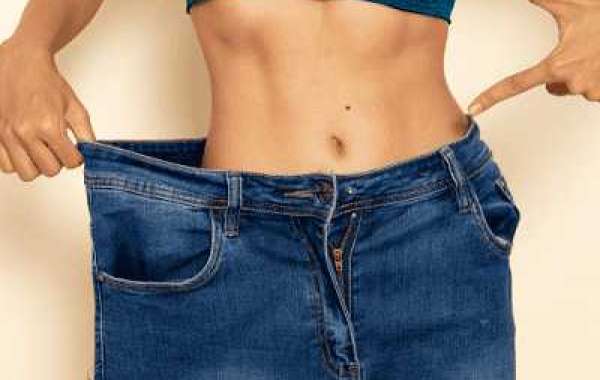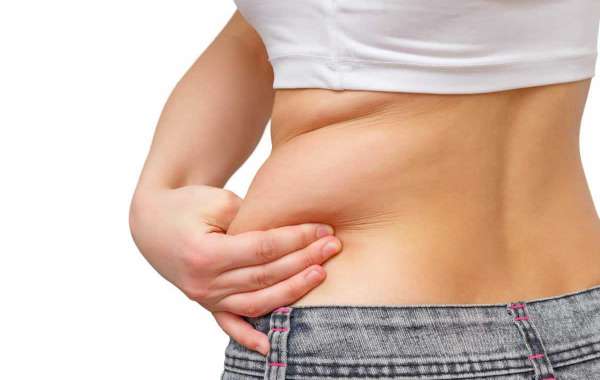

After achieving significant weight loss, many individuals are left with loose, sagging skin and weakened abdominal muscles that cannot be corrected through diet and exercise alone. This is where a Tummy Tuck in Islamabad becomes a popular option. Also known as abdominoplasty, this procedure removes excess skin and fat while tightening the abdominal muscles to create a firmer, more toned appearance. But the question remains: is it truly necessary after weight loss?
Why Loose Skin Remains After Weight Loss
When the body gains weight, the skin stretches to accommodate the increased size. After substantial weight loss, especially rapid or extreme weight loss, the skin may not fully retract. This happens due to:
- Reduced Skin Elasticity: Aging and long-term stretching weaken the skin’s ability to bounce back.
- Amount of Weight Lost: The more weight you lose, the more likely you are to have excess skin.
- Genetics: Some individuals naturally have more elastic skin than others.
- Duration of Obesity: Long periods of being overweight can permanently stretch the skin.
As a result, many individuals experience hanging skin around the abdomen, which can be both a cosmetic and functional concern.
Is a Tummy Tuck Necessary After Weight Loss?
A tummy tuck is not medically necessary for everyone after weight loss, but it may be highly beneficial depending on individual circumstances. It is often recommended if:
- Excess Skin Causes Discomfort
Loose skin can lead to irritation, rashes, and hygiene challenges, particularly in the abdominal folds. - Muscle Separation is Present
Significant weight fluctuations can cause abdominal muscles to weaken or separate, a condition known as diastasis recti. A tummy tuck repairs these muscles, improving both appearance and function. - Aesthetic Goals Are Not Achieved
Even after reaching your target weight, the abdomen may not look firm or toned due to excess skin. Surgery can help complete the transformation. - Clothing Fit is Affected
Loose skin can make it difficult to find well-fitting clothes, affecting confidence and comfort.
Benefits of a Tummy Tuck After Weight Loss
Opting for a tummy tuck can provide several advantages:
- Removal of Excess Skin: Eliminates sagging skin that cannot be improved with exercise.
- Muscle Tightening: Restores strength and tone to the abdominal wall.
- Improved Body Contour: Creates a flatter and more proportionate silhouette.
- Boost in Confidence: Enhances self-esteem and body image after weight loss.
- Long-Lasting Results: With a stable lifestyle, results can be maintained for years.
For many patients, a tummy tuck serves as the final step in their weight loss journey.
When a Tummy Tuck May Not Be Necessary
In some cases, a tummy tuck may not be required:
- If skin laxity is minimal and can improve with non-surgical treatments
- If the patient is still in the process of losing weight
- If there are medical conditions that make surgery risky
- If expectations are unrealistic or primarily focused on weight loss rather than contouring
A consultation with a qualified surgeon can help determine whether surgery is the right choice.
Alternatives to a Tummy Tuck
While a tummy tuck is the most effective solution for significant skin excess, alternatives may be suitable for mild cases:
- Non-Surgical Skin Tightening: Treatments like radiofrequency or ultrasound can improve mild laxity.
- Exercise: Strengthening core muscles can improve tone but will not remove excess skin.
- Liposuction: Removes fat but does not address loose skin or muscle separation.
These options may be helpful but are generally less effective than surgery for moderate to severe concerns.
Important Considerations Before Surgery
Before deciding on a tummy tuck after weight loss, consider the following:
- Stable Weight: You should maintain your target weight for several months before surgery.
- Overall Health: Good physical health reduces surgical risks and promotes better healing.
- Future Plans: Pregnancy or significant weight changes after surgery can affect results.
- Realistic Expectations: A tummy tuck improves contour but does not create perfection or replace weight loss efforts.
Proper planning ensures a safe procedure and satisfying results.
Recovery and Results
Recovery after a tummy tuck requires patience and proper care:
- Initial Healing: Swelling, bruising, and discomfort are common in the first few weeks.
- Activity Restrictions: Avoid heavy lifting and strenuous activity during early recovery.
- Gradual Improvement: Results become more visible as swelling subsides over several months.
With proper post-operative care and a healthy lifestyle, the results can be long-lasting and transformative.
Emotional and Psychological Impact
After weight loss, individuals often expect their bodies to reflect their hard work. Excess skin can sometimes hinder this satisfaction. A tummy tuck can help bridge the gap between weight loss and body confidence, providing a sense of completion and achievement.
However, it is important to approach surgery with realistic expectations and a clear understanding of the process. Emotional readiness is just as important as physical preparation.
Final Thoughts
A tummy tuck after weight loss is not always necessary, but it can be highly beneficial for individuals dealing with excess skin, muscle separation, or dissatisfaction with their abdominal appearance. It serves as a powerful finishing step in the transformation journey, helping patients achieve a firmer, more contoured body.
For expert consultation, safe surgical procedures, and personalized care, SKN Cosmetics is a trusted clinic in Islamabad offering advanced tummy tuck solutions tailored to individual needs and goals.
FAQs
1. Is a tummy tuck required after weight loss?
No, it is not required for everyone, but it is beneficial for those with significant excess skin or muscle separation.
2. Can exercise remove loose skin after weight loss?
No, exercise can tone muscles but cannot eliminate excess skin.
3. When should I consider a tummy tuck after weight loss?
Once your weight is stable and you have maintained it for several months.
4. Are there non-surgical options available?
Yes, but they are generally effective only for mild skin laxity and cannot replace surgery for major concerns.
5. Will the results be permanent?
Yes, as long as you maintain a stable weight and healthy lifestyle.