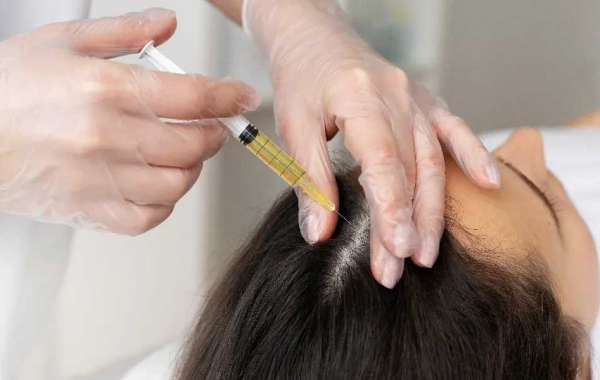

Hair thinning can gradually affect confidence, especially when the scalp becomes more visible or the hairline starts losing density. For people looking for a minimally invasive approach,Best PRP Hair Treatment in Dubai is increasingly considered as an option for supporting hair growth using components derived from the patient’s own blood. Unlike surgical hair restoration, PRP focuses on stimulating existing hair follicles rather than moving follicles from one area to another. Research suggests that platelet-rich plasma may improve hair density in people with androgenetic alopecia, although results can vary between individuals and treatment protocols.
What Is PRP Hair Treatment?
Platelet-rich plasma, commonly called PRP, is prepared from a small sample of the patient’s own blood. The blood is processed to separate platelet-rich plasma from other components, and the concentrated plasma is then injected into areas of the scalp affected by thinning.
Platelets contain growth factors and other biological substances involved in tissue repair. In hair restoration, the goal is to create a supportive environment around weakened follicles and encourage healthier follicular activity.
The American Academy of Dermatology notes that PRP can be used for certain types of hair loss and that some patients experience reduced hair loss followed by increased thickness or regrowth after several months.
How PRP May Help With Hair Thinning
Hair follicles can gradually become smaller and produce finer strands in conditions such as androgenetic alopecia, also known as male or female pattern hair loss. PRP is intended to support these existing follicles rather than create completely new follicles.
Research has found promising results. A 2024 systematic review and meta-analysis of randomized clinical trials found that PRP was associated with increased hair density in people with androgenetic alopecia. However, the researchers also highlighted substantial variation between studies and rated the evidence as low quality because of differences in treatment methods and study quality.
This means PRP should be viewed as a potentially useful treatment rather than a guaranteed cure for every type of hair loss. A proper diagnosis remains important because thinning hair can have many different causes.
Who May Benefit From PRP for Hair Growth?
PRP may be particularly relevant for people experiencing early or moderate thinning where viable hair follicles are still present. It may also be considered when someone wants a minimally invasive option before exploring surgical hair restoration.
A dermatologist or qualified hair-restoration professional can first determine whether the pattern of hair loss is appropriate for PRP. This assessment can help distinguish hereditary thinning from other conditions that may require a different approach.
PRP may be considered for people who:
- Notice gradual thinning or reduced hair density
- Have early-stage pattern hair loss
- Want a minimally invasive hair restoration option
- Still have active but weakened follicles in thinning areas
- Prefer an approach using their own blood-derived material
- Are interested in combining treatments under professional guidance
It is important to remember that PRP is not suitable for every form of hair loss. The American Academy of Dermatology emphasizes that different causes of hair loss can require different treatments and that identifying the cause is an important first step.
What Happens During a PRP Hair Treatment Session?
A PRP session generally begins with drawing a small amount of blood. The sample is placed into a centrifuge or similar processing system to separate the platelet-rich plasma.
Once prepared, the PRP is carefully introduced into selected areas of the scalp. The process is designed to target regions where hair density has decreased or follicles appear weakened.
A typical session may involve several stages:
- Scalp assessment: The treatment area and pattern of hair loss are evaluated.
- Blood collection: A small blood sample is taken from the patient.
- PRP preparation: The sample is processed to concentrate platelets in the plasma.
- Scalp application: The prepared PRP is injected into selected thinning areas.
- Aftercare guidance: The provider explains how to care for the scalp following treatment.
The American Academy of Dermatology describes the injection portion as taking around 10 minutes, although the complete appointment can take longer depending on the clinic's protocol.
Because the treatment uses material derived from the patient's own blood, PRP is often described as an autologous procedure. Temporary tenderness, swelling, or discomfort can occur after injections, so following professional aftercare instructions is important.
PRP Hair Regrowth: When Can You Expect Results?
One of the most important things to understand about PRP hair treatment is that results are not immediate. Hair follicles operate through natural growth cycles, so changes in density generally take time to become noticeable.
The American Academy of Dermatology states that some patients may see less hair loss within a few months, followed by thickening or regrowth. It also notes that repeat treatments are generally needed rather than relying on a single session.
Research supports the possibility of improvement, but outcomes are not identical for everyone. A 2024 meta-analysis involving 14 studies and 431 patients found a significant increase in hair density with PRP compared with placebo, while also noting considerable differences among the studies.
Several factors can influence the outcome, including:
- The underlying cause of hair loss
- How advanced the thinning is
- The condition of the existing follicles
- The PRP preparation method
- Treatment frequency and protocol
- Individual response to treatment
- Whether PRP is combined with another evidence-based approach
For this reason, a realistic treatment plan should focus on gradual improvement rather than promising a specific amount of regrowth.
Why Choosing the Right PRP Approach Matters
Not all PRP treatments are performed in exactly the same way. Research has identified substantial variation in platelet concentration, preparation methods, activation techniques, injection protocols, and treatment schedules. These differences can make it difficult to compare results from one study or clinic directly with another.
When considering a PRP hair treatment, it is useful to ask about the medical assessment, preparation process, treatment protocol, expected timeline, and follow-up plan.
The goal should not simply be to find a procedure advertised as the fastest hair-growth solution. Instead, patients should look for an approach based on an appropriate diagnosis, careful scalp assessment, qualified clinical care, and realistic expectations.
Evidence also suggests that PRP may sometimes be used alongside other treatments. For example, a 2024 systematic review and meta-analysis found that combining PRP with topical minoxidil produced greater improvements in hair density than minoxidil alone in the studies analyzed, although the researchers noted limitations and risk of bias in several trials.
This does not mean everyone should combine treatments. A qualified professional should determine whether another therapy is appropriate based on the individual's condition and medical history.
Is PRP a Natural Option for Thinning Hair?
For many people, the appeal of PRP comes from its use of the patient's own blood rather than a synthetic filler or transplanted donor hair. The treatment works with the existing scalp environment and aims to support follicles that may still be capable of producing hair.
However, "natural" should not be confused with "guaranteed" or "risk-free." PRP is a medical procedure involving blood collection and scalp injections, and its suitability should be determined by a qualified professional.
Current evidence is encouraging but not definitive. A systematic review published in 2024 found potential benefits for male androgenetic alopecia, while also noting low-quality evidence, moderate risk of bias, and substantial differences between studies.
That balanced perspective is important for anyone researching PRP hair regrowth. The treatment may help selected patients, but the expected outcome depends heavily on the cause and stage of hair loss.
Conclusion
Thinning hair does not always have to mean immediately turning to surgical restoration. PRP offers a minimally invasive approach designed to support existing hair follicles, and research indicates that it may increase hair density in people with androgenetic alopecia.
If you are considering Best PRP Hair Treatment, start with a professional assessment to identify the cause of thinning and determine whether PRP is appropriate for you. With realistic expectations, an individualized treatment plan, and proper follow-up, PRP may become a useful part of a broader strategy for healthier-looking, fuller hair.