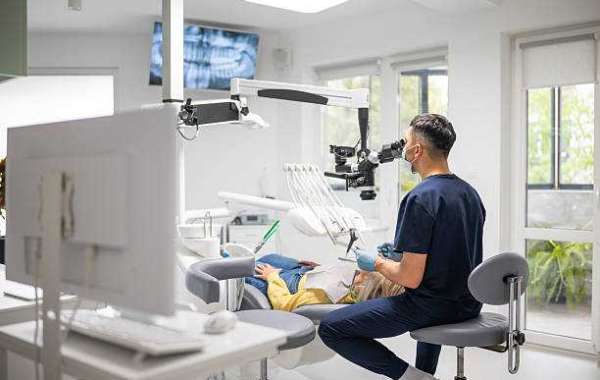

If you are considering Dental Implants in Dubai, understanding each stage of the procedure can help you feel more prepared. Dental implants are designed to replace the root of a missing tooth and provide support for a dental restoration such as a crown.
The process usually involves an initial dental assessment, personalized planning, implant placement, a healing period, and the attachment of a final restoration. The exact steps can vary depending on your oral health, jawbone condition, number of missing teeth, and individual dental requirements.
What Happens During the Initial Consultation?
The process begins with a detailed examination of your mouth. Your dentist will assess the missing-tooth area, surrounding teeth, gums, bite, and jawbone.
Dental X-rays or digital imaging may be used to evaluate bone structure and determine the most suitable position for the implant.
This consultation is also an opportunity to discuss your concerns, expectations, restoration options, recovery, and long-term care.
Choosing the Right Dental Clinic
Selecting a trusted Dental Clinic is an important part of planning implant care. An experienced dental professional can determine whether an implant-supported restoration is suitable for your individual situation.
Your dentist will consider factors such as bone availability, gum health, tooth position, bite, and overall oral condition.
A detailed plan helps ensure that each stage is considered before the procedure begins.
Is Additional Dental Preparation Necessary?
Not every patient can proceed directly to implant placement. Existing cavities, gum problems, or insufficient bone support may need to be addressed first.
If there is inadequate bone, your dentist may discuss a bone graft or another preparatory procedure.
The need for additional care depends on your individual anatomy and dental condition, so a professional assessment is essential.
How Is the Implant Placed?
During implant placement, the implant fixture is positioned into the jawbone using appropriate dental techniques and anesthesia.
The fixture functions as an artificial tooth root and provides a foundation for the future restoration.
After placement, the area needs time to heal so that the implant can integrate with the surrounding bone.
What Is the Healing Process?
The healing period is an important part of the implant process. During this stage, the implant gradually becomes integrated with the jawbone.
Some patients may experience temporary tenderness, swelling, or sensitivity after placement.
Your dentist will provide specific aftercare instructions and monitor your progress during follow-up visits.
What Is Osseointegration?
Osseointegration is the process in which the implant becomes integrated with the surrounding jawbone. This helps provide the stability needed for the final dental restoration.
The time required for this process varies between patients. Factors such as bone quality, implant location, individual healing, and additional procedures can influence the timeline.
Your dental professional will determine when the implant is ready for the next stage.
When Is the Dental Crown Placed?
Once the implant has healed sufficiently, the restoration stage can begin. An abutment may be connected to the implant to support the dental crown.
The crown is customized to fit the space created by the missing tooth and complement the surrounding teeth.
Your dentist may consider the crown's shade, shape, size, and bite when planning the final restoration.
Can the Procedure Replace Multiple Teeth?
Dental implants can sometimes be used to replace multiple missing teeth. Depending on your situation, implants may support individual crowns, a bridge, or another suitable restoration.
The number of implants required depends on factors such as bone support, the position of the missing teeth, bite, and the planned restoration.
Your dentist can explain the most suitable option after completing your assessment.
Is Implant Placement Painful?
Dental anesthesia is used during implant placement to help maintain comfort throughout the procedure.
Some temporary discomfort, tenderness, or swelling may occur afterward as the area heals.
Your dental professional will provide appropriate aftercare guidance. If you experience unusual or persistent symptoms, contact your dental team for evaluation.
What Should You Eat After the Procedure?
Your dentist may recommend softer foods during the early recovery period. This can make eating more comfortable and help prevent unnecessary pressure on the implant area.
The specific dietary instructions depend on the procedure performed and the location of the implant.
Follow the recommendations provided by your dental professional during recovery.
How Should You Care for the Implant?
Good oral hygiene is important throughout the implant process and after the final restoration is placed.
Brush carefully around the restoration and gumline, and clean between the teeth using a method recommended by your dental professional.
Regular dental examinations can also help monitor the implant, gums, restoration, and surrounding teeth.
How Long Does the Complete Process Take?
The complete timeline differs from one patient to another. Some people may require additional preparation before implant placement, while others may have a more straightforward process.
The healing period and bone integration are also important factors before the final restoration can be attached.
Your dentist can provide a personalized estimate after evaluating your oral health and treatment plan.
Why Are Follow-Up Visits Important?
Follow-up visits allow your dentist to monitor healing and check the implant and surrounding tissues.
Your dental professional can also evaluate the restoration, bite, gums, and neighboring teeth once the final crown is placed.
Regular appointments remain important even after the implant feels comfortable and functions normally.
What Happens After the Final Restoration?
Once the final restoration is attached, the implant can provide stable support for the replacement tooth. However, ongoing care remains necessary.
Good oral hygiene and regular dental checkups can help maintain the health of the implant and surrounding tissues.
Your dentist may also recommend specific cleaning tools or techniques based on your restoration.
Final Thoughts
The dental implant procedure generally involves consultation, detailed planning, implant placement, healing, bone integration, and restoration. Understanding these stages can help patients know what to expect and prepare for the process.
Choosing a trusted Dental Clinic, maintaining good oral hygiene, attending follow-up appointments, and following professional recommendations can support the long-term health of your implant and restoration. A personalized consultation can determine whether this treatment approach is suitable for your smile and dental needs.