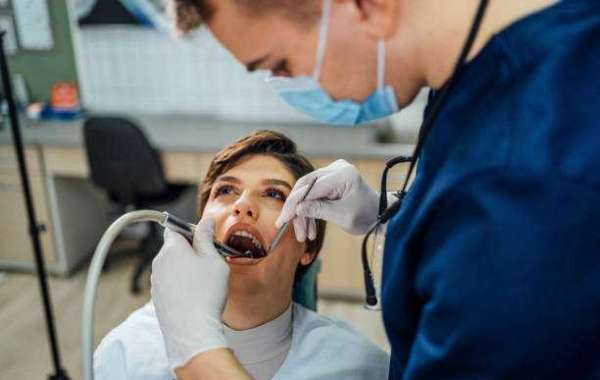

If you are considering Root Canal Treatment in Dubai, you may be concerned about whether the procedure will hurt. This is a common question, especially for patients who have already experienced tooth pain or dental sensitivity.
Modern dental techniques and local anesthesia are used to help make the procedure comfortable. The treatment itself is designed to address the damaged or infected pulp inside the tooth, which can often be responsible for significant pain.
Why Do Patients Worry About Pain?
The idea of working inside a tooth can naturally make some patients nervous. Previous unpleasant dental experiences may also increase anxiety about a root canal procedure.
However, the procedure is performed using local anesthesia to numb the affected area. Your dentist will also monitor your comfort throughout the appointment.
Understanding the different stages can make the experience feel more predictable.
Choosing the Right Dental Clinic
Choosing a trusted Dental Clinic is important when you are concerned about dental pain or nervous about a procedure.
A professional dental team can explain what will happen, discuss your concerns, and take appropriate steps to help you remain comfortable.
Your dentist can also assess whether root canal care is necessary after examining the tooth.
What Happens Before the Procedure?
Before starting, your dentist will examine the affected tooth and review your symptoms. Dental X-rays may be taken to understand the root structure and surrounding tissues.
Once the diagnosis is confirmed, local anesthesia is administered to numb the area.
The dentist then checks the area before beginning the procedure.
What Does Local Anesthesia Do?
Local anesthesia temporarily blocks sensation in the treatment area. This helps reduce discomfort while the dentist works inside the tooth.
You may notice pressure, vibration, or movement during certain stages, but you should not normally experience sharp pain.
If you feel uncomfortable during the procedure, tell your dentist so they can address your concern.
What Happens During Root Canal Care?
The dentist creates an opening in the tooth to access the affected pulp. The inflamed or infected tissue is removed, and the root canals are carefully cleaned and shaped.
The canals are then filled and sealed to help prevent bacteria from entering the treated space again.
The tooth is subsequently restored according to its condition.
Can the Procedure Relieve Existing Pain?
An infected or inflamed pulp can cause persistent toothache, sensitivity, and discomfort when chewing.
By removing the affected pulp and cleaning the internal canals, root canal care addresses the source of the internal problem.
As the tooth and surrounding tissues recover, the original symptoms may improve.
Is There Pain After the Procedure?
Some patients experience temporary tenderness or sensitivity after root canal care.
This can be particularly noticeable when biting or applying pressure to the treated tooth.
Your dentist can recommend appropriate aftercare based on your individual situation. If pain is severe, worsening, or accompanied by significant swelling, contact your dental professional.
How Long Can Tenderness Last?
The duration of tenderness varies between patients. Some people experience little discomfort, while others may notice sensitivity for several days.
The condition of the tooth, extent of infection, and complexity of the procedure can influence recovery.
Following your dentist's instructions can help support the healing process.
Can Anxiety Make Dental Care Feel Harder?
Dental anxiety can make any procedure feel more stressful. Discussing your concerns with your dentist before treatment can help you understand what to expect.
Knowing the steps involved and having a clear opportunity to communicate during the appointment can provide reassurance.
A calm and supportive dental environment can also make the experience easier.
Will You Need a Dental Crown?
A tooth that has undergone root canal care may need additional protection, especially if a large amount of tooth structure has been lost.
A dental crown can cover the remaining tooth and help restore its shape and function.
Your dentist will determine whether a crown is appropriate based on the tooth's location and structural condition.
What Should You Avoid Afterward?
If your mouth remains numb, be careful while eating to avoid biting your cheek or tongue.
If a temporary restoration has been placed, your dentist may advise you to avoid hard or sticky foods until the permanent restoration is completed.
Avoid using your teeth to bite extremely hard objects.
How Can You Care for the Tooth?
Continue brushing twice daily and cleaning between your teeth.
Good oral hygiene helps control plaque and supports the health of your teeth and gums.
Regular dental examinations are also important for monitoring the treated tooth and its restoration.
When Should You Contact Your Dentist?
Some tenderness can be normal after root canal care, but severe or persistent pain should be evaluated.
You should also contact your dentist if you develop significant swelling, a damaged restoration, or another unexpected symptom.
Prompt assessment can help identify the cause and determine whether additional care is needed.
Can Root Canal Care Prevent Extraction?
When the tooth has enough healthy structure to be restored, root canal care may help preserve it instead of removing it.
The procedure removes the affected pulp while keeping the remaining natural tooth structure.
Preserving the natural tooth can help maintain chewing function and the position of surrounding teeth.
Final Thoughts
Root canal care does not necessarily mean experiencing severe pain. Local anesthesia and modern dental techniques are used to help make the procedure comfortable, while temporary tenderness may occur during recovery.
Choosing a trusted Dental Clinic, discussing your concerns with your dentist, following aftercare instructions, and maintaining good oral hygiene can make the overall experience easier to manage. A personalized consultation can determine whether this treatment approach is suitable for your dental needs.