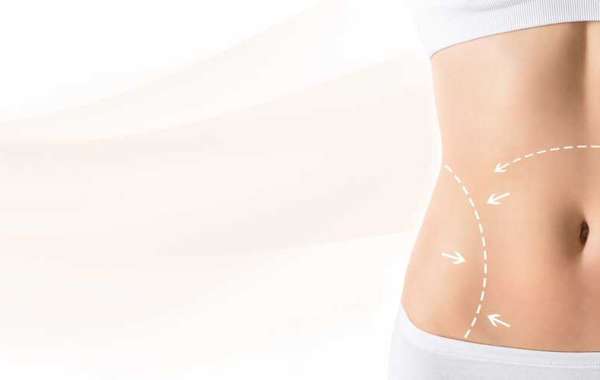

A flatter and firmer abdomen can be difficult to achieve when excess skin or stretched abdominal tissues remain after pregnancy, significant weight loss, aging, or major changes in body weight. Tummy Tuck in Dubai is a surgical body contouring procedure that focuses on improving the abdominal profile by addressing loose skin and, when appropriate, weakened or separated abdominal muscles.
Understanding how abdominoplasty is performed can help you know what to expect before making a treatment decision. The exact technique depends on your anatomy, the amount of excess tissue, and the results you hope to achieve.
What Happens During Tummy Tuck Surgery?
A tummy tuck generally involves several stages rather than simply removing abdominal skin. The procedure may include creating an incision, separating the skin from the underlying tissues, addressing abdominal wall laxity, removing excess skin, repositioning the remaining tissue, and closing the incision.
The surgical plan is personalized because not everyone has the same degree of loose skin or abdominal muscle separation.
Creating the Incision
For a standard abdominoplasty, an incision is generally positioned low across the abdomen. The placement is planned with the goal of allowing the resulting scar to be concealed beneath underwear or swimwear when possible.
The length and shape of the incision can vary according to the amount and location of excess skin. People with more extensive tissue extending toward the flanks may require a different approach.
Removing Excess Skin
After the incision is made, the abdominal skin is carefully separated from the underlying tissues. Excess lower abdominal skin and fat can then be removed, allowing the remaining tissue to be repositioned for a smoother abdominal contour.
This part of the procedure is particularly relevant for people whose skin has lost elasticity following pregnancy or substantial weight reduction.
Addressing Abdominal Muscle Separation
In some patients, pregnancy or substantial changes in the abdominal wall can contribute to muscle separation or laxity. When this is present, the abdominal fascia may be tightened as part of abdominoplasty to improve the abdominal wall contour and support.
Not every person requires muscle repair, so this aspect of treatment is determined during individual assessment.
What Happens to the Belly Button?
During a full tummy tuck, the belly button usually remains attached to its underlying tissue while the surrounding abdominal skin is repositioned. A new opening is then created in the repositioned skin so that the navel can be brought through into an appropriate position.
This helps maintain a natural relationship between the navel and the newly contoured abdomen.
Different Tummy Tuck Approaches
The appropriate technique depends on the location and amount of excess skin and the condition of the abdominal wall.
Full Tummy Tuck
A full abdominoplasty generally addresses a larger portion of the abdomen and may include excess skin removal, abdominal wall tightening, and repositioning of the belly button. It is commonly considered when loose tissue extends across a significant part of the abdominal area.
Extended Tummy Tuck
An extended abdominoplasty can be considered when excess skin and tissue extend beyond the front of the abdomen toward the flanks and sides of the waist. The incision and tissue removal extend farther around the body than with a standard approach.
Mini Tummy Tuck
A mini tummy tuck is generally designed for more limited concerns involving the lower abdomen. Whether this approach is appropriate depends on the individual's skin laxity, abdominal wall condition, and treatment goals.
Can Liposuction Be Combined With Abdominoplasty?
In some cases, liposuction may be combined with abdominoplasty to further refine the abdomen, waist, or flanks. This combination is sometimes called lipoabdominoplasty.
However, liposuction and a tummy tuck address different concerns. Liposuction primarily targets localized fat, while abdominoplasty focuses on excess skin and may address abdominal wall laxity. The combination should therefore be considered only when it suits the individual's anatomy and treatment plan.
What Happens After the Surgery?
Following Tummy Tuck in Dubai, the abdominal area may be covered with dressings or supported with a compression garment. Temporary drains may also be used to help manage fluid accumulation during the early healing period.
Early movement is generally encouraged as part of postoperative care, while strenuous exercise and heavy lifting are restricted during the initial healing period. Recovery time varies according to the extent of surgery and whether additional procedures are performed.
Swelling and tightness are common during recovery, and the final contour may take time to become apparent.
What Results Can You Expect?
The objective of abdominoplasty is to create a smoother and firmer abdominal profile. However, the final appearance does not develop immediately because swelling and internal healing can temporarily affect the contour.
Maintaining a stable weight can help preserve the improvement over time. Significant future weight changes or pregnancy may alter the abdominal contour again.
Understanding the Risks
As with any major surgical procedure, abdominoplasty has potential risks. These can include bleeding, infection, fluid accumulation, changes in skin sensation, wound-healing problems, scarring, blood clots, and the possibility of revision surgery.
A detailed preoperative assessment and following postoperative instructions are important parts of reducing avoidable complications and supporting recovery.
Is Tummy Tuck Right for You?
A tummy tuck is highly individualized. People who are physically healthy, at a relatively stable weight, do not smoke, and have realistic expectations may be potential candidates. The procedure is not intended to replace weight loss or regular exercise.
A consultation can help determine whether excess skin, abdominal wall laxity, localized fat, or another concern is primarily responsible for the appearance of the abdomen.
Final Thoughts
Tummy Tuck in Dubai involves more than removing excess abdominal skin. Depending on individual needs, the procedure may reshape the abdominal contour, remove loose tissue, address abdominal wall laxity, and reposition the belly button. Understanding each stage can make it easier to approach treatment with realistic expectations. TAJMEELS CLINIC can be considered when researching personalized abdominoplasty options and planning your next step.
More Information
Tajmeels Clinic Dubai
WhatsApp: +971 56 203 8751
Phone: tel:+971 43739000
Social Media: