
Starting a new prescription medicine can bring a mixture of curiosity, excitement, and uncertainty. For someone beginning Mounjaro Injection, the first week is often when the most questions arise: What should be expected after the first dose? When might side effects appear? Should eating habits change? And what should someone do if a dose is missed?
Mounjaro (tirzepatide) is a prescription medicine used with diet and exercise to improve blood glucose in people with type 2 diabetes. It works through two hormone pathways, GIP and GLP-1, that help regulate blood sugar. Current U.S. prescribing information recommends beginning treatment at a low dose and increasing it gradually when appropriate.
The first week is not necessarily about seeing dramatic results. Instead, it is generally a period of becoming familiar with the injection routine, understanding how the body responds, and learning how to manage possible digestive symptoms. The following guide explains what a person may experience and when professional medical advice is important.
What Is Mounjaro Injection and How Does It Work?
Mounjaro contains tirzepatide, an injectable medicine that activates both GIP and GLP-1 receptors. These pathways are involved in blood glucose regulation and other metabolic processes. Mounjaro is administered as a subcutaneous injection, meaning it is injected under the skin rather than into a vein or muscle.
For adults with type 2 diabetes, the FDA-approved starting dose is typically 2.5 mg once weekly for four weeks, followed by an increase to 5 mg when appropriate. Further increases may be considered at intervals of at least four weeks depending on treatment goals and tolerability. The starting dose is intended to help the body adjust and is not the dose used for ongoing blood-sugar control.
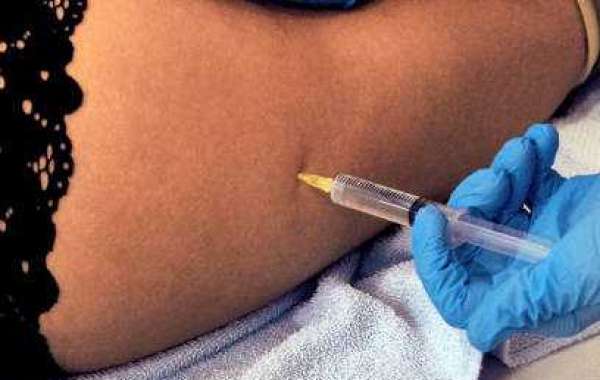
Mounjaro can be taken at any time of day, with or without food. The injection is generally given in the abdomen or thigh, while the back of the upper arm should be injected by another person. Injection sites should be rotated from week to week.
Because Mounjaro is a prescription treatment, the exact dose and schedule should always follow the instructions provided by the prescribing healthcare professional.
The First Mounjaro Injection: What to Expect
Before the first injection, a person should receive appropriate instructions on how to use the prescribed device. The official instructions recommend checking the medicine and pen before use, washing the hands, and following the specific Instructions for Use supplied with the medication.
The injection itself is usually quick. Some people notice little more than a brief pinch, while others may experience mild tenderness at the injection site.
After the first dose, there may be no obvious sensation or immediate change. That does not necessarily mean the medicine is not working. Mounjaro is designed as a once-weekly treatment, and treatment response develops over time rather than being judged by how someone feels immediately after the first injection.
The first week can therefore be viewed as an adjustment period. A person may begin noticing changes in appetite, digestion, or blood glucose, but individual experiences can vary considerably.
Keeping the injection day consistent can make treatment easier to remember. If a dose needs to be changed to another day, the manufacturer's patient information advises leaving at least 72 hours between doses.
Common Mounjaro Side Effects During the First Week
Digestive symptoms are among the most commonly reported side effects of Mounjaro. These can include nausea, diarrhea, decreased appetite, vomiting, constipation, indigestion, and abdominal pain.
Not everyone experiences these effects, and their intensity can vary.
Nausea is one of the symptoms people may notice during the early stages of treatment. Eating smaller portions and avoiding very large or heavy meals may make meals more comfortable for some individuals. Eating slowly can also be useful, particularly if appetite changes occur.
Reduced appetite may also become noticeable. Since Mounjaro can affect appetite and digestion, a person may feel satisfied sooner than usual. Instead of forcing large meals, it can be helpful to focus on balanced, nutrient-rich foods and adequate fluid intake.
Constipation or diarrhea can also occur. Hydration becomes particularly important if vomiting or diarrhea is present because significant fluid loss can contribute to dehydration. The prescribing information warns that gastrointestinal reactions can sometimes become severe and may contribute to kidney problems through fluid depletion.
Persistent or severe symptoms should not simply be dismissed as a normal part of treatment. A healthcare professional should be contacted if symptoms are concerning, prolonged, or interfering with eating and drinking.
How to Make the First Week More Comfortable
A thoughtful routine can make the first week with Mounjaro Injection easier.
One useful approach is to keep meals simple and moderate in size. Extremely large meals may feel uncomfortable if appetite and digestion have changed. Foods that are highly greasy, very rich, or difficult to digest may also be less appealing during periods of nausea.
Hydration is another important consideration. Regular fluid intake can be particularly valuable if nausea, vomiting, constipation, or diarrhea occurs. If vomiting or diarrhea becomes significant or persistent, medical advice is important because dehydration can become a concern.
It can also help to keep a simple record during the first week. A person might note:
- The date and time of the injection
- Appetite changes
- Digestive symptoms
- Blood glucose readings, when monitoring is part of the treatment plan
- Any unusual symptoms
- Other medicines taken around the same period
This information can make conversations with a healthcare professional more productive, especially if a dose adjustment or additional guidance is needed.
Mounjaro should also be stored and handled according to its official instructions. The medication should be protected from light and should not be frozen.
When Should Someone Seek Medical Advice?
Most early side effects are digestive and may be manageable, but certain symptoms require prompt medical attention.
Severe or persistent abdominal pain deserves particular attention. Mounjaro has been associated with acute pancreatitis, and the prescribing information identifies severe abdominal pain that may radiate toward the back, sometimes with nausea or vomiting, as a symptom requiring medical evaluation.
Serious allergic reactions are another concern. Swelling, breathing difficulty, or other symptoms suggesting a severe hypersensitivity reaction require urgent medical attention.
Mounjaro also carries a boxed warning related to thyroid C-cell tumors observed in animal studies. It is not known whether this risk applies to humans, but the medicine is contraindicated for people with a personal or family history of medullary thyroid carcinoma or with Multiple Endocrine Neoplasia syndrome type 2. A neck lump, persistent hoarseness, difficulty swallowing, or breathing difficulty should be discussed promptly with a healthcare professional.
People using insulin or certain diabetes medicines called insulin secretagogues may have a higher risk of hypoglycemia when Mounjaro is used alongside them. Anyone taking these medicines should follow their healthcare professional's instructions for monitoring and managing low blood sugar.
Pregnancy, planned pregnancy, breastfeeding, significant stomach problems, pancreatic conditions, diabetic eye disease, and upcoming surgery or deep sedation should also be discussed with a healthcare professional before or during treatment.
What Happens After the First Week?
The second, third, and fourth weeks are generally about establishing a consistent routine rather than rushing toward a higher dose.
The FDA-approved dosing schedule starts Mounjaro at 2.5 mg once weekly for four weeks before increasing to 5 mg when appropriate. Further dose increases are considered only after spending at least four weeks on the current dose.
This gradual approach is important because the body needs time to adjust. A person should not increase the dose independently because a stronger dose is not automatically better or more effective for every individual.
Over time, healthcare professionals may assess blood glucose, treatment response, side effects, other medications, and overall health before deciding whether the treatment plan should change.
It is also worth remembering that Mounjaro is only one part of diabetes management. Diet, physical activity, blood glucose monitoring when recommended, sleep, and adherence to other prescribed medicines can all contribute to overall treatment outcomes.
The goal during the first week is therefore not perfection. It is learning the routine, paying attention to the body's response, and knowing when to ask for help.
FAQs About Mounjaro Injection
1. What should someone expect after the first Mounjaro Injection?
There may be little noticeable change immediately after the first injection. Some people experience reduced appetite or digestive symptoms such as nausea, diarrhea, constipation, vomiting, or abdominal discomfort. Others may experience few or no noticeable side effects. Individual responses differ, so the first week should not be used to judge the entire treatment experience.
2. Is Mounjaro Injection taken every day?
No. Mounjaro is administered once weekly, according to the prescribed treatment schedule. It can generally be taken at any time of day, with or without meals. Injection sites should be rotated.
3. What is the usual starting dose of Mounjaro?
The FDA-approved starting dose is 2.5 mg once weekly for four weeks in the applicable adult dosing schedule. The dose is then typically increased to 5 mg once weekly, with later increases made only when appropriate and after sufficient time on the current dose.
4. What foods should be avoided during the first week?
There is not one universal list of foods that every person must avoid. However, if nausea or digestive discomfort occurs, smaller meals and less heavy or greasy foods may be easier to tolerate. Maintaining adequate fluid intake is also important, particularly when gastrointestinal symptoms occur.
5. What happens if a Mounjaro dose is missed?
According to the manufacturer's patient information, a missed dose can be taken within four days, or 96 hours, after the scheduled dose. If more than four days have passed, the missed dose should be skipped and the next dose taken on the regular schedule. Two doses should not be taken within three days of each other.
6. Can Mounjaro be used without medical supervision?
Mounjaro is a prescription medicine and should be used according to a healthcare professional's instructions. Appropriate supervision is especially important because other diabetes medicines, medical conditions, pregnancy, planned procedures, and certain medication interactions can affect treatment decisions.
The first week with Mounjaro Injection is best approached as a period of adjustment and observation. Rather than expecting dramatic changes immediately, a person can focus on using the medication correctly, maintaining a sensible eating and hydration routine, monitoring relevant symptoms, and following the prescribed schedule. Any severe or persistent reaction should be discussed promptly with a healthcare professional.
This article is for general educational purposes and does not replace individualized medical advice, diagnosis, or the prescribing information supplied with Mounjaro.
Read More About Mounjaro Injection: https://xtiles.app/6a9e66f21e8a3329710dae46