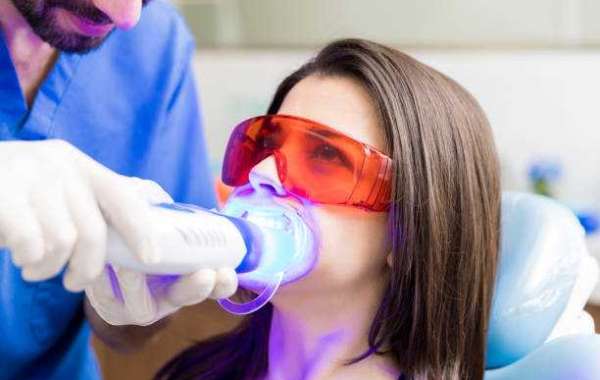

Tooth extraction is sometimes recommended when a tooth is severely damaged, infected, or creating problems for the surrounding teeth and gums. Patients considering Tooth Extraction in Dubai should understand that removing a problematic tooth can sometimes protect overall oral health when other restorative options are no longer suitable.
Although dentists generally aim to preserve natural teeth whenever possible, keeping an unhealthy tooth may sometimes lead to additional complications. A professional dental examination can determine whether extraction is appropriate or whether another treatment could save the tooth.
Removing a Source of Infection
A severely infected tooth can become a continuing source of bacteria and inflammation. Depending on the condition of the tooth, root canal treatment may be able to eliminate the infection while preserving the natural structure.
However, when a tooth is too damaged to restore successfully, extraction may be recommended. Removing the affected tooth can help address the immediate source of the problem and allow the surrounding tissues to begin healing.
Preventing Further Dental Damage
A badly decayed or fractured tooth can sometimes affect neighboring teeth. Sharp or broken areas may irritate the tongue, cheeks, or gums, while advanced infection can affect nearby tissues.
Removing a tooth that cannot be restored may prevent further local damage. Your dentist will evaluate the condition of the surrounding teeth before recommending treatment.
Dental Clinic: Protecting Your Overall Oral Health
A professional Dental Clinic can assess whether extraction is necessary and determine the best approach for your individual condition. The dentist may examine your gums, bite, tooth structure, and surrounding bone and use dental X-rays when additional information is needed.
A detailed evaluation is important because extraction should not be considered the first option when a tooth can be predictably restored. Your dentist can explain alternatives such as fillings, crowns, root canal treatment, or other restorative procedures when appropriate.
Supporting Healthy Gums
An unhealthy tooth can contribute to irritation and inflammation around the gums. When a tooth is severely damaged or loose because of advanced gum disease, removing it may sometimes be necessary to improve the condition of the surrounding area.
After extraction, maintaining good oral hygiene is essential. Gentle brushing, appropriate cleaning techniques, and regular dental checkups can help protect the remaining teeth and gums.
Caring for the Extraction Site
After tooth removal, a blood clot normally forms inside the extraction socket. This clot protects the underlying tissues and supports the early stages of healing.
Patients should avoid disturbing the area with their fingers or tongue. Vigorous rinsing, forceful spitting, smoking, and other activities that can interfere with the blood clot may increase the risk of complications.
Following your dentist's post-extraction instructions is one of the most effective ways to support proper healing.
Maintaining Good Oral Hygiene
Good oral hygiene remains important after an extraction, but the healing area should be treated gently. The remaining teeth should continue to be brushed regularly to reduce plaque buildup.
Your dentist may recommend a specific rinsing routine once the initial healing period has passed. It is important to follow professional instructions rather than applying products directly to the extraction socket without guidance.
Keeping the mouth clean can support healthier gums and reduce the risk of additional dental problems.
Replacing a Missing Tooth
Depending on its location, an extracted tooth may eventually need to be replaced. Leaving a missing tooth without appropriate evaluation can affect chewing and may allow neighboring teeth to shift over time.
A dentist may discuss options such as dental implants, bridges, or removable restorations. The most suitable choice depends on your oral health, available bone, bite, and personal needs.
Dental implants are one option that can replace the root and visible portion of a missing tooth, while bridges can use neighboring teeth to support a replacement tooth.
Recognizing Possible Complications
Most extractions heal normally, but patients should remain aware of symptoms that require professional attention. Increasing pain, persistent bleeding, significant swelling, fever, unusual discharge, or a persistent unpleasant taste may indicate a complication.
Dry socket is another possible concern when the protective blood clot is lost or breaks down too early. Contacting your dentist when unusual symptoms develop can help ensure timely assessment and treatment.
Protecting Your Remaining Teeth
Removing one problematic tooth does not replace the need for regular dental care. The remaining teeth should continue to receive appropriate brushing, flossing, professional cleanings, and routine examinations.
A balanced diet and good daily oral hygiene can also contribute to healthier teeth and gums. Addressing small dental problems early may help reduce the likelihood of needing more complex treatment in the future.
Final Thoughts
Tooth removal can sometimes play an important role in protecting oral health when a tooth is severely damaged, infected, or impossible to restore. Careful evaluation allows your dentist to determine whether extraction is necessary and how it fits into your overall treatment plan.
When properly planned and followed by appropriate aftercare, Tooth Extraction can help address a problematic tooth while supporting the health of the surrounding mouth and remaining teeth.