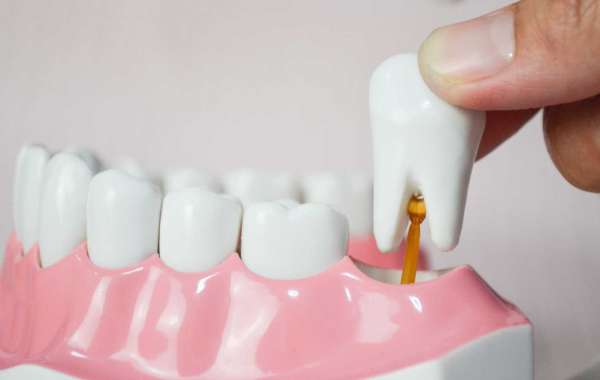

After Tooth Extraction , your mouth needs time to heal and rebuild the tissues around the treated area. The first few hours are especially important because a blood clot develops inside the extraction socket and helps protect the underlying bone and nerves. Knowing what to expect after treatment can make recovery more comfortable and help you recognize when professional dental advice may be needed.
For patients looking for professional guidance, Enfield Dental Clinic Dubai can provide information about dental procedures, recovery expectations, and appropriate follow-up care. Every extraction is different, so your dentist may give specific instructions depending on the location of the tooth, the complexity of the procedure, and your individual oral health.
What Happens Immediately After Tooth Extraction?
Once the tooth has been removed, the dentist places appropriate pressure or gauze over the area to help control bleeding. A blood clot usually begins forming in the socket soon afterward.
Some bleeding or blood-tinged saliva can be normal during the first part of recovery. Following your dentist's instructions carefully can help protect the developing clot and encourage proper healing.
Why the Blood Clot Matters
The blood clot acts as a natural protective covering over the extraction site. It supports the early stages of tissue repair and helps protect the bone and nerves underneath.
For this reason, patients should avoid unnecessarily touching or disturbing the extraction area. Forceful rinsing or activities that create strong suction can potentially interfere with the clot.
Is Pain Normal After Extraction?
Some soreness is expected after a tooth has been removed. The level of discomfort depends on factors such as the type of extraction, the tooth's position, and the condition of the surrounding tissues.
Pain may be more noticeable once the local anesthetic wears off. Your dentist may recommend appropriate pain-management measures based on your circumstances. Taking medication only as directed is important.
If discomfort becomes significantly worse rather than gradually improving, contacting your dentist is advisable.
Managing Swelling During Recovery
Swelling can occur following dental extraction, particularly after a surgical procedure. It may become more noticeable during the first couple of days before gradually improving.
Applying a cold compress externally for short periods may help manage early swelling. Patients should follow their dentist's specific instructions because recommendations can vary depending on the procedure.
Persistent or increasingly severe swelling should not be ignored, especially if it occurs with fever, difficulty swallowing, or other concerning symptoms.
What Can You Eat After Treatment?
Choosing appropriate foods can make the first few days easier. Soft foods that require little chewing are generally more comfortable while the extraction area begins healing.
Foods should be prepared at a comfortable temperature, and patients should avoid placing unnecessary pressure on the treated area. As healing progresses, you can gradually return to your usual diet according to your dentist's advice.
Hard, crunchy, very spicy, or excessively hot foods may irritate the extraction site during the early recovery period.
Maintaining Oral Hygiene
Keeping the mouth clean remains important after extraction, but the treated area needs special care. You should follow your dentist's instructions regarding brushing near the extraction site and when to begin gentle rinsing.
Good oral hygiene helps reduce the buildup of bacteria around the mouth. However, aggressive brushing directly over a fresh extraction socket can disturb healing tissues.
Continue cleaning the rest of your teeth carefully while giving the extraction site the protection it needs.
Activities to Avoid During Recovery
Certain activities can interfere with normal healing. Smoking and tobacco use are particularly concerning because they can negatively affect the healing process and increase the risk of complications.
Patients may also be advised to avoid strenuous physical activity for a period of time, particularly after a surgical extraction. Your dentist can provide individualized guidance based on the procedure performed.
Following these precautions can reduce unnecessary irritation and support recovery.
How long does healing take?
Healing varies considerably depending on the tooth removed and the complexity of the procedure. The gum tissue gradually closes and the extraction socket continues remodeling beneath the surface.
A simple extraction may feel considerably better within several days, while more complicated procedures can require a longer recovery period. Complete healing of the underlying tissues and bone takes longer than the initial improvement in soreness.
Regular follow-up, when recommended, allows your dentist to check that healing is progressing appropriately.
What is a dry socket?
One possible complication after an extraction is a condition commonly called dry socket. It can occur when the protective blood clot becomes dislodged or breaks down too early.
Instead of gradually improving, pain may become stronger several days after the extraction. The discomfort can sometimes radiate towards the ear, temple, or jaw.
If you experience increasing pain after initially feeling better, contact your dentist. Professional treatment can help manage the symptoms and support recovery.
When Should You Contact Your Dentist?
Most patients recover without serious problems, but certain symptoms require professional attention. Contact your dental provider if you experience persistent heavy bleeding, severe or worsening pain, significant swelling, fever, haze, difficulty breathing, or difficulty swallowing.
It is better to have unusual symptoms evaluated rather than assuming they are a normal part of healing.
Planning for the Missing Tooth
Once healing is complete, your dentist may discuss whether the extracted tooth should be replaced. Depending on its location and your dental needs, possible options can include dental implants, bridges, or removable prostheses.
Replacing a missing tooth may help restore chewing function and maintain the overall balance of your bite. Your dentist can determine the most appropriate option after evaluating the healed area.
Final Thoughts
Knowing what happens after Tooth Extraction can help you prepare for recovery and take better care of the treated area. Protecting the blood clot, maintaining appropriate oral hygiene, following dietary recommendations, and attending follow-up appointments can all contribute to a smoother healing process. If symptoms become severe or unusual, professional dental advice should be sought promptly.