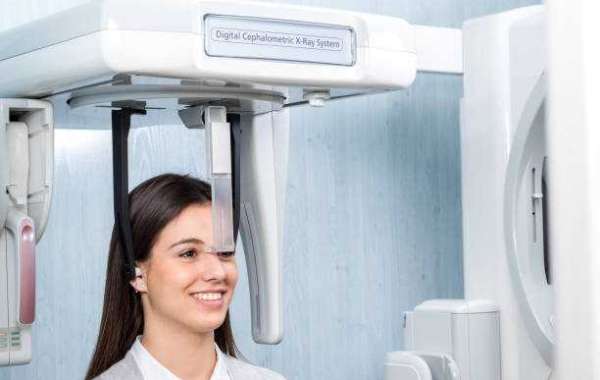

A Dental CBCT Scan in Dubai can play an important role in planning dental implant treatment by providing detailed three-dimensional images of the teeth, jawbone, nerves, and surrounding structures. Before an implant is placed, the dentist needs to understand the condition and shape of the jawbone as well as the location of important anatomical structures.
Unlike a conventional dental X-ray, which produces a two-dimensional image, CBCT technology allows the dental professional to examine the proposed implant area from different angles. This additional information can support a more personalized and carefully planned procedure.
What Can CBCT Show Before Implant Placement?
Dental implant planning requires more than simply looking at the missing tooth. The dentist must assess the underlying bone and determine whether it can adequately support an implant. CBCT imaging can provide information about bone height, width, and volume.
The scan can also show the position of nearby teeth, nerves, and other anatomical structures. Having this information before treatment can help the dentist understand the available space and identify factors that may affect implant placement.
A detailed assessment can be especially helpful when the implant site has experienced bone loss or when the anatomy is more complex.
Dental Clinic: Using CBCT for Implant Planning
A Dental Clinic may recommend CBCT imaging before implant treatment when three-dimensional information is necessary. The dentist can use the images to assess the proposed implant location and create a treatment plan based on the patient's individual oral anatomy.
The scan may help determine whether there is sufficient bone for implant placement or whether additional procedures should be considered first. In some cases, bone grafting or other preparatory treatment may be discussed depending on the condition of the implant site.
The goal is to gather enough information before treatment so the dental team can approach the procedure with a clear understanding of the area.
Assessing Jawbone Density and Volume
The condition of the jawbone is an important consideration in implant dentistry. After tooth loss, the bone surrounding the missing tooth can gradually change in shape and volume. This may affect the available space for an implant.
CBCT imaging provides a three-dimensional view that can help the dentist assess the available bone more comprehensively. The information can be used alongside the clinical examination to determine whether the implant site appears suitable for treatment.
If the available bone is insufficient, the dentist may discuss alternative options or procedures designed to improve the implant site before placement.
Locating Important Anatomical Structures
The jaw contains important anatomical structures, including nerves and sinus spaces. Identifying their location is essential when planning implant treatment.
A CBCT scan can help the dentist visualize these structures in relation to the proposed implant site. For lower jaw implants, for example, understanding the position of the inferior alveolar nerve can be important. In the upper jaw, the relationship between the implant area and the maxillary sinus may also need to be assessed.
This information can contribute to a more carefully planned implant procedure.
How Does CBCT Improve Implant Treatment Planning?
Three-dimensional imaging allows the dentist to examine the implant site from multiple perspectives. This can make it easier to evaluate bone dimensions and understand the spatial relationship between the proposed implant and surrounding structures.
CBCT images may also assist with selecting an appropriate implant position, size, and treatment approach. The exact planning process depends on the patient's anatomy, the number of missing teeth, and the type of restoration being considered.
By reviewing detailed images before treatment, the dental team can identify relevant anatomical considerations in advance.
CBCT for Multiple Dental Implants
Patients who need more than one dental implant may benefit from detailed imaging when treatment involves several areas of the jaw. A CBCT scan can provide an overall view of the relevant dental structures and help the dentist evaluate each proposed implant site.
This can be particularly useful when several missing teeth have affected the available bone or when implants need to be positioned in relation to one another.
Three-dimensional information can support a coordinated treatment plan and help the dental team understand the relationship between the planned implants and existing anatomical structures.
Is CBCT Necessary for Every Implant Patient?
Although CBCT can be valuable for implant planning, it is not automatically required for every patient. The dentist determines whether advanced imaging is appropriate based on the clinical examination, existing dental X-rays, treatment complexity, and the information needed for planning.
Because CBCT uses X-rays, the scan should be recommended when its diagnostic benefits justify the additional radiation exposure. The dentist can explain why the imaging is needed and how the results will contribute to the proposed treatment.
Patients should feel comfortable discussing any concerns before undergoing the scan.
What Happens After the CBCT Scan?
After the scan is completed, the dentist reviews the three-dimensional images and evaluates the implant site in detail. The findings are considered together with the patient's oral examination, dental history, and other relevant diagnostic information.
The dentist can then discuss the condition of the jawbone, available treatment options, and any additional procedures that may be appropriate before implant placement.
This step allows treatment planning to be based on a more complete understanding of the patient's individual anatomy.
Supporting Successful Implant Planning
Careful planning is an important part of dental implant treatment. By showing the jawbone, nerves, teeth, and surrounding structures in three dimensions, CBCT imaging can provide valuable information before an implant procedure.
When clinically appropriate, a Dental CBCT Scan can help the dentist evaluate the implant site and develop a treatment plan suited to the patient's specific dental needs.