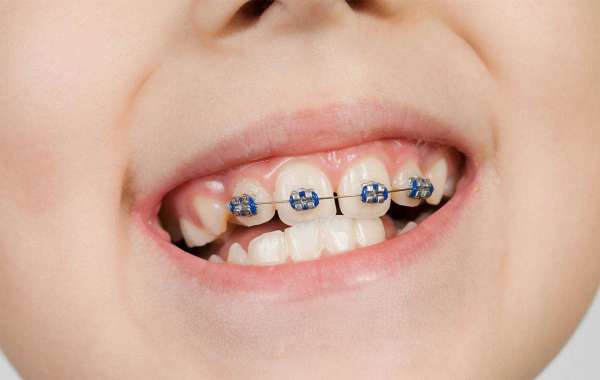

Crooked teeth can affect the appearance of a smile and may sometimes make everyday oral hygiene more difficult. Dental Braces are a common orthodontic treatment used to gradually move teeth into better positions. With carefully controlled pressure and regular professional monitoring, braces can improve alignment and help create a more balanced smile.
Choosing professional dental care is an important part of the process. Enfield Dental Clinic Dubai can assess your teeth and bite, identify alignment concerns, and discuss suitable orthodontic treatment options based on your individual needs.
Why Do Teeth Become Crooked?
Teeth can become crooked for several reasons. Genetics, jaw size, childhood habits, tooth loss, and differences in tooth size can all influence how teeth develop.
In some people, there may not be enough space for all the teeth to grow correctly. This can result in overlapping, rotation, or teeth appearing at unusual angles.
Other patients may have sufficient space but still develop individual teeth that are misaligned. An orthodontic examination can help determine the underlying alignment concern.
How Braces Move Crooked Teeth
Braces work by applying controlled forces to the teeth over time. Traditional braces generally consist of brackets attached to the teeth and wires that connect the brackets.
The wire provides gentle pressure that encourages teeth to gradually change position. Orthodontic treatment is carefully monitored because teeth should move progressively rather than all at once.
As treatment continues, adjustments may be made to the orthodontic components to guide the teeth toward their planned positions.
Gradual Tooth Movement
The gradual nature of orthodontic treatment is important. Teeth are supported by surrounding tissues, so moving them safely requires time.
The treatment duration varies depending on how crooked the teeth are, the patient's age, the condition of the supporting tissues, and whether other bite problems are present.
Can Braces Correct Different Types of Crooked Teeth?
Orthodontic treatment can address many different alignment concerns. Some teeth may be rotated, while others may overlap or lean toward neighboring teeth.
Braces can be used to guide appropriately selected teeth into improved positions. The exact movement required depends on the patient's dental structure and treatment goals.
Overlapping Teeth
Overlapping teeth can occur when the dental arch does not provide enough room. These teeth may be harder to clean because some surfaces are partially hidden.
Improving their alignment can make daily brushing and flossing more manageable while creating a more even appearance.
Rotated Teeth
Sometimes a tooth grows in a rotated position rather than facing the same direction as neighboring teeth. Orthodontic treatment can gradually work to correct the rotation when appropriate.
The orthodontist carefully plans the movement to achieve a stable and functional result.
Benefits of Correcting Crooked Teeth
Straightening crooked teeth can provide several potential benefits. One of the most noticeable is an improved smile appearance.
Better alignment may also make certain areas of the mouth easier to clean. When teeth overlap significantly, plaque and food particles can become trapped in difficult-to-reach spaces.
Correcting alignment may therefore support easier oral hygiene while also improving the overall balance of the smile.
Braces and Bite Alignment
Crooked teeth can sometimes occur alongside bite problems. The upper and lower teeth may not meet evenly when the mouth closes.
Depending on the specific condition, orthodontic treatment may help improve both tooth alignment and the way the teeth come together.
A balanced bite can support comfortable chewing and may help distribute pressure more evenly across the teeth.
Taking Care of Crooked Teeth During Treatment
Patients should maintain excellent oral hygiene while wearing braces. Brackets and wires can provide additional areas where plaque can accumulate.
Brush carefully around the brackets and along the gumline. Flossing should also remain part of your daily routine. Interdental brushes or other orthodontic cleaning tools may be useful when recommended.
Regular dental checkups are also important for monitoring the health of the teeth and gums throughout treatment.
Foods to Consider During Braces Treatment
Certain foods can increase the risk of damaging orthodontic appliances. Very hard, sticky, or chewy foods may place excessive pressure on brackets and wires.
Following your orthodontist's dietary recommendations can help protect the braces. Patients should also avoid using their teeth to bite very hard objects, as this can damage both the teeth and orthodontic components.
If a bracket becomes loose or a wire breaks, contacting your dental provider is the safest approach.
How Long Does It Take to Straighten Teeth?
There is no standard treatment time for every patient. Minor alignment concerns may be corrected relatively quickly, while significant crowding or complex bite problems can require a longer treatment period.
Regular appointments allow the dental professional to monitor tooth movement and make necessary adjustments.
Following instructions, maintaining good oral hygiene, and attending scheduled appointments can help keep treatment on track.
Maintaining Results After Braces
Once active orthodontic treatment is complete, maintaining the new tooth positions is important. Teeth can naturally move over time, which is why retainers are commonly recommended.
A retainer helps support the corrected alignment and can reduce unwanted tooth movement. Patients should follow their dental professional's instructions regarding retainer use.
Continuing regular brushing, flossing, and dental checkups also helps protect the final result.
When Should You Consider Orthodontic Treatment?
If you notice crooked, crowded, rotated, or overlapping teeth, an orthodontic consultation can help determine whether treatment would be beneficial.
It is not necessary to wait until the alignment problem becomes severe. A professional examination can identify existing concerns and explain possible treatment options.
Orthodontic care is available for children, teenagers, and adults, although the recommended approach can vary according to age and individual dental development.
Final Thoughts
Crooked teeth can affect both smile appearance and everyday oral care, but professional orthodontic treatment can gradually improve their position. Dental Braces use controlled forces to guide teeth toward better alignment and can also help address certain bite concerns. With proper treatment planning, good oral hygiene, regular appointments, and appropriate aftercare, patients can work toward a straighter, healthier, and more confident smile.