
Industrial cleaning often involves more than removing everyday dirt. Heavy grease, oil, mud, dust, grime, and built-up deposits can be difficult to clean with ordinary equipment. This is where powerful pressure cleaning technology becomes essential. Industrial pressure washers are designed to deliver the high-pressure water flow needed for demanding commercial and industrial cleaning applications. From workshops and factories to construction sites, mining operations, agriculture, and fleet maintenance, the right machine can make difficult cleaning jobs faster, more efficient, and more manageable.
What Are Industrial Pressure Washers?
Industrial pressure washers are heavy-duty cleaning machines developed for demanding environments and frequent use. Unlike basic domestic pressure cleaners, industrial models are designed around higher performance, durability, longer operating periods, and application-specific requirements.
The performance of a pressure washer is generally determined by two key specifications: pressure, measured in PSI or bar, and water flow, measured in litres per minute (L/PM). A machine with the right combination of pressure and flow can remove stubborn contaminants efficiently without unnecessarily increasing cleaning time.
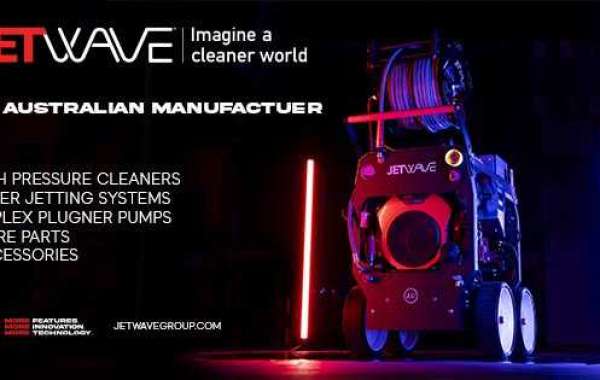
For example, Jetwave's range includes industrial continuous-use machines with specifications such as 3,000 PSI and 21 L/PM, as well as models reaching significantly higher pressure levels.
Why Choose an Industrial Pressure Washer?
Choosing the right equipment can have a noticeable impact on workplace productivity. A suitable industrial machine provides more than strong water pressure—it gives operators a practical way to tackle repetitive and difficult cleaning tasks.
Key advantages include:
- Powerful cleaning performance: High-pressure water can break down stubborn dirt and deposits.
- Improved productivity: Large or contaminated surfaces can be cleaned more quickly.
- Heavy-duty construction: Industrial equipment is designed for demanding working environments.
- Versatility: Different machines and accessories can be selected for specific applications.
- Professional results: Consistent pressure and flow help produce more uniform cleaning.
- Long-term value: Durable equipment can provide reliable service when properly maintained.
The best choice depends on what you are cleaning, how frequently the equipment will be used, and the type of contamination involved.
Electric, Petrol or Diesel: Which Is Better?
Industrial pressure washers are available with different power sources, and each option has its own advantages.
Electric Pressure Washers
Electric models are well suited to workshops, factories, warehouses, manufacturing facilities, and other locations where a suitable electrical supply is available.
They can provide:
- Consistent performance
- Lower operating noise
- Convenient indoor operation
- Reduced exhaust emissions
- Reliable continuous-use capability on suitable models
Jetwave's product range includes three-phase electric industrial machines designed for continuous use, including cold-water and hot-water configurations.
Petrol Pressure Washers
Petrol-powered machines are useful when mobility and independence from fixed electrical power are important. They can be particularly practical for construction, agriculture, mobile cleaning, civil works, and outdoor applications.
Diesel Pressure Washers
Diesel-powered equipment can be appropriate for demanding environments where robust performance and extended outdoor operation are priorities. The right choice ultimately depends on the working environment, available power, required mobility, and cleaning workload.
Cold Water vs Hot Water Pressure Cleaning
Not every cleaning job requires heated water. Cold-water pressure washers are highly effective for removing loose dirt, mud, dust, and many general contaminants.
Hot-water machines, however, can provide additional cleaning benefits when dealing with substances such as:
- Oil
- Grease
- Heavy industrial grime
- Food-related residues
- Certain oils and contaminants
Jetwave offers high-pressure cleaner configurations across cold-water and hot-water categories, including electric, petrol, and diesel options.
The important point is to match the machine to the contamination rather than simply choosing the highest-pressure model available.
Common Industrial Applications
Industrial pressure washers can be used across a wide range of sectors. Their flexibility makes them valuable wherever equipment, machinery, vehicles, infrastructure, or large surfaces require regular cleaning.
Manufacturing and Workshops
Factories and mechanical workshops can use high-pressure cleaning equipment to remove grease, dirt, metal residues, and general industrial contamination from machinery and work areas.
Construction
Construction sites often deal with mud, concrete residue, dust, and accumulated debris. A powerful pressure cleaner can help clean equipment, vehicles, tools, and site surfaces.
Mining
Mining environments can place particularly demanding requirements on cleaning equipment. Heavy-duty machines may be used for machinery, vehicles, components, and work areas where significant contamination builds up.
Agriculture
Farm machinery, tractors, trailers, sheds, and equipment can accumulate soil, mud, organic material, and other debris. Pressure cleaning provides an efficient way to maintain equipment and working areas.
Commercial and Facility Maintenance
Shopping centres, warehouses, commercial properties, councils, and maintenance contractors can use professional pressure washers for outdoor surfaces, pathways, buildings, equipment, and general maintenance.
What Should You Look for Before Buying?
Buying an industrial pressure washer should be based on the actual job rather than price alone. Consider the following factors before making a decision:
1. Pressure and flow rate
Higher PSI is not automatically better. Consider both pressure and L/PM to determine the machine's overall cleaning capability.
2. Duty cycle
If the machine will operate for extended periods, look for equipment specifically designed for continuous or heavy-duty use.
3. Power source
Choose electric, petrol, or diesel according to your working environment and available power.
4. Hot or cold water
Identify whether your cleaning applications involve grease, oil, or other contaminants that may benefit from heated water.
5. Mobility
Trolley, skid, stationary, and trailer configurations offer different levels of portability and convenience.
6. Accessories
Hoses, lances, nozzles, surface cleaners, reels, and other accessories can significantly influence how efficiently a machine performs a particular task.
Maintenance Matters
Even the best industrial pressure washer requires regular maintenance. Proper servicing can help maintain performance and reduce avoidable downtime.
A basic maintenance routine may include:
- Checking hoses and fittings regularly
- Inspecting nozzles for wear
- Checking oil and fluid levels where applicable
- Keeping filters clean
- Inspecting pumps and connections
- Following the manufacturer's service recommendations
- Storing equipment correctly after use
Operators should also follow safety instructions and use appropriate personal protective equipment when working with high-pressure water.
Why Equipment Design Makes a Difference
Industrial cleaning is not simply about maximum pressure. Good equipment design can improve usability, reliability, and operator efficiency. Features such as robust frames, accessible components, practical hose management, appropriate controls, and purpose-built configurations can make a difference during everyday work.
Jetwave's G2 range, for example, incorporates design innovations such as a stainless-steel exoskeleton and offers configurations ranging from portable equipment to heavy-duty trailer-mounted systems.
This approach highlights an important principle: professional cleaning equipment should be designed around the operator and the application—not just the headline pressure rating.
Choosing the Right Machine for Your Business
Before purchasing, think about the jobs your team performs most frequently. A contractor cleaning vehicles may have different requirements from a mining operation, factory, farm, or municipal maintenance team.
Ask yourself:
- How many hours will the machine operate each day?
- What contaminants need to be removed?
- Is hot water necessary?
- Will the machine be used indoors or outdoors?
- Is electricity readily available?
- How much water flow is required?
- Does the equipment need to be mobile?
- Which accessories will improve productivity?
Answering these questions makes it easier to narrow down the right specification and avoid paying for features that your operation does not actually need.
Conclusion: Choosing the Right Industrial Pressure Washers with jetwave group
Investing in the right industrial pressure washer can improve cleaning efficiency, reduce manual effort, and help businesses maintain equipment and working environments more effectively. The ideal machine should match the application, operating frequency, contamination type, power availability, and mobility requirements.
For businesses looking for professional high-pressure cleaning equipment, jetwave group offers a broad range of high-pressure cleaners, water jetting systems, professional vacuum cleaners, accessories, and spare parts for different applications. Its current range includes industrial continuous-use electric machines as well as petrol-powered professional equipment and hot-water configurations.
Ultimately, the best pressure washer is not necessarily the machine with the highest PSI. It is the machine that delivers the right combination of pressure, water flow, power, durability, configuration, and accessories for the work you actually perform.