
For people struggling with small, stubborn pockets of fat that do not respond easily to diet and exercise, non-surgical body contouring treatments can seem like an appealing option. Among these treatments, fat melting injections have gained attention for their potential to reduce localized fat without surgery or lengthy recovery periods.
Fat Melting Injections in Oman are increasingly considered by individuals interested in targeted body contouring. However, these injections are not designed as a replacement for healthy eating, regular physical activity, or comprehensive weight-management plans. Instead, they may be considered for specific areas where localized fat remains despite an otherwise healthy lifestyle.
Understanding how the treatment works, who may be suitable, what results can realistically be expected, and what factors should be considered before treatment can help individuals make informed decisions.
What Are Fat Melting Injections?
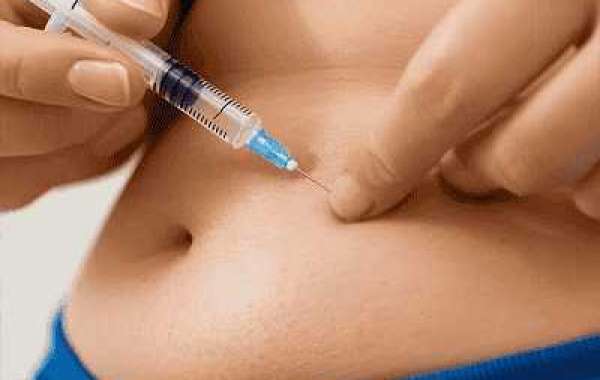
Fat melting injections are injectable treatments intended to reduce localized areas of unwanted fat. Depending on the specific formulation used, the active ingredients may work by disrupting fat cells so that the body can gradually process and eliminate their contents.
One commonly discussed injectable ingredient is deoxycholic acid, a substance that naturally occurs in the body and is involved in the processing of dietary fat. Medical formulations containing deoxycholic acid have been used for reducing certain localized fat deposits, particularly beneath the chin.
The exact suitability of an injectable treatment depends on the product, treatment area, individual anatomy, and local medical regulations. Not every fat-reducing injection is appropriate for every area of the body.
Unlike surgical liposuction, these treatments do not physically remove fat from the body. Instead, the treatment aims to reduce selected fat cells, with changes generally becoming noticeable gradually.
How Do Fat Melting Injections Work?
The mechanism behind fat-reducing injections depends on the active ingredient. In treatments based on deoxycholic acid, the substance can disrupt the membranes of targeted fat cells. Once the cells are damaged, the body gradually processes the cellular debris through normal metabolic and clearance pathways.
The process is different from traditional weight loss. When a person loses weight through diet and exercise, fat cells generally become smaller. With certain injectable fat-reduction treatments, the goal is instead to reduce the number of fat cells in the treated area.
The treatment usually involves a series of small injections administered into the selected area. Multiple sessions may sometimes be needed because the amount of fat, treatment area, and desired degree of contouring vary between individuals.
Results are not usually immediate. Swelling and other temporary reactions can occur after treatment, meaning the treated area may initially appear larger or different before the final improvement becomes apparent.
For anyone considering Fat Melting Injections in Oman, a professional assessment is therefore an important part of the process. An appropriately qualified healthcare professional can determine whether the targeted fat is suitable for injectable treatment and whether another approach may provide a better outcome.
Who May Be Suitable for Fat Melting Injections?
Treatment suitability is one of the most important considerations before undergoing any cosmetic injectable procedure. Fat melting injections are generally intended for localized fat rather than significant overall weight reduction.
A potentially suitable candidate may have:
- A relatively stable body weight
- Small or moderate pockets of localized fat
- Realistic expectations about the results
- Good general health
- Adequate skin quality in the treatment area
- An understanding that multiple sessions may be necessary
The treatment may be particularly appealing to individuals who are already following a healthy lifestyle but have persistent fat deposits in a specific area.
However, suitability cannot be determined solely by age, weight, or body shape. Skin laxity, the thickness and location of the fat, medical history, medications, previous procedures, and the intended treatment area can all influence the decision.
A consultation allows the healthcare professional to assess the area and discuss whether injectable fat reduction is appropriate.
Areas That May Be Treated
The approved treatment area depends on the specific injectable product and its regulatory status. Some formulations are specifically indicated for submental fat, which is the localized fat beneath the chin.
Other injectable fat-reduction products may be marketed for different body areas, but consumers should be cautious about assuming that every product is suitable or approved for every location.
The face and body have different anatomical structures, and injections performed near nerves, blood vessels, or other sensitive structures require appropriate anatomical knowledge and technique.
For this reason, people researching Fat Melting Injections in Oman should focus not only on the treatment's popularity but also on whether the particular product and treatment area are medically appropriate.
A qualified professional can explain which areas can reasonably be treated and what kind of improvement may be expected.
What Happens During and After Treatment?
Before treatment, the area is normally assessed and marked to identify appropriate injection points. The skin may be cleaned, and measures to improve comfort can be discussed.
The injections themselves are usually performed relatively quickly, although the overall appointment can take longer because assessment and preparation are important components of the procedure.
Temporary reactions are relatively common after fat-reduction injections. These may include:
- Swelling
- Redness
- Tenderness
- Bruising
- Numbness
- Warmth
- Firmness around the injection area
These effects can vary considerably from person to person. Swelling can sometimes be noticeable for several days or longer, depending on the individual and treatment area.
The treated region may also feel firm or uneven temporarily while the body processes the affected fat cells.
Following aftercare instructions is important. Individuals should discuss exercise, skincare, medication use, and other activities with their healthcare provider rather than assuming that all normal activities can immediately continue.
Any severe, unusual, or persistent symptoms should be assessed promptly by an appropriate healthcare professional.
Benefits and Limitations to Consider
One of the main attractions of fat melting injections is that they can provide a non-surgical approach to localized fat reduction. There is generally no need for surgical incisions, and recovery can be less extensive than with invasive fat-removal procedures.
Potential advantages may include:
- Non-surgical treatment
- Targeted treatment of localized fat
- Gradual, natural-looking changes
- No surgical incisions
- Potentially limited disruption to daily routines
However, there are also limitations.
Fat melting injections are not a general weight-loss treatment. They are not intended to replace exercise, nutrition, or medical weight-management strategies. Individuals with substantial excess weight may require a different approach.
The outcome can also vary. Some people may see noticeable contour improvement, while others may experience a more subtle change. Multiple sessions may be required, and the treatment cannot necessarily address loose skin or significant excess tissue.
There are also medical risks associated with injectable treatments. Depending on the product and area treated, complications can include infection, nerve injury, skin damage, asymmetry, and other adverse reactions. Products that are not appropriately approved or administered can present additional concerns.
This makes professional assessment and the use of an appropriate medical product particularly important.
Making an Informed Decision About Fat Melting Injections in Oman
Anyone considering Fat Melting Injections in Oman should approach the treatment as a medical procedure rather than simply a beauty service.
A consultation should provide an opportunity to discuss the individual's goals, medical history, current medications, allergies, previous cosmetic procedures, and expectations. The professional should also explain the treatment's benefits, limitations, possible side effects, and alternatives.
It can be useful for individuals to ask:
- What active ingredient is being used?
- Is the product authorized for the intended treatment area?
- How many sessions might be required?
- What side effects are possible?
- How long might swelling or tenderness last?
- What results are realistically achievable?
- Are there non-injectable alternatives?
- What aftercare is recommended?
A trustworthy treatment plan should be based on individual anatomy and medical suitability rather than a promise of dramatic or guaranteed results.
It is also important to remember that healthy lifestyle habits remain valuable after treatment. Maintaining a stable weight through balanced nutrition and physical activity can support the overall appearance of the treated area and general wellbeing.
Frequently Asked Questions
1. Are fat melting injections the same as weight-loss injections?
No. Fat melting injections are generally intended to target localized fat deposits, while weight-loss medications are designed to affect overall body weight through different biological mechanisms. Fat-reducing injections should not be considered a substitute for medically supervised weight management.
2. How many sessions of fat melting injections are needed?
The number of sessions varies depending on the treatment area, amount of localized fat, product used, and desired outcome. Some individuals may require more than one session. A healthcare professional can recommend an appropriate treatment schedule after assessing the area.
3. Are fat melting injections painful?
Some discomfort, stinging, tenderness, or burning may occur during or after the injections. The level of discomfort varies between individuals and depends partly on the treatment area and product used. Comfort measures can be discussed during the consultation.
4. When can results be seen after treatment?
Results generally develop gradually rather than immediately. Initial swelling can temporarily obscure changes. As the body processes the treated fat cells, contour improvement may become more noticeable over the following weeks.
5. Can fat melting injections remove loose skin?
No. Fat-reduction injections are designed primarily to address localized fat. They do not directly tighten significantly loose or sagging skin. Individuals with substantial skin laxity may need to consider other treatment options.
6. Are Fat Melting Injections in Oman suitable for everyone?
No. Suitability depends on factors such as overall health, treatment area, amount of localized fat, skin condition, medical history, medications, and expectations. A qualified healthcare professional should assess the individual before treatment.
Fat melting injections can be an option for selected individuals who want to address localized fat without undergoing surgery. Nevertheless, the treatment has specific indications, limitations, and potential risks. Understanding these factors is essential before making a decision.
For those researching Fat Melting Injections in Oman, the most appropriate approach is to seek an individualized medical assessment, choose an appropriately qualified professional, verify that the treatment and product are suitable for the intended area, and maintain realistic expectations. With proper evaluation and appropriate care, non-surgical fat reduction may form part of a broader body-contouring plan.
Read More About Fat Melting Injections: https://xtiles.app/6aa788cef89ee83c338defee