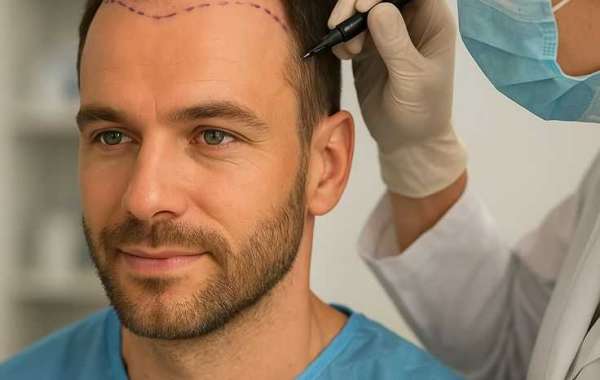

Thinning hair is a common concern that can develop gradually over time. Some people notice more scalp visibility, a widening part, a receding hairline, or reduced density around the crown. While changes in hair thickness can be part of normal aging, persistent thinning may affect a person's confidence and appearance.
Modern hair restoration provides several options for people who want to improve the appearance of thinning areas. A hair transplant is one approach that uses the individual's own hair follicles to increase coverage in areas where hair has become noticeably sparse. With careful planning and appropriate patient selection, transplantation can provide several benefits for people experiencing hair thinning.
Helps Improve Hair Coverage
One of the primary benefits of a hair transplant is the ability to add hair to areas where density has decreased. Healthy follicles are typically taken from a donor region and placed into selected thinning areas.
The procedure can be planned around the individual's pattern of hair loss. Depending on the person's needs, treatment may focus on the hairline, temples, crown, or other areas where additional coverage is desired.
Instead of relying on temporary cosmetic techniques to conceal thinning, transplantation can provide growing hair in the treated region.
Uses Your Own Hair
Hair transplantation generally uses follicles from the patient's own scalp. This can help create a more cohesive appearance because the transplanted hair matches the individual's natural characteristics.
Factors such as hair texture, color, thickness, and growth pattern can influence the final appearance. When grafts are appropriately placed, they can blend with surrounding hair as they grow.
Using the patient's own follicles also allows the restored hair to maintain its natural characteristics.
Creates a Natural-Looking Appearance
Modern transplantation places considerable emphasis on natural-looking results. Simply adding hair to a thinning area is not enough; the grafts need to be positioned in a way that works with the existing hair.
Specialists consider the direction and angle of natural growth when placing grafts. Hairline design is also carefully planned to complement facial features.
A gradual transition between the hairline and the surrounding scalp can help prevent the result from looking artificial.
Can Address Different Areas of Thinning
Thinning hair does not always occur in the same location. Some individuals primarily experience changes around the front of the scalp, while others notice reduced density around the crown or upper scalp.
A personalized hair transplant plan can target the areas that have the greatest impact on overall appearance. The number of grafts required depends on the extent of hair loss, donor availability, and desired coverage.
In some cases, treatment may be performed in stages to manage the available donor supply responsibly.
Provides Long-Term Hair Restoration
Transplanted follicles are selected from donor areas that may be more resistant to the processes responsible for common pattern hair loss. Once successfully established, these follicles can continue growing for many years.
This makes transplantation different from temporary styling products or cosmetic fibers, which only change the appearance while they are being used.
However, existing non-transplanted hair can continue to thin. Long-term management should therefore consider both transplanted and naturally growing hair.
May Improve Confidence
Hair thinning can affect how people feel about photographs, social situations, work environments, or personal appearance. Improving visible hair coverage may help some individuals feel more comfortable and confident.
The psychological benefit of restoration can be just as meaningful as the physical change. Seeing gradual improvement in hair density may encourage people to feel more positive about their appearance.
However, expectations should remain realistic. Hair restoration is designed to improve areas of hair loss rather than guarantee a complete return to previous hair density.
Offers Personalized Treatment Options
Every person's hair loss pattern is different. A suitable treatment plan considers the patient's age, donor hair, scalp condition, hair characteristics, degree of thinning, and long-term expectations.
Modern techniques such as Follicular Unit Extraction (FUE) and Follicular Unit Transplantation (FUT) may be considered depending on individual circumstances.
During a consultation, the specialist can explain the advantages and limitations of each option and recommend an approach suited to the patient's needs.
Gradual Results Can Look More Natural
Another benefit of transplantation is that the final result develops gradually. The newly transplanted follicles need time to adjust and enter their normal growth cycle.
Some transplanted hairs may shed during the early period before new growth begins. Over the following months, new hair can gradually become longer and thicker.
Because the change develops over time, the restored area can progressively blend with existing hair. Patience is therefore an important part of the treatment experience.
Minimal Special Maintenance After Growth
Once transplanted hair has fully grown and the scalp has healed, it can generally be cared for much like natural hair. Patients can usually wash, trim, and style the hair according to their normal routine, following their specialist's recommendations.
Maintaining good scalp and hair health remains important. Regular professional assessments can also help monitor existing hair and identify further thinning.
Can Support a More Youthful Appearance
Thinning around the hairline and crown can sometimes make a person appear older. Improving hair coverage may create a more balanced and youthful-looking appearance.
A carefully designed hairline should still look appropriate as the individual ages. For this reason, conservative and personalized planning is often important when deciding where and how grafts should be placed.
Choosing the Right Specialist Matters
The outcome of a hair transplant depends on several factors, including donor quality, individual healing, hair characteristics, and the expertise of the treatment team.
Patients should research the qualifications and experience of their chosen practitioner. During consultation, they should ask about the recommended technique, expected recovery, possible risks, graft requirements, and realistic results.
Conclusion
A hair transplant can offer several benefits for people with thinning hair, including improved coverage, natural-looking growth, personalized restoration, and potentially long-lasting results. Because the treatment uses the patient's own follicles, the restored hair can blend naturally with existing growth when carefully planned and placed.
Anyone considering transplantation should have a professional assessment to determine whether the procedure is appropriate for their specific pattern of hair loss and to establish realistic expectations for the restoration journey.
For more information visit Royal Hair Transplant clinic in islamabad