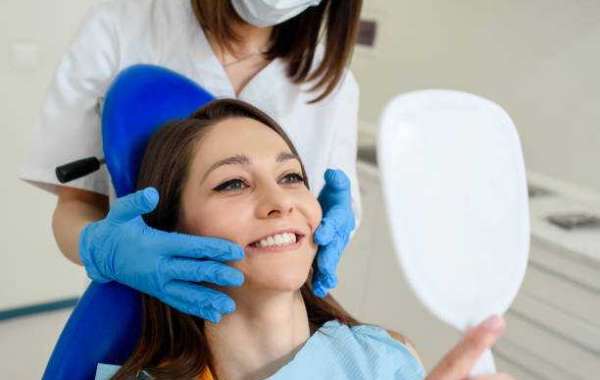

For patients considering Same Day Dental Implants in Dubai, proper preparation can make the overall experience smoother and support a healthy recovery. Although the initial implant procedure may be completed during one appointment, preparation before placement and careful care afterward remain important.
Before the procedure, the dental professional evaluates the teeth, gums, jawbone, and implant site. Digital imaging may also be used to understand the bone structure and plan the implant position. This assessment helps determine whether immediate placement is appropriate for the individual patient.
Complete Your Dental Assessment
A comprehensive dental examination is one of the first steps before implant placement. The dentist may check for gum disease, infection, bone loss, damaged teeth, and other conditions that could affect the procedure.
Patients should provide accurate information about their dental history and any medications they take. Sharing relevant details allows the dental team to develop a plan that is appropriate for the patient's circumstances.
If an oral health problem is identified, it may need to be addressed before the implant procedure. This can sometimes change the expected timeline, but proper preparation can help create a healthier environment for implant placement.
Plan Your Recovery in Advance
Patients can make recovery easier by preparing for the first few days after the procedure. Arranging time to rest and having suitable soft foods available can be helpful.
It is also useful to understand the aftercare instructions before the appointment. Knowing how to clean the mouth, protect the temporary restoration, and manage normal post-procedure discomfort can reduce uncertainty during recovery.
The dental team should provide personalized instructions because recommendations can vary depending on the number and location of implants.
Dental Clinic: Preparing for Your Implant Procedure
A Dental Clinic provides the professional assessment and planning needed before implant placement. During the consultation, the dental team can explain the procedure, expected recovery, temporary restoration, and follow-up schedule.
Patients should use this appointment to ask questions about eating, brushing, sleeping, physical activity, and protecting the implant. Understanding these details before the procedure can make it easier to follow the recommended care afterward.
The dental professional may also explain what signs should be reported during recovery and when the next appointment is expected.
Caring for the Area Immediately After Placement
After the implant is placed, the surrounding tissues may feel sensitive. Mild swelling or tenderness can occur as part of the normal healing response.
Patients should avoid repeatedly touching or disturbing the implant area. Following the dental team's instructions regarding oral hygiene and any recommended medication is important.
Rest can also be helpful during the initial recovery period. Patients should avoid unnecessary pressure on the implant and allow the tissues time to begin healing.
Follow a Suitable Diet
Food choices can help protect a newly placed implant and temporary restoration. Soft foods are often easier to manage during the early recovery period because they require less chewing.
Very hard, sticky, or crunchy foods may place excessive pressure on the temporary tooth or sensitive tissues. Patients should follow the specific dietary recommendations given by their dental professional.
As healing progresses, normal eating habits can gradually return when the dental team confirms that it is appropriate.
Maintain Careful Oral Hygiene
Keeping the mouth clean is important for maintaining healthy gums around the implant. However, patients should be gentle around the surgical area during the initial healing stage.
Brushing should follow the instructions provided by the dental professional. Aggressive brushing or unnecessary pressure around the implant should be avoided.
As the area heals, regular brushing and cleaning between the teeth become part of everyday implant care. Consistent oral hygiene can help support the surrounding tissues and natural teeth.
Protect Your Temporary Restoration
A temporary tooth may be attached during the same appointment as the implant. Although it can improve the appearance of the smile, it may not be designed to handle the same chewing forces as the permanent restoration.
Patients should avoid biting hard foods directly with the temporary tooth when advised. Habits such as chewing ice, biting pens, or using teeth to open objects can also damage dental restorations.
Protecting the temporary restoration is particularly important while the implant is undergoing osseointegration.
Attend Your Follow-Up Appointments
Follow-up visits allow the dental professional to monitor the healing process and evaluate the condition of the implant. The temporary restoration can also be checked for comfort, fit, and function.
These appointments are important even if the initial procedure was completed in a single day. The implant continues to undergo biological changes after placement, so professional monitoring remains necessary.
Once adequate healing has occurred, the permanent restoration can be planned and fitted.
Long-Term Care After Healing
After the permanent restoration is placed, patients should continue practicing good oral hygiene. Regular dental examinations can help monitor the implant and the surrounding gum tissue.
Professional cleanings may also be useful for controlling plaque in areas that are difficult to reach with normal brushing. Maintaining healthy neighboring teeth is equally important because the entire mouth contributes to overall oral health.
Patients should report persistent discomfort, unusual movement, gum changes, or other concerns to their dental professional rather than ignoring them.
Before and After Care Work Together
Preparation and aftercare are closely connected. A healthy mouth before implant placement can provide a better starting point, while careful habits after the procedure can help protect the healing implant.
Patients should focus on following professional instructions rather than comparing their recovery with someone else's experience. Healing times and aftercare requirements can vary from person to person.
Final Thoughts
Same Day Dental Implants can provide an efficient way to begin replacing missing teeth, but preparation and aftercare are essential parts of the process. A thorough assessment, careful oral hygiene, suitable food choices, protection of the temporary restoration, and regular follow-up can all support a smooth recovery and long-term implant care.