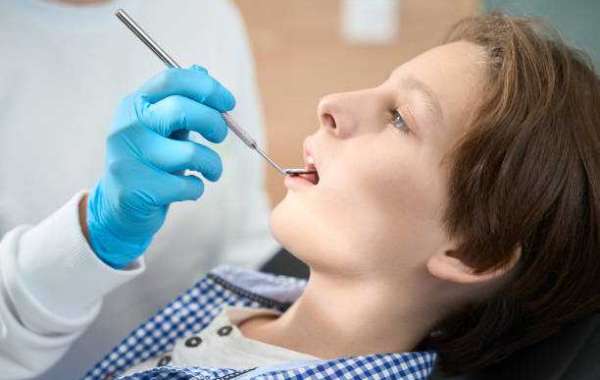

Tooth extraction is a common dental procedure used when a tooth cannot be preserved or needs to be removed for oral health reasons. Patients searching for Tooth Extraction in Dubai may have questions about discomfort, swelling, eating, and the normal healing process. Some soreness is expected after the procedure, particularly during the first few days. Understanding what is normal and following appropriate aftercare instructions can make recovery more comfortable.
The amount of discomfort can vary depending on the tooth, the complexity of the extraction, the condition of the surrounding gums, and the individual's overall oral health. Simple extractions often involve a shorter recovery, while surgical removal, such as an impacted wisdom tooth extraction, may require additional care.
What Causes Discomfort After Tooth Removal?
After a tooth is removed, the surrounding tissues need time to heal. The extraction site forms a blood clot that protects the underlying bone and nerves while new tissue develops. This natural healing process can cause temporary soreness and sensitivity.
Swelling may also occur around the extraction area. It can sometimes become more noticeable during the first couple of days before gradually improving. Mild tenderness while eating or opening the mouth may also be experienced, especially after a more complex extraction.
Following the dentist's instructions is important because disturbing the extraction site can interfere with normal healing. Activities such as forceful rinsing, frequent spitting, or using a straw may create pressure that affects the blood clot.
### Dental Clinic: Managing Your Recovery Comfortably
A Dental Clinic can provide personalized instructions based on the type of extraction performed and the patient's individual needs. During the appointment, the dental professional may explain how to care for the extraction socket, manage expected discomfort, and recognize symptoms that require further attention.
Pain relief recommendations should always be followed according to the dentist's instructions and the patient's medical circumstances. If medication is suggested, patients should use it only as directed and avoid taking medicines that have not been recommended or are unsuitable for them.
Keeping the head slightly elevated when resting may also help reduce throbbing and swelling. Applying a cold compress externally for short periods during the early recovery period can provide additional comfort. The compress should be wrapped in a cloth rather than placed directly against the skin.
Choosing Foods That Support Healing
Food choices can make the recovery period easier. Soft foods that require minimal chewing are generally more comfortable immediately after an extraction. Yogurt, mashed vegetables, scrambled eggs, soft pasta, and similar foods may be easier to eat while the area is sensitive.
Very hot foods and drinks should be avoided immediately after the procedure because heat may increase bleeding or discomfort. Hard, crunchy, or sticky foods can also irritate the extraction site.
As healing progresses, patients can gradually return to their usual diet according to their dentist's guidance. Chewing on the opposite side of the mouth can help prevent unnecessary pressure on the healing area.
Maintaining Oral Hygiene During Recovery
Good oral hygiene remains important after tooth removal, but the extraction site needs gentle care. Patients should follow their dentist's instructions regarding brushing around the area and rinsing the mouth.
The rest of the teeth should continue to be cleaned carefully to reduce plaque buildup and maintain overall oral health. However, directly disturbing the extraction socket with a toothbrush or excessive rinsing should be avoided during the early healing stage unless specifically instructed by a dental professional.
Once the initial healing period has passed, normal oral hygiene can usually be resumed gradually. Keeping the mouth clean supports healthy gums and helps reduce the risk of complications.
When Pain May Need Professional Attention
Some discomfort is expected, but worsening or severe pain should not simply be ignored. If pain becomes significantly stronger after initially improving, or if it is accompanied by persistent bleeding, increasing swelling, fever, an unpleasant taste, or unusual discharge, professional dental advice should be sought.
One possible complication is dry socket, which can occur when the protective blood clot is lost or does not remain properly in the extraction site. It may cause significant pain that can radiate toward the ear, jaw, or surrounding area. A dentist can assess the socket and provide appropriate care if a complication develops.
Patients should also contact their dental professional if swelling continues to increase, breathing or swallowing becomes difficult, or symptoms feel unusual or severe.
Supporting a Smooth Healing Process
Recovery is easier when the extraction area is allowed to heal without unnecessary irritation. Avoiding smoking and following activity restrictions provided by the dentist can support the healing process. Patients should also attend any recommended follow-up appointments so the extraction site can be evaluated when necessary.
Rest is another important part of recovery. Strenuous physical activity immediately after an extraction may increase discomfort or bleeding, so patients should follow the specific activity guidance given by their dental professional.
Good hydration, appropriate food choices, gentle oral hygiene, and careful socket protection can all contribute to a more comfortable recovery.
Final Thoughts
Managing discomfort after Tooth Extraction involves protecting the extraction site, following professional aftercare instructions, choosing suitable foods, and maintaining gentle oral hygiene. Mild soreness can be part of normal healing, but unusual or worsening symptoms should receive professional attention. With proper care and patience, most patients can progress through recovery comfortably while protecting their long-term oral health.