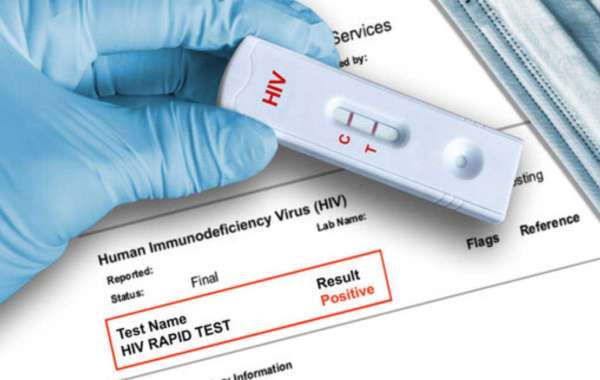

An HIV Blood Test is a commonly used method for checking evidence of HIV infection. Since HIV may not always cause noticeable symptoms, testing can provide important information about a person's health status. Understanding the testing process, including sample collection, test timing, result interpretation, and possible follow-up, can help people feel more prepared when considering HIV screening.
For people seeking accessible healthcare services, Blood Test In Dubai options can provide professional laboratory testing and healthcare guidance. Depending on the healthcare provider, patients may receive information about the type of test, sample collection process, expected result time, and follow-up care. Professional services can also help patients understand how their personal health information is managed during the testing process.
What Is an HIV Blood Test?
An HIV Blood Test examines a blood sample for evidence associated with HIV infection. Depending on the testing method, the laboratory may look for HIV antibodies, p24 antigen, or a combination of markers.
Different tests have different detection periods, so the most suitable test can depend on the circumstances and how much time has passed since a possible exposure.
A healthcare professional can explain the specific test being performed and what information it can provide.
Why Is HIV Testing Important?
HIV can affect the immune system and may remain unnoticed for a long period. Some people experience symptoms after infection, while others may not notice any symptoms.
Because symptoms are not a reliable way to determine HIV status, testing can provide more specific information. An HIV Blood Test can help identify whether evidence of HIV is present in a sample.
If infection is confirmed, appropriate medical care can be discussed with a healthcare professional. Modern HIV treatment can help control the virus and support the immune system.
When Should You Consider HIV Testing?
The appropriate time for an HIV Blood Test depends on the type of test and the circumstances surrounding a possible exposure.
Testing may be considered after certain types of unprotected sexual contact, exposure to infected blood, or another situation that may involve HIV transmission. Some people may also include HIV screening as part of appropriate sexual health care.
If a possible exposure happened recently, tell your healthcare provider when it occurred. The timing can help determine which test may be appropriate and whether additional testing could be needed.
Understanding the HIV Window Period
The window period is an important part of the HIV testing process. It refers to the period after potential exposure when an infection may not yet be reliably detected by a particular test.
Different HIV tests have different window periods. This means that testing very soon after exposure may not provide a definitive result.
If you receive a negative result shortly after a possible exposure, a healthcare professional can explain whether repeat testing should be considered. Following the recommended testing schedule can help provide more meaningful information.
How Is the Blood Sample Collected?
The collection process for an HIV Blood Test is generally simple and quick. A trained healthcare professional usually cleans the skin before inserting a sterile needle to collect a small amount of blood.
You may feel a brief pinch during the collection. After the sample is taken, pressure may be applied to the area and a small dressing can be used if needed.
The sample is then sent to a laboratory or processed according to the healthcare facility's procedures.
Does an HIV Blood Test Require Fasting?
Most HIV blood tests do not require fasting. However, if you are having several blood tests during the same appointment, some of the other tests may have specific preparation requirements.
For this reason, it is useful to ask your healthcare provider about preparation before your appointment. Following their instructions can help ensure that all planned tests are performed correctly.
You should also provide accurate information about any potential exposure because the timing may affect the interpretation of HIV testing.
How Long Do HIV Test Results Take?
The time required to receive results depends on the testing method and healthcare provider. Some services may provide results relatively quickly, while laboratory-based tests can require additional processing time.
Before taking an HIV Blood Test, you can ask how long the results are expected to take and how they will be communicated.
Knowing when to expect your report can help reduce uncertainty while waiting for the results.
What Does a Negative Result Mean?
A negative HIV test result generally means that the test did not detect evidence of HIV in the sample.
However, the timing of testing is important. If testing was performed during the window period, an infection may not yet be detectable. In such circumstances, a healthcare professional may recommend another test after an appropriate interval.
A negative result should therefore be interpreted based on the test type and the timing of a possible exposure.
What Happens After a Positive Screening Result?
A reactive or positive screening result may require additional testing before an HIV diagnosis is confirmed. The exact follow-up process depends on the testing method.
If additional testing confirms HIV infection, healthcare professionals can explain treatment and ongoing care options. HIV treatment can reduce the amount of virus in the body and help protect immune system function.
Professional guidance is important after any reactive result because it provides a clearer understanding of what the result means and what should happen next.
Can HIV Testing Be Done Without Symptoms?
Yes. You do not need to have symptoms to receive an HIV Blood Test. In fact, testing can be particularly useful because HIV may not always produce obvious signs.
Waiting for symptoms can delay access to important health information. If you believe you may have been exposed, discussing testing with a healthcare professional can help you understand when screening may be appropriate.
Symptoms that resemble HIV can also be caused by many other conditions, so they should not be used as a substitute for proper testing.
Protecting Privacy During HIV Testing
HIV testing involves sensitive medical information. Professional healthcare providers should follow applicable privacy and confidentiality requirements when handling patient information and test results.
Before testing, patients can ask about sample handling, result delivery, and available medical consultation. Understanding these procedures can make the experience more comfortable.
Choosing a professional and established healthcare provider can also help ensure that testing is handled in an organized and respectful environment.
Understanding the Value of HIV Screening
An HIV Blood Test can provide important information about HIV status and help people make informed healthcare decisions. Understanding the testing process, window period, result interpretation, and possible follow-up can make screening easier to approach.
If you have experienced a possible exposure, speaking with a qualified healthcare professional can help you understand which testing option may be suitable and when testing should take place. If a screening result requires further investigation, professional follow-up can provide the necessary guidance.
HIV testing is an important part of health awareness because infection may exist without noticeable symptoms. By understanding how testing works and following appropriate medical advice, people can obtain useful information about their health and seek further care when necessary.