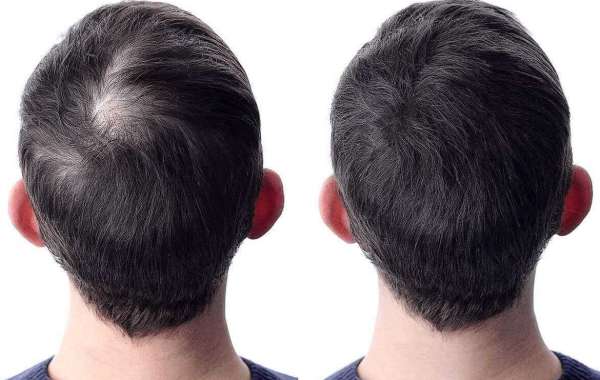

Hair loss affects women differently than men—both in how it presents and in how it is assessed and treated. Female patients often face distinct diagnostic considerations, and the suitability criteria for surgery differ. This article examines what women should understand before pursuing a hair transplant in Dubai, including causes of female hair loss, candidacy factors, and realistic expectations.
How Female Hair Loss Differs
Male pattern baldness typically follows a predictable sequence—receding hairline, thinning crown, progressive loss. Female hair loss is often more diffuse, affecting the entire scalp rather than specific zones.
Common presentations include:
Generalised thinning without bald patches
Widening of the central part
Reduced volume and density
Hairline recession, less commonly
Because of this pattern, transplantation in women requires careful assessment and sometimes different technique planning.
Why Diagnosis Comes First
Before considering surgery, identifying the underlying cause of hair loss is essential. Many conditions cause female hair thinning, and some are reversible with appropriate treatment.
Potential causes:
Hormonal imbalances (thyroid, PCOS, menopause)
Iron deficiency or anaemia
Nutritional deficiencies
Telogen effluvium following stress, illness, or childbirth
Autoimmune conditions such as alopecia areata
Medication side effects
Traction alopecia from tight hairstyles
In our clinical experience, women who undergo thorough medical evaluation sometimes find that non-surgical treatment addresses their concern more effectively than surgery would.
Hair Transplant in Dubai: Candidacy for Women
A hair transplant in Dubai may be suitable for some women, but candidacy depends on specific criteria.
Favourable factors:
Localised thinning rather than diffuse loss
Stable pattern
Adequate donor density
Hair loss from scarring or traction
Realistic expectations
Less favourable factors:
Diffuse unpatterned alopecia
Active autoimmune conditions
Insufficient donor supply
Underlying untreated medical causes
A clinician will assess whether transplantation is likely to produce meaningful improvement.
The Importance of Donor Assessment
Women often have different donor characteristics than men.
Considerations:
Donor area may be more susceptible to miniaturisation
Hair texture and calibre vary widely
Previous styling habits may have caused traction damage
Densitometry and scalp examination help determine whether sufficient stable donor hair exists.
Hair Transplant in Dubai: Technique Considerations
Technique selection for women may differ from male patients.
FUE is often preferred to avoid a linear scar, especially if the patient wears short or pulled-back styles.
FUT may be considered when higher graft numbers are needed, though the linear scar may be a concern for some.
Hairline design must account for female facial proportions and typical styling.
The clinician should discuss trade-offs openly.
What Women Typically Report After Surgery
Recovery is similar to male patients, but emotional considerations may differ. Hair loss in women can carry significant social and psychological weight.
Patients often report:
Anxiety during the shedding phase
Relief when early growth appears
Improved confidence as density increases
Desire for natural-looking results that blend with existing hair
Understanding the timeline helps manage expectations.
Hair Transplant in Dubai: Special Considerations
Childbearing Plans
Hormonal changes during pregnancy and postpartum can affect hair. Timing surgery around family planning may be discussed.
Medical Maintenance
Some medications used for hair loss are not suitable during pregnancy or breastfeeding. Clinicians consider these factors when planning.
Hairstyling Habits
Avoiding traction and harsh chemical treatments supports long-term results.
Scalp Health
Conditions such as seborrheic dermatitis should be managed before surgery.
At Tajmeels Clinic in Dubai, female patients receive individualised assessment that accounts for hormonal, medical, and aesthetic factors, ensuring treatment recommendations are appropriate for their specific situation.
Questions Women Should Ask
Before proceeding, consider:
What is causing my hair loss?
Is surgery appropriate, or should other options be tried first?
How many grafts are needed?
Will the result look natural with my hairstyle?
What maintenance will be required?
How will future hormonal changes affect results?
Clear answers support informed decisions.
Realistic Expectations for Women
Transplantation can improve density in suitable candidates, but it does not restore childhood hair volume or reverse diffuse thinning. Results depend on donor quality, the pattern of loss, and adherence to aftercare.
Women who understand these limits tend to be more satisfied with outcomes.
Conclusion
A hair transplant in Dubai can benefit some women, particularly those with localised thinning and adequate donor hair. However, diagnosis, candidacy assessment, and realistic expectations are essential. If you are experiencing hair loss, seek a professional evaluation to determine the cause and the most appropriate treatment. Individual suitability varies, and clinical guidance should always come first.
Ready for a Change? Book Your Consultation Today
WhatsApp: +971 56 203 8751
Phone: +971 4 373 9000
Social Media:




