
Wisdom teeth can sometimes create oral health challenges when they do not have enough room to develop normally. Patients searching for Wisdom Tooth Extraction in Dubai may wonder whether removing a problematic third molar can help protect their teeth and gums. The answer depends on the condition and position of the wisdom tooth, which is why a professional dental assessment is important before making a decision.
How Can Wisdom Teeth Affect Oral Health?
Wisdom teeth are located at the very back of the mouth, making them more difficult to reach when brushing and flossing. When a wisdom tooth emerges normally and can be cleaned effectively, it may remain healthy without causing problems.
However, a partially erupted or impacted tooth can create spaces where food particles and bacteria accumulate. This may contribute to gum inflammation, tooth decay, or recurring discomfort.
A dentist can assess the tooth and surrounding tissues to determine whether it is creating a current or potential oral health concern.
Can Impacted Teeth Affect Nearby Teeth?
An impacted wisdom tooth can sometimes grow toward an adjacent molar. Depending on its position, this can make the neighboring tooth harder to clean or place pressure on the surrounding area.
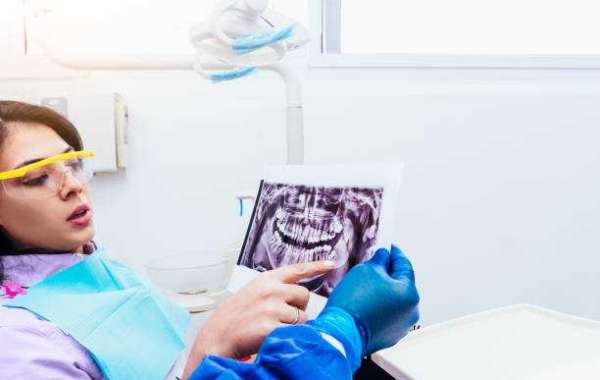
Dental imaging helps the dentist understand the relationship between the wisdom tooth and nearby teeth. If there is evidence that the wisdom tooth is affecting another tooth, the dentist can explain the available options.
Extraction may be considered when the risks associated with retaining the tooth outweigh the benefits of keeping it.
Can Removal Improve Oral Hygiene?
A problematic wisdom tooth can make the back of the mouth difficult to clean. Removing a tooth that is severely impacted or repeatedly causing hygiene problems may make the area easier to maintain.
However, extraction alone does not replace good oral hygiene. Patients should continue brushing twice daily, cleaning between teeth, and attending regular dental examinations.
Dental Clinic: Protecting Your Oral Health
A professional Dental Clinic can evaluate wisdom teeth and identify problems that may not be obvious to the patient. A dental examination and appropriate X-rays can show whether a tooth is impacted, decayed, infected, or affecting nearby structures.
During the consultation, the dentist can also explain whether removal is necessary or whether monitoring the tooth may be appropriate. This individualized approach helps avoid unnecessary procedures while addressing genuine dental concerns.
When Can Extraction Be Recommended?
Extraction may be recommended when a wisdom tooth causes repeated infection, significant discomfort, gum disease, tooth decay, or damage to a neighboring tooth. A tooth that cannot be properly cleaned may also require closer evaluation.
Some patients may have wisdom teeth that remain completely symptom-free. In such cases, the dentist may recommend observation rather than immediate removal.
The decision should be based on clinical findings rather than simply the presence of wisdom teeth.
Does Extraction Prevent Future Problems?
Removing a wisdom tooth that is already causing a specific problem can eliminate that particular tooth as a source of recurring symptoms. However, extraction cannot prevent every future dental issue.
Other teeth can still develop decay, gum problems, or infections. Maintaining good oral hygiene and attending regular checkups remain essential even after wisdom tooth removal.
What Is Important Before Extraction?
Before extraction, the dentist normally evaluates the tooth and surrounding structures. Dental imaging may be needed to determine the position of the tooth and its roots.
Patients should provide accurate information about medications, allergies, and relevant health history. They should also ask questions about anesthesia, the extraction technique, recovery, and aftercare.
Following pre-procedure instructions carefully can help the appointment proceed smoothly.
How Does Aftercare Support Oral Health?
After extraction, protecting the healing area is important. A blood clot normally forms inside the socket and helps support early healing. Patients should avoid disturbing the area and follow their dentist's specific instructions.
Maintaining appropriate oral hygiene around the rest of the mouth is also important. Soft foods may be more comfortable initially, and activities that could interfere with healing should be avoided according to professional guidance.
When Should You Seek Professional Advice?
Patients should contact their dentist if they experience severe or worsening pain, significant swelling, fever, excessive bleeding, or other unusual symptoms after extraction.
Before removal, persistent wisdom tooth pain or swelling should also be professionally evaluated rather than managed indefinitely at home. Early assessment can help identify the underlying cause and determine the appropriate course of care.
Final Thoughts
Wisdom Tooth Extraction can support oral health when a wisdom tooth is causing recurring problems, affecting nearby teeth, or creating significant hygiene challenges. A professional examination helps determine whether extraction or monitoring is appropriate. Good daily oral hygiene and regular dental visits remain important for maintaining healthy teeth and gums.