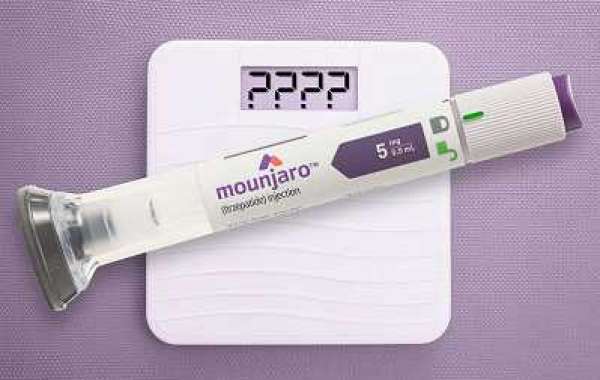

Patients want to know when things will happen: when appetite changes begin, when weight reduction becomes measurable, when side effects settle, and how long treatment continues. Understanding the sequence of the Mounjaro injection in Dubai helps patients plan realistically and recognise normal progress. This article outlines the typical phases of treatment, what distinguishes each stage, and how clinicians decide when to adjust or continue the plan. It is general information only and does not replace personalised medical advice.
Why a Timeline Matters Clinically
A timeline is not just reassurance for patients; it guides clinical decisions. Dose escalation, monitoring frequency, and review intervals all depend on where a patient is in the treatment sequence.
Knowing what normally happens at each stage helps clinicians distinguish expected effects from problems that need investigation.
How the timeline shapes care:
Early weeks focus on tolerance rather than results
Middle months focus on dose optimisation and measurable progress
Later months focus on consolidation and maintenance planning
In our clinical experience, patients who understand the sequence report less anxiety during the early weeks, when results are not yet visible.
Mounjaro Injection in Dubai: The Initiation Phase
Treatment begins at a low dose, deliberately. The starting dose is not intended to produce maximum effect but to allow the body to adjust.
What typically happens in the first weeks:
The first injection is administered at a starting dose
Appetite changes may or may not be noticeable immediately
Side effects, if they occur, are usually mild
No weight change is expected in some patients at this stage
During this phase, clinicians watch for tolerance rather than results. Rushing the dose upward is not necessarily beneficial and may worsen side effects.
Mounjaro Injection in Dubai: Dose Escalation
Doses are increased gradually, usually at intervals determined by the clinician. The pace depends on how well the previous dose was tolerated.
Principles guiding escalation:
Increase only when the current dose is tolerated
Do not escalate if side effects remain significant
Review response before each increase
Consider pausing escalation if progress is already satisfactory
Accept that not every patient needs the maximum dose
What patients typically report is that escalation weeks bring the most noticeable side effects, which is why clinicians often schedule reviews around these points.
Mounjaro Injection in Dubai: The Active Weight Loss Phase
Once a therapeutic dose is reached and tolerated, the focus shifts toward measurable progress. This phase usually spans several months.
What characterises this stage:
Weight reduction becomes more consistent
Appetite suppression is more stable week to week
Lifestyle habits begin to show their influence
Plateaus may occur and require review
Monitoring becomes routine rather than intensive
Progress during this phase is rarely linear. Weeks of stability followed by gradual change are common and do not necessarily indicate treatment failure.
The Maintenance and Review Phase
Weight management does not end when a target is approached. The plan shifts toward protecting gains and planning for the longer term.
Elements of this phase:
Discussion of continued treatment versus tapering
Review of lifestyle habits for sustainability
Defined thresholds for re-intervention
Scheduled reviews at longer intervals
Consideration of long-term maintenance options
Patients who plan for this phase early tend to approach the end of active treatment with more confidence.
Mounjaro Injection in Dubai: How Timelines Vary Between Patients
There is no universal schedule. Several factors shift the timeline in either direction.
Factors that may slow progress:
Lower starting dose tolerance requiring slower escalation
Significant side effects limiting dose increases
Metabolic conditions affecting response
Inconsistent adherence to injections or follow-up
Factors that may accelerate progress:
Good tolerance allowing steady escalation
Strong adherence to nutrition and activity plans
Absence of complicating medical conditions
Individual results vary, and clinicians adjust timelines based on observed response rather than fixed expectations.
Mounjaro Injection in Dubai: Recognising When the Plan Needs Review
Timelines are guides, not rigid schedules. Certain signs indicate that the plan should be reassessed.
Situations that warrant review:
Persistent side effects interfering with daily life
No measurable response after an adequate trial at therapeutic dose
Unexpected symptoms suggesting complications
Significant life changes affecting adherence
Patient preference to pause or stop
Review is not failure. It is part of responsible prescribing.
Where Structured Follow-Up Fits
Timelines only remain useful when someone is monitoring them. Regular review allows clinicians to confirm that progress is on track and to adjust when it is not.
Tajmeels Clinic in Dubai structures treatment around scheduled reviews, so each phase is assessed before the next begins rather than assuming a fixed schedule.
Support during each phase includes:
Clear explanation of what to expect next
Willingness to slow escalation when needed
Practical guidance for side effect management
Long-term planning before treatment concludes
Conclusion
Treatment with this medication follows a sequence: initiation, escalation, active weight loss, and maintenance planning. Each phase has its own focus, and progress is rarely linear. Patients who understand this structure tend to cope better with slow weeks and communicate more openly with their clinician. If you are starting treatment, ask what the plan looks like for the next few months and what would prompt a change. Knowing the roadmap makes the journey far less uncertain.