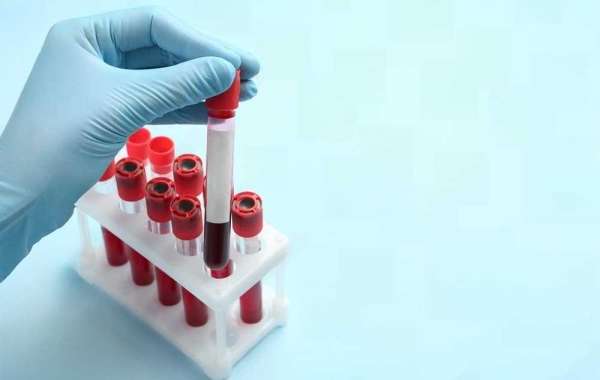

Sexually transmitted diseases can sometimes develop without obvious signs. A person may feel completely healthy while an infection is still present. This is one reason routine screening can be an important part of sexual healthcare. An STD Test Dubai can help identify certain sexually transmitted infections even when symptoms are absent or difficult to recognize. Early testing can provide useful information and allow healthcare professionals to determine whether further evaluation or treatment is needed.
Hidden infections can be particularly concerning because a person may unknowingly pass an infection to a sexual partner. Some untreated infections can also lead to complications over time. Testing provides a practical way to understand sexual health status rather than relying only on symptoms.
Why Some STDs Cause Few or No Symptoms
Not every sexually transmitted infection produces noticeable symptoms. Some infections may remain silent for a period of time, while others may cause symptoms that are mild enough to be mistaken for another condition. For example, changes in discharge, irritation, urinary discomfort, or mild genital discomfort may have several possible causes.
Certain people may therefore have an infection without realizing it. The absence of symptoms does not necessarily mean there is no infection. Testing can provide information that cannot be obtained from symptoms alone.
The timing of symptoms can also vary. Some infections may produce symptoms soon after exposure, while others may take longer to become noticeable. In some cases, symptoms may disappear even though the infection remains present. This makes appropriate medical testing particularly useful when there has been a possible exposure.
What an STD Test Can Help Identify
The specific infections detected depend on the tests ordered by a healthcare professional. Testing may be available for infections such as chlamydia, gonorrhea, HIV, syphilis, hepatitis B, and other sexually transmitted infections. Different infections require different testing methods.
Some tests use urine samples, while others may involve blood, swabs, or other specimens. The appropriate sample depends on the suspected infection, symptoms, exposure history, and the part of the body that may have been exposed.
A healthcare professional can determine which tests are appropriate rather than assuming that one test checks for every possible infection. Understanding this difference is important when arranging sexual health screening.
How Enfiled STD Clinic Can Support Testing
At Enfiled STD Clinic, sexual health testing can be approached according to the individual's circumstances, symptoms, and potential exposure. A healthcare professional can discuss relevant concerns and determine which screening options may be appropriate.
Confidentiality is also an important consideration for many people seeking sexual health services. Discussing personal information with a qualified healthcare professional can help establish whether testing, follow-up testing, or additional medical evaluation may be necessary.
People should avoid selecting tests solely based on assumptions about an infection. A healthcare professional can explain the available options and help ensure that testing is relevant to the situation.
When Hidden Infection Testing May Be Considered
There are several situations in which a person may consider sexual health screening even without symptoms. A new sexual partner, a partner with a known infection, sex without barrier protection, or uncertainty about a previous partner's sexual health status may all be reasons to discuss testing with a healthcare professional.
Testing may also be considered as part of routine preventive healthcare. The appropriate frequency depends on individual circumstances and risk factors.
People who have multiple partners or changing sexual partners may have different screening needs from those in a mutually monogamous relationship where both partners have been appropriately tested. A healthcare professional can provide guidance based on personal circumstances.
Why Testing After Possible Exposure Requires Timing
The timing of an STD test can affect how useful the result is. Different infections have different periods between exposure and the point when a test can reliably detect infection. This period is sometimes described as a window period.
Testing immediately after a possible exposure may not always provide a definitive answer. A negative result can therefore need to be interpreted according to when the exposure occurred and which test was performed.
If someone has recently experienced a potential exposure, it is useful to tell the healthcare professional when it happened. This information can help determine whether testing should occur immediately, later, or be repeated.
People should also seek prompt medical advice after a significant exposure rather than waiting for symptoms to appear.
What Happens During STD Screening?
The testing process depends on the infections being investigated. Before testing, a healthcare professional may ask questions about symptoms, recent sexual contact, previous testing, and possible exposure.
The clinician may then recommend one or more tests. Blood testing may be used for some infections, while urine or swab samples may be appropriate for others.
The process is generally straightforward, but preparation requirements can vary. Patients should follow the specific instructions provided by the healthcare facility to help ensure that the sample is suitable for analysis.
Testing does not necessarily mean that a person has an infection. Screening is simply a way of obtaining information about sexual health.
Understanding Negative Test Results
A negative result generally means that the infection tested for was not detected by that particular test at that time. However, the interpretation can depend on the type of test and when it was performed.
If testing occurred very soon after exposure, additional testing may sometimes be recommended. A negative result for one infection also does not rule out other infections that were not included in the screening.
This is why patients should discuss their results with a healthcare professional when they have questions or concerns. The clinician can explain whether additional testing is appropriate.
Understanding Positive Test Results
A positive result means that the test detected evidence associated with the infection being tested for. The next steps depend on the specific infection and the test performed.
Some infections can be treated effectively with appropriate medication, while others require ongoing medical management. Patients should follow professional medical advice and avoid self-treatment based solely on information found online.
Depending on the infection, a healthcare professional may also recommend partner notification, additional testing, treatment, or follow-up appointments.
A positive result should be treated as medical information that helps guide appropriate care rather than something to hide or ignore.
Why Regular Screening Can Be Valuable
Routine sexual health screening can help people become more aware of their health status. It can also identify infections that might otherwise remain unnoticed.
Regular testing does not replace safer-sex practices. Using appropriate barrier protection, discussing sexual health with partners, limiting exposure risks, and seeking professional advice when symptoms appear can all contribute to better sexual health management.
People should also remember that testing recommendations can change according to age, sexual activity, pregnancy status, medical history, exposure circumstances, and other factors.
Final Thoughts
Hidden sexually transmitted infections can occur without obvious symptoms, which is why relying entirely on how you feel may not provide a complete picture of your sexual health. An STD Test Dubai can help detect specific infections and provide information that supports appropriate medical care.
Testing should be selected according to individual circumstances, possible exposure, symptoms, and professional medical guidance. Understanding the timing of testing and interpreting results correctly are also important. Regular and appropriate screening can help people make informed decisions about their sexual health while encouraging timely medical attention when an infection is identified.