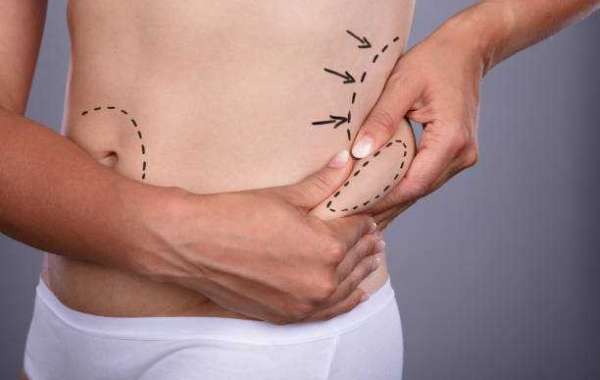

Liposuction is a body-contouring procedure used to reduce localized fat deposits in selected areas of the body. Unlike general weight-loss methods, it focuses on specific regions where unwanted fullness may affect body proportions. For people considering Liposuction in Riyadh, understanding the areas that can commonly be treated can make it easier to discuss individual concerns and expectations during a consultation.
Different parts of the body can respond differently to fat removal because of variations in anatomy, skin elasticity, and fat distribution. Liposuction in Riyadh may be considered for several areas, including the abdomen, waist, hips, thighs, arms, and back. However, not every area is suitable for every patient, so treatment should always be based on an individual medical assessment.
Abdomen
Targeting Abdominal Fat
The abdomen is one of the areas frequently considered for liposuction. Localized fat around the stomach can remain noticeable even when someone maintains a relatively stable weight and follows healthy lifestyle habits.
Creating a More Defined Contour
When appropriate, carefully planned fat removal can reduce localized fullness and improve the transition between the abdomen and surrounding areas. The amount of fat removed should be determined according to the patient's anatomy rather than simply aiming for maximum reduction.
Waist and Flanks
Addressing Side Fat
The waist and flanks, sometimes referred to as the sides or love-handle area, can contribute significantly to the overall body silhouette. Localized fat in these areas may affect how defined the waist appears.
Considering Surrounding Proportions
Treatment planning often considers the relationship between the waist, abdomen, hips, and back. A balanced approach can help create smoother transitions between neighboring areas rather than focusing on one isolated spot.
Hips
Improving Body Proportions
Localized fat around the hips can influence the appearance of the lower body. In suitable patients, liposuction may be used to refine selected areas around the hips and create a more balanced contour.
Individual Anatomy Matters
The ideal amount of fat removal varies between patients. Bone structure, natural body shape, muscle distribution, and skin elasticity all need to be considered when planning treatment.
Thighs
Inner Thighs
The inner thighs can develop localized areas of fullness that affect the space between the legs. Liposuction may be considered when excess fat is present and the skin has sufficient elasticity.
Outer Thighs
The outer thighs can also be treated in selected patients. Careful planning is important because the outer thigh is connected visually with the hips and buttocks, making overall proportions an important consideration.
Upper Arms
Reducing Localized Fullness
Some people experience persistent fat deposits around the upper arms. When appropriate, liposuction can target these deposits and potentially create a more streamlined arm contour.
Skin Elasticity Is Important
The quality of the skin is particularly relevant in the upper arms. If significant loose skin is present, removing fat alone may not address the primary concern. A surgeon can assess whether another body-contouring approach may be more suitable.
Back
Addressing Localized Back Fat
Fat deposits can develop around different areas of the back, including the upper and lower back. Depending on the patient's anatomy, targeted liposuction may be considered to reduce localized fullness.
Creating Smooth Transitions
Because the back connects with the waist and sides, treatment should account for surrounding areas. Removing fat unevenly can affect the smoothness of the overall contour, which is why careful surgical planning is important.
Under the Chin
Submental Fat
Localized fat beneath the chin can contribute to a less defined jawline. In selected patients, liposuction may be used to reduce submental fat and improve the transition between the chin and neck.
Skin Quality Matters
The appearance of the neck after fat removal depends partly on skin elasticity. Patients with significant skin laxity may require a different approach, so an examination is necessary before treatment.
Other Potential Treatment Areas
Knees
Small areas of localized fat around the inner knees may sometimes be considered for treatment. Because this is a relatively delicate contouring area, the surgeon needs to assess the surrounding anatomy carefully.
Chest and Other Areas
In selected cases, liposuction may also be incorporated into treatment of other areas. Suitability depends on the underlying cause of fullness, the patient's anatomy, skin quality, and overall health.
What Determines Whether an Area Can Be Treated?
Fat Distribution
The location, thickness, and consistency of localized fat can influence whether liposuction is appropriate. The procedure is generally intended for subcutaneous fat rather than fat located around internal organs.
Skin Elasticity
Skin that can adapt to changes in the underlying tissue may respond differently from skin with significant laxity. This is one reason why two patients receiving treatment in the same area may have different outcomes.
Overall Health
Medical history, medications, previous procedures, and general health also influence treatment planning. A qualified medical professional should evaluate these factors before recommending surgery.
What Happens After Treatment?
After liposuction, swelling, bruising, tenderness, and temporary changes in sensation may occur. The treated area can take time to settle, and the final contour may become clearer gradually as healing progresses.
Patients should follow their surgeon's instructions regarding activity, compression garments, wound care, and follow-up appointments. Individual recovery recommendations can vary depending on the extent and location of treatment.
Choosing the Right Treatment Areas
For people considering Liposuction in Riyadh, identifying the areas that concern you is only the first step. A qualified surgeon should evaluate your anatomy, skin quality, fat distribution, medical history, and desired outcome before deciding which areas can safely and appropriately be treated.
The goal of liposuction is generally to refine body contours rather than remove as much fat as possible. Maintaining realistic expectations and understanding the limitations of the procedure can help patients approach treatment with a clearer understanding of what it may achieve.
Book Your Consultation at Royal Clinic Saudia
If you are interested in treating localized fat in one or more areas, Royal Clinic Saudia can provide a personalized consultation. A qualified medical professional can assess your concerns, identify suitable treatment areas, explain the available approach, and discuss recovery and potential risks based on your individual needs.