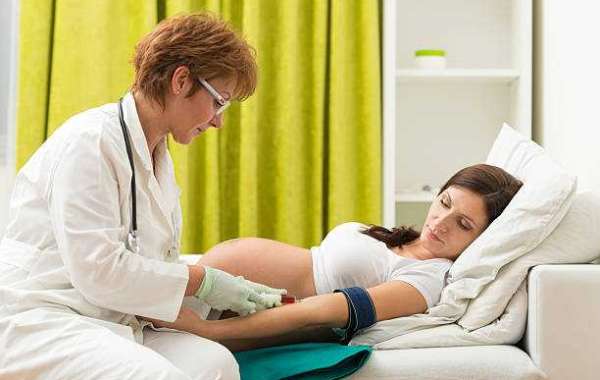

A Marriage Blood Test is a health screening that couples may complete before marriage to learn about specific medical conditions and health factors. The exact screening requirements can vary according to local regulations, healthcare programs, and individual circumstances. Couples arranging a should confirm the applicable testing requirements with an approved healthcare provider before scheduling an appointment.
Pre-marital screening can provide information about certain infections, Blood test in Dubai inherited blood disorders, genetic conditions, and other health factors. Knowing what the screening involves can help couples prepare properly and understand why particular tests may be requested.
Why Are Pre-Marital Health Tests Important?
A Marriage Blood Test can identify certain conditions that may not produce noticeable symptoms. Some infections and inherited disorders can remain undetected without laboratory testing, even when an individual feels completely healthy.
Having this information before marriage can allow couples to discuss their health with qualified healthcare professionals. If a result requires further attention, the appropriate provider can recommend additional testing, treatment, or counseling where necessary.
Encouraging Better Health Awareness
Pre-marital testing is primarily about obtaining relevant medical information. It should not be viewed as a way to judge either partner.
The results can help couples understand specific aspects of their health and provide an opportunity to ask questions about conditions that may be relevant to married life or future family planning.
What Tests May Be Included?
The exact tests included in a pre-marital screening package are not the same everywhere. Requirements can depend on the local healthcare system and the purpose of the screening.
Depending on the applicable program, couples may be screened for certain infectious diseases, blood disorders, or inherited conditions.
Infectious Disease Screening
Some infections can exist without clear symptoms. Specific blood tests can screen for infections included in the relevant pre-marital health program.
If a screening result is positive or unclear, additional testing may be recommended. Screening tests and confirmatory diagnostic tests are not always the same, so results should be discussed with a qualified healthcare professional.
Blood Disorder Screening
Certain inherited blood disorders may be included in pre-marital screening. Laboratory tests can examine characteristics related to red blood cells, hemoglobin, or other blood components.
If a possible abnormality is identified, additional testing may help determine what the result means. A healthcare professional can explain whether the finding requires further evaluation.
Genetic Screening and Marriage
Genetic testing may be considered when a couple has a known family history of inherited disease or when genetic screening is included in a particular health program.
These tests examine specific genetic information rather than providing a general assessment of someone's health. The meaning of a genetic result depends on the condition and the type of test performed.
Understanding Carrier Status
A person can carry a genetic variant without having the associated condition. This is known as carrier status.
For some recessive inherited conditions, testing both partners can provide more information about potential reproductive considerations. If both partners carry variants associated with the same condition, genetic counseling may be recommended.
A genetic counselor or qualified healthcare professional can explain inheritance patterns and help couples understand their results accurately.
Are the Requirements the Same for Every Couple?
No. Pre-marital health screening requirements can vary according to location, applicable regulations, healthcare programs, and individual medical history.
Some couples may be completing testing because it is required for official procedures, while others may choose additional screening voluntarily.
For this reason, it is important to ask the healthcare provider for the exact list of required tests rather than assuming that every couple needs an identical package.
How to Prepare for a Marriage Blood Test
Preparation depends on the tests being performed. Some blood tests require fasting, while others do not.
Couples should follow the instructions provided by their healthcare provider or laboratory. If fasting is necessary, the provider should explain how long to fast and whether water is permitted.
Check Your Appointment Instructions
Before attending your appointment, confirm the testing requirements, required identification, expected turnaround time, and result delivery process.
If you take regular medication or have a relevant medical condition, ask your healthcare provider whether there are any specific instructions before blood collection.
What Happens During Blood Collection?
The blood collection process is generally straightforward. A trained healthcare professional collects a blood sample using appropriate laboratory procedures.
The amount of blood required depends on the number and type of tests requested. After collection, the sample is labeled and processed by the laboratory.
Routine tests may be completed relatively quickly, while specialized tests can take longer.
Understanding Your Results
A laboratory report may contain numerical values, reference ranges, and medical terminology. Understanding the report correctly is important because a single result does not always provide a complete picture of someone's health.
A value outside a reference range does not automatically mean that a person has a disease. Healthcare professionals consider the specific test, medical history, symptoms, and other relevant information when interpreting results.
What If a Result Is Abnormal?
An abnormal or positive screening result may require additional evaluation. Depending on the test, this could involve repeat testing, confirmatory testing, or consultation with a specialist.
Couples should avoid reaching conclusions based only on the wording or numbers shown on a laboratory report. A qualified professional can explain whether the result requires further action.
How Results Can Support Family Planning
Pre-marital screening may provide information that is relevant to future family planning, particularly when genetic or inherited conditions are identified.
If both partners have findings that could have reproductive implications, healthcare professionals can explain the situation and discuss appropriate options for further evaluation.
Screening does not predict every possible health outcome for a future pregnancy. It only provides information about the conditions or characteristics included in the tests performed.
Choosing the Right Testing Provider
Couples should choose a healthcare provider or laboratory that offers the required screening and provides clear information about the testing process.
Before booking, ask which tests are included, whether the results are accepted for the intended purpose, how long testing takes, and whether professional consultation is available.
Privacy should also be considered. Medical reports contain personal information, so the provider should have appropriate procedures for maintaining patient confidentiality.
When Should Couples Get Tested?
The timing depends on the reason for testing. If the screening is required for an official marriage process, couples should check current requirements regarding when the test should be completed and how long the results remain valid.
For voluntary screening, arranging the appointment early can provide enough time for receiving results and completing any recommended follow-up.
This can be particularly useful if specialized genetic or laboratory testing is involved.
Final Thoughts
Understanding Marriage Blood Test requirements can help couples prepare for pre-marital health screening and know what to expect. Depending on the applicable program, testing may cover selected infections, inherited blood disorders, genetic conditions, or other health factors.
Couples should confirm the current requirements with an appropriate healthcare provider, follow preparation instructions carefully, and review their results with qualified professionals. If additional testing or counseling is recommended, completing the follow-up can provide a clearer understanding of the findings. Proper preparation and professional guidance can make pre-marital screening a useful part of health planning before marriage.