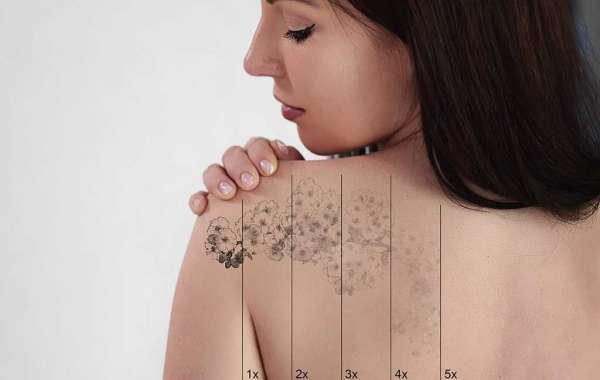

A tattoo may feel like a great idea when you first get it, but feelings and circumstances can change over time. A design that once represented an important moment may no longer match your personality, career, or lifestyle. Fortunately, tattoo regret does not have to be permanent. Laser Tattoo Removal in Dubai offers a modern approach to gradually fading unwanted tattoos and helping people feel more comfortable with their skin again.
Whether the tattoo is old, faded, poorly placed, or simply no longer meaningful, laser technology can target tattoo ink while leaving the surrounding skin largely unaffected. Understanding how the treatment works and what to expect can help you make an informed decision about removing unwanted body art.
Why Do People Regret Their Tattoos?
Tattoo regret can happen for many different reasons. Some people outgrow a design, while others may dislike the tattoo because of changes in personal relationships, career requirements, or lifestyle.
Common reasons for seeking tattoo removal include:
- A change in personal taste or identity
- An unwanted name, symbol, or design
- A tattoo that has faded or changed appearance
- Poor placement or an unsatisfactory tattoo design
- A desire for clearer-looking skin
- Professional or lifestyle considerations
Regret is also common when a tattoo no longer represents how someone sees themselves. Instead of continuing to live with an unwanted design, modern tattoo removal techniques can provide an option for gradually reducing its appearance.
How Does Laser Tattoo Removal Work?
Laser tattoo removal works by directing carefully controlled laser energy toward the tattoo pigments. The energy is absorbed by the ink, causing the pigment particles to break into much smaller fragments.
The body's natural processes can then gradually clear these fragmented particles over time. Because tattoo ink can sit at different depths within the skin, multiple treatment sessions are often needed rather than trying to remove everything at once.
The number of sessions can vary depending on several factors, including:
- Tattoo size and location
- Ink colors and pigment density
- Tattoo age
- Ink depth
- Skin type
- Type of tattoo
- How the skin responds to treatment
This gradual process is important because it allows the skin time to recover between sessions while the body works to eliminate the fragmented pigment.
What Makes Laser Tattoo Removal Different?
Older tattoo-removal methods could be more aggressive toward the skin. Modern laser technology is designed to focus energy on tattoo pigment, making it possible to approach removal with greater precision.
One of the major advantages of laser treatment is its ability to target unwanted ink without intentionally removing large areas of surrounding skin. Different laser wavelengths may also be used depending on the colors and characteristics of the tattoo.
However, tattoo removal is not an instant process. Some tattoos respond more readily than others, and complete removal cannot always be guaranteed. A qualified professional can assess the tattoo and explain what level of fading may realistically be expected.
What to Expect During a Laser Tattoo Removal Session
Before treatment, the tattoo and surrounding skin are typically assessed to determine an appropriate treatment approach. During the procedure, laser energy is delivered to the tattooed area.
Some people describe the sensation as similar to quick snapping or stinging against the skin. The experience can vary depending on the tattoo's location, size, ink density, and individual sensitivity.
After treatment, the area may temporarily appear red or swollen. These effects generally settle as the skin recovers. Following the recommended aftercare instructions is important for supporting proper healing and reducing unnecessary irritation.
Is Laser Tattoo Removal Suitable for Everyone?
Laser tattoo removal may be suitable for many people, but individual circumstances matter. A professional assessment is important before beginning treatment, particularly for people with certain skin conditions, recent tanning, or a history of unusual scarring.
It is also important to understand that different tattoo colors can respond differently to laser energy. Dark pigments are often easier to target, while some lighter or more resistant colors may require a different approach or a longer treatment process.
A proper consultation allows the treatment provider to examine the tattoo and skin before deciding on the most appropriate approach.
How to Support Your Skin After Treatment
Good aftercare can make the recovery period more comfortable and help protect the treated area. Following professional instructions should always take priority, but general care may include keeping the area clean, avoiding unnecessary irritation, and protecting the skin from excessive sun exposure.
You should also avoid picking, scratching, or deliberately disturbing the treated area while it heals. Giving the skin enough time to recover between sessions is an important part of the overall tattoo-removal process.
Regain Confidence After Tattoo Regret
Tattoo regret can affect how people feel about their appearance, especially when an unwanted design is highly visible. Choosing to remove or fade a tattoo can be a personal step toward feeling more comfortable in your own skin.
For people in Dubai considering tattoo removal, Laser Tattoo Removal in Dubai provides a technology-based option for gradually reducing unwanted ink. Results depend on the individual tattoo and skin, so realistic expectations and professional assessment are essential.
A tattoo may have been permanent when it was created, but modern laser technology can make its appearance significantly less noticeable over time. With the right treatment plan and appropriate aftercare, tattoo removal can help you move forward from a design that no longer represents who you are.
Frequently Asked Questions
1. Can laser tattoo removal completely remove a tattoo?
Some tattoos can be significantly faded or removed, but results vary. Factors such as ink color, tattoo depth, size, location, and skin type can influence the outcome.
2. How many laser tattoo removal sessions are needed?
There is no fixed number of sessions for every tattoo. The required treatment course depends on the tattoo's characteristics and how the individual's skin responds between sessions.
3. Is tattoo removal painful?
Laser tattoo removal can cause temporary discomfort, often described as a snapping or stinging sensation. The level of discomfort varies from person to person and depends on the treated area.
4. Can old tattoos be removed?
Older tattoos can still respond to laser treatment. However, the final result depends on the type and depth of the ink, the tattoo's characteristics, and individual skin response.