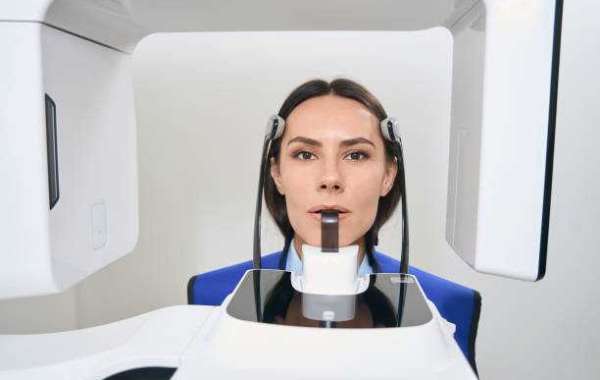

A Dental CBCT Scan in Dubai can provide detailed three-dimensional images of the teeth, jawbone, nerves, and surrounding oral structures. Unlike conventional dental X-rays that provide mainly two-dimensional views, CBCT technology creates a more comprehensive image that can help dental professionals examine areas that may be difficult to assess through standard imaging. This can be particularly useful when a more detailed view is needed for diagnosis or treatment planning.
What Is a Dental CBCT Scan?
CBCT stands for cone beam computed tomography. It is an advanced imaging technique that uses a cone-shaped X-ray beam to capture multiple images from different angles. These images are processed by specialized software to create a three-dimensional representation of the mouth and jaw.
A CBCT scan can show the relationship between teeth, bone, nerves, sinuses, and other anatomical structures. This detailed information can help a dentist understand the condition of a particular area before deciding on the appropriate next step.
The scan is not required for every dental examination. A dental professional generally recommends it when the additional information may contribute to diagnosis, planning, or evaluation of a complex dental concern.
How CBCT Supports Dental Diagnosis
Accurate diagnosis often depends on having enough information about the affected area. A traditional X-ray may be sufficient for many routine dental concerns, but some situations require a more detailed view.
A CBCT scan can help evaluate impacted teeth, unusual tooth positioning, jawbone structure, and complex root anatomy. It may also assist with examining certain oral and maxillofacial conditions where three-dimensional information is useful.
For example, when an impacted tooth is located close to important anatomical structures, a three-dimensional image can help the dental professional understand its position more clearly. Similarly, detailed imaging may be useful when evaluating complex root canal anatomy or planning certain surgical procedures.
The Role of Dental Clinic Imaging
A modern Dental Clinic may use CBCT imaging as part of a broader diagnostic process when conventional X-rays do not provide enough information. The scan is interpreted alongside the patient's dental history, clinical examination, symptoms, and other relevant diagnostic findings.
CBCT should not be viewed as a replacement for every type of dental X-ray. Instead, it is an additional imaging option that can provide valuable information when three-dimensional assessment is appropriate.
Dental professionals also consider factors such as the patient's age, clinical needs, the area being examined, and whether the expected diagnostic information justifies the exposure to radiation.
Dental CBCT Scan for Treatment Planning
Three-dimensional imaging can be especially useful during treatment planning. In implant dentistry, for instance, CBCT images can provide information about available bone and the position of important anatomical structures. This can support more informed planning before an implant procedure.
CBCT may also be used in selected orthodontic, oral surgery, endodontic, and restorative cases. The detailed images can help professionals assess anatomical relationships and identify factors that may influence clinical planning.
The purpose of the scan is not simply to produce more images. Its value comes from the additional information that may help a dental professional make an informed clinical decision.
What Happens During the Scan?
The scanning process is generally straightforward. The patient is positioned according to the type of scan required, and the CBCT equipment rotates around the head while capturing images.
Patients need to remain still during the scan so that movement does not affect image quality. Depending on the equipment and the area being examined, the scan itself may take only a short amount of time.
Before imaging, patients may be asked to remove items such as glasses, jewelry, or other objects that could interfere with the images. It is also important to tell the dental team about pregnancy or a possible pregnancy before undergoing X-ray-based imaging.
Understanding the Benefits and Limitations
One of the main advantages of CBCT is its ability to provide detailed three-dimensional information. This can help visualize structures from different angles and provide information that may not be available from a conventional two-dimensional image.
However, CBCT also has limitations. It involves radiation exposure, so it should be used when clinically justified. Image quality can also be affected by movement or certain types of artifacts.
For this reason, dental professionals typically choose imaging based on the individual clinical situation rather than automatically recommending CBCT for every patient.
Why Professional Interpretation Matters
A CBCT image contains a significant amount of anatomical information. Interpreting these images requires appropriate knowledge and training. A dental professional can assess the scan together with the patient's symptoms, examination findings, and dental history.
This combined approach is important because an imaging finding does not always explain a patient's symptoms by itself. Proper diagnosis requires consideration of the complete clinical picture.
Supporting Better Oral Health Decisions
A Dental CBCT Scan can provide valuable information when a detailed three-dimensional view is needed. From assessing complex tooth positions to supporting dental implant planning and evaluating anatomical structures, this technology can contribute to more informed dental decision-making.
Patients should discuss the reason for imaging with their dental professional and understand why a particular scan has been recommended. Choosing the appropriate diagnostic method can help ensure that imaging provides useful information while avoiding unnecessary exposure.
In conclusion, Dental CBCT Scan technology offers detailed three-dimensional imaging that can support diagnosis and careful dental planning. Combined with professional examination and appropriate oral care, it can help provide a clearer understanding of complex dental conditions and support informed decisions about maintaining healthy teeth and gums.