
Starting a new sexual relationship can be an important time to think about sexual health. A new partner does not mean that either person has an infection, but discussing testing and protection can help both partners make informed decisions.
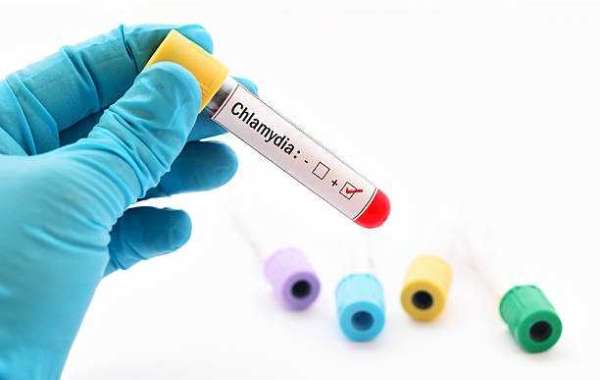
Chlamydia is particularly relevant because it can sometimes occur without noticeable symptoms. A person may feel completely healthy while still having an infection. A Chlamydia Test in Dubai can help identify whether chlamydia is present when testing is appropriate.
Testing can be especially useful when partners do not know their recent STI status, when there has been previous sexual exposure, or when either person has concerns about a possible infection.
When Can Testing Be Helpful?
There is no single testing schedule that applies to every person entering a new relationship. The appropriate approach depends on factors such as sexual history, previous testing, symptoms, and possible exposure.
Someone who has recently had unprotected sexual contact may wish to discuss testing with a healthcare professional. Testing may also be appropriate if a previous partner was diagnosed with chlamydia or another STI.
People should not assume that a lack of symptoms means testing is unnecessary. Many chlamydia infections can occur without obvious signs.
A healthcare professional can help determine which tests may be appropriate based on the person's individual circumstances.
Discussing Testing at Enfiled STD Clinic
At Enfiled STD Clinic, individuals seeking a Chlamydia Test in Dubai can discuss their sexual health concerns with a healthcare professional in a private setting.
A consultation may include questions about recent partners, possible exposure, symptoms, previous STI testing, and any treatment received in the past.
This information can help determine which type of sample may be suitable and whether testing for other infections should also be considered.
Patients should feel comfortable providing accurate information. Details about sexual exposure are medically relevant and can help ensure that testing is appropriately planned.
Should Both Partners Get Tested?
When starting a new sexual relationship, both partners may choose to discuss their STI testing history. Depending on their circumstances, both may also consider appropriate screening.
A person cannot determine another person's STI status simply by looking at them or asking whether they feel healthy. Some infections can remain asymptomatic.
Testing can provide more useful information than relying solely on symptoms.
If both partners have concerns, they can speak with healthcare professionals about which tests are appropriate and when they should be performed.
Why Chlamydia Can Be Difficult to Recognize
Chlamydia is sometimes described as a "silent" infection because many people may not experience noticeable symptoms.
When symptoms do occur, they can include burning during urination, unusual genital discharge, pelvic discomfort, or pain during sexual activity. Symptoms can vary according to the affected area.
However, these symptoms are not unique to chlamydia. Other infections and non-infectious conditions can cause similar problems.
This is why laboratory testing is important when chlamydia is suspected. Feeling well does not necessarily confirm that a person is free from infection.
When Should You Test With a New Partner?
The appropriate timing depends on the circumstances. If someone has had previous sexual exposure, they can discuss their testing history with a healthcare professional before becoming sexually active with a new partner.
If a new sexual exposure has already occurred, testing may need to be scheduled according to the timing of that exposure.
Testing too soon after exposure may not always detect an infection because there can be a period before the infection becomes detectable.
Rather than following a universal timeline, patients should discuss their specific situation with a qualified healthcare provider.
What Type of Chlamydia Test May Be Used?
Chlamydia testing can involve different types of samples depending on the patient's circumstances.
A urine sample may be used in some situations. Swab samples may also be appropriate depending on the anatomical area that could have been exposed.
The type of sexual contact can help determine which sites should be considered for testing.
This is important because testing one location does not necessarily provide information about every possible site of infection.
A healthcare professional can recommend an appropriate testing approach after discussing the patient's circumstances.
What If a New Partner Has Tested Positive?
If a new or current partner tells you they have been diagnosed with chlamydia, it is important to seek professional medical advice.
A healthcare professional can discuss whether testing and treatment are appropriate based on the exposure and timing.
People should avoid blaming themselves or their partners. A chlamydia diagnosis does not necessarily establish when an infection was acquired because the infection can remain unnoticed.
The important step is to obtain appropriate medical evaluation and follow the recommended treatment or testing plan.
What Does a Negative Result Mean?
A negative chlamydia result means the test did not detect chlamydia in the sample that was tested.
However, the meaning of a negative result can depend on when the test was performed and which anatomical site was tested.
If testing occurred shortly after possible exposure, a healthcare professional may advise whether repeat testing is appropriate.
A negative chlamydia result also does not automatically mean that a person has tested negative for every other STI. Different infections require different diagnostic tests.
What Happens If the Result Is Positive?
A positive result generally means that chlamydia was detected in the tested sample. The person should discuss the result with a qualified healthcare professional.
Chlamydia is treatable with appropriate antibiotics. Patients should follow the prescribed treatment instructions and avoid taking medication without professional guidance.
Healthcare professionals may also discuss partner management. Recent sexual partners may need evaluation, testing, or treatment depending on the circumstances.
Following medical advice can help reduce the chance of continuing transmission or becoming infected again.
Does Previous Treatment Protect Against Future Infection?
Previous treatment for chlamydia does not provide permanent protection.
A person can become infected again after another exposure. This means that even someone who has successfully completed treatment should continue to consider appropriate prevention and screening.
A new sexual partner can therefore be a reasonable opportunity to discuss sexual health, recent testing, and protective measures.
Condoms and other barrier methods can reduce the risk of many sexually transmitted infections when used correctly.
Should You Test for Other STIs?
Chlamydia is only one of several sexually transmitted infections. Depending on individual circumstances, a healthcare professional may recommend broader sexual health screening.
Possible tests may include screening for gonorrhea, HIV, syphilis, hepatitis, or other infections.
The appropriate tests depend on factors such as symptoms, sexual exposure, previous testing, vaccination status, and medical history.
If a person is entering a new relationship and wants a broader understanding of their sexual health, they can discuss these options with a healthcare professional.
How Partners Can Talk About Testing
Conversations about STI testing can sometimes feel uncomfortable, but they can be approached respectfully and without blame.
Partners can discuss when they were last tested, whether they have received treatment for an STI, and what protection they plan to use.
Neither partner should assume that testing is an accusation. Sexual health screening can simply be part of responsible healthcare, particularly when starting a new relationship.
Honest communication can also make it easier to seek medical care if an infection is identified.
Protecting Sexual Health in a New Relationship
Testing is one part of sexual health protection. Using condoms correctly, communicating openly with partners, and following recommended screening schedules can also help reduce STI risks.
People who have multiple partners or other factors associated with increased STI exposure may benefit from discussing appropriate screening frequency with a healthcare professional.
If symptoms appear at any point, medical advice should be sought rather than assuming that the symptoms will resolve without evaluation.
Final Thoughts
A new sexual partner can be an appropriate time to think about STI screening and prevention. A Chlamydia Test in Dubai can help determine whether chlamydia is present when testing is appropriate, including when someone has concerns about previous exposure or does not know their recent sexual health status.
Because chlamydia can occur without noticeable symptoms, relying only on how someone feels is not enough to determine infection status. Timing, sample type, and the anatomical site tested can also affect the testing approach.
Open communication, appropriate testing, and safer-sex practices can help partners make informed decisions about their sexual health. If you have recently started a new relationship or have concerns about a possible exposure, speaking with a qualified healthcare professional can help you understand which testing options may be appropriate.