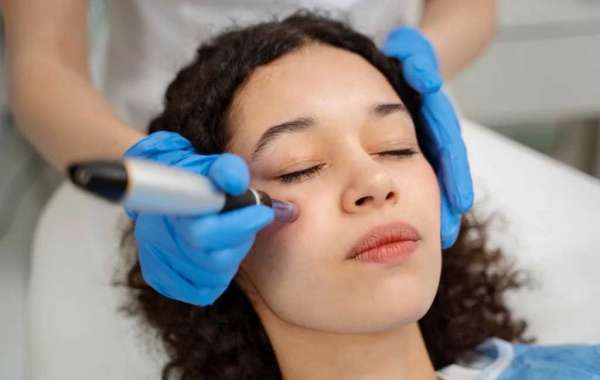

Birthmarks are common skin features that can vary in color, size, shape, and texture. While many are harmless and require no treatment, some people choose to have them treated because of their appearance, location, or changes over time. If you are considering Birthmarks Removal Treatment in Dubai, preparing your skin and understanding what to expect can help make the treatment process smoother.
The right preparation depends on the type of birthmark, its location, your skin type, and the treatment method recommended during your consultation. Birthmarks may sometimes be treated with laser therapy, medication, or surgical methods, depending on their characteristics. A proper skin assessment is therefore an important first step.
Understand Your Birthmark Before Treatment
Before planning removal, it is important to know what type of birthmark you have. Some birthmarks naturally fade with time, while others, including certain moles, café-au-lait spots, and port-wine stains, may remain.
A dermatologist can examine the area and determine whether treatment is appropriate. The recommended approach can also vary depending on whether the birthmark is pigmented, vascular, raised, flat, small, or extensive.
During your consultation, discuss:
- The type and characteristics of your birthmark
- Your skin type and sensitivity
- Previous skin treatments
- Any medications or supplements you take
- Your expectations from treatment
- Possible side effects and recovery requirements
Having realistic expectations is particularly important because some birthmarks may require multiple treatment sessions rather than disappearing after a single appointment.
Protect Your Skin From the Dubai Sun
Sun protection is one of the most important parts of preparing for laser-based skin treatments. Exposure to strong sunlight can increase pigmentation and may make certain laser treatments unsuitable if the skin becomes tanned. Medical guidance for laser procedures commonly recommends avoiding tanning and protecting the treatment area from ultraviolet exposure before treatment.
This is especially relevant in Dubai, where outdoor sun exposure can be significant throughout much of the year.
Before your appointment:
- Apply broad-spectrum sunscreen as recommended by your practitioner.
- Avoid intentional tanning and sunbathing.
- Limit prolonged direct sunlight.
- Consider wearing a hat or protective clothing when outdoors.
- Follow any specific sun-protection instructions given during your consultation.
Do not assume that a tan is harmless simply because the birthmark itself is the treatment target. The surrounding skin also matters when preparing for laser procedures.
Avoid Tanning Products Before Treatment
Fake tan and tanning products can also interfere with some laser procedures. Certain treatment centers advise avoiding artificial tanning as well as natural tanning before laser treatment because treated skin needs to be as close to its normal tone as possible.
If you regularly use self-tanning products, ask when you should stop using them before your appointment. Do not restart them until your skin has completely recovered unless your practitioner specifically advises otherwise.
Tell Your Practitioner About Medications and Skin Conditions
Your medical and skincare history can affect treatment planning. Make sure you provide accurate information about prescription medicines, over-the-counter medications, supplements, allergies, previous procedures, and relevant skin conditions.
Some medicines or supplements can influence healing or increase the likelihood of unwanted reactions with certain laser procedures. For this reason, you should never stop a prescribed medication on your own. Instead, ask your healthcare professional whether any changes are necessary before treatment.
Also mention if you have experienced conditions such as cold sores around the area being treated. Some treatment providers may recommend postponing treatment if there is an active skin infection or similar problem.
Keep Your Skincare Routine Simple
In the days leading up to your appointment, avoid experimenting with new or potentially irritating skincare products on the treatment area. Your skin should be in a calm and healthy condition before a procedure.
Depending on the treatment method, you may be asked to temporarily avoid certain exfoliating or active skincare products. Follow the personalized instructions provided after your skin assessment rather than copying someone else's routine.
On the day of laser treatment, some medical centers recommend arriving with the treatment area clean and free from makeup, moisturizer, sunscreen, perfume, or other cosmetic products.
Prepare for the Treatment Appointment
Knowing what will happen during the appointment can make the process feel more comfortable. Depending on the type of birthmark and treatment, the practitioner may use a test patch to see how your skin responds before proceeding with a larger treatment area.
Laser treatment may involve short pulses of light directed at the birthmark. For some vascular birthmarks, such as port-wine stains, pulsed dye laser treatment is commonly used because the laser targets blood vessels within the affected area.
Your practitioner should explain the expected sensations, possible temporary skin changes, aftercare instructions, and whether several sessions may be required.
Plan Your Schedule Around Recovery
Preparation should not stop once you leave the treatment room. Your skin may be sensitive afterward, and your practitioner may recommend avoiding activities that could irritate the treated area.
Depending on the procedure, you may need to temporarily avoid:
- Swimming
- Saunas and steam rooms
- Intense exercise
- Excessive heat
- Scratching or rubbing the treated skin
- Certain cosmetics or skincare products
Some laser-treatment guidance recommends avoiding swimming and activities that cause friction or heat while the treated skin is healing.
If your schedule includes a beach visit, outdoor event, swimming session, or holiday in a sunny location, discuss the timing with your practitioner beforehand.
Follow Aftercare Instructions Carefully
Successful birthmark treatment is not only about the procedure itself. Proper aftercare helps protect the treated skin while it heals.
Temporary redness, swelling, bruising, blistering, or crusting can occur after some laser procedures. If crusts or scabs develop, they should generally be left alone rather than picked, as disturbing healing skin can increase the risk of complications.
Sun protection remains important after treatment because recently treated skin can be more sensitive to ultraviolet exposure. Your practitioner should provide specific instructions regarding sunscreen, skincare, and when normal activities can be resumed.
What to Expect From Birthmarks Removal Treatment in Dubai
It is helpful to understand that birthmark removal is not always an instant process. Depending on the type and appearance of the birthmark, several sessions may be recommended, with time between treatments to allow the skin to recover.
For example, laser treatment for certain vascular birthmarks is often performed as a series of sessions. The number and spacing of treatments depend on factors such as the type, size, location, and response of the birthmark.
Your individual treatment plan should therefore be based on a professional assessment rather than a fixed schedule found online.
Final Thoughts
Preparing properly can make Birthmarks Removal Treatment in Dubai a more organized and informed experience. Start with a professional assessment, protect your skin from the strong Dubai sun, disclose your medications and skin history, keep the treatment area free from unnecessary irritation, and plan enough time for recovery.
Most importantly, follow personalized medical instructions before and after your procedure. With appropriate preparation and realistic expectations, you can approach your birthmark treatment with greater confidence and a clearer understanding of the process.