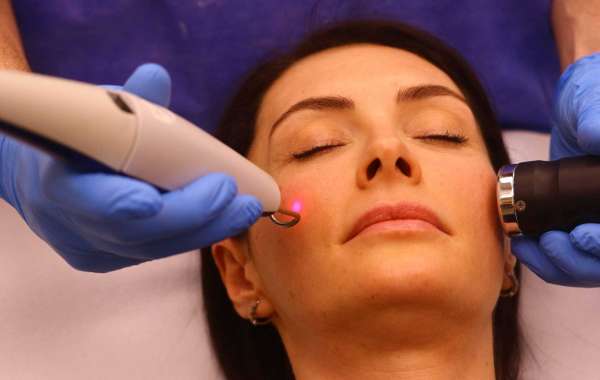

Undergoing Fractional CO2 Laser Treatment in Dubai can help improve the appearance of acne scars, uneven texture, fine lines, enlarged pores, and other visible skin concerns. However, the treatment is only one part of the process. Proper aftercare plays an important role in allowing the skin to heal comfortably and helping you maintain the results.
Fractional CO2 laser resurfacing works by creating microscopic treatment zones in the skin while leaving surrounding tissue intact. Because the skin needs time to repair itself, temporary redness, swelling, sensitivity, dryness, and peeling can occur during recovery.
What to Expect After Fractional CO2 Laser Treatment
The recovery experience can vary depending on the treatment intensity, the area treated, and your individual skin characteristics. Fractional resurfacing generally has a shorter recovery period than fully ablative resurfacing because only portions of the skin are treated.
Immediately after treatment, the skin may feel warm, tight, or similar to a mild sunburn. Redness and swelling are common, while dryness and peeling may develop several days later. Cleveland Clinic notes that fractional laser resurfacing may require around one week of recovery, although individual healing times can differ.
It is important not to judge your final results while your skin is still healing. Texture and overall appearance can continue improving as the skin undergoes its natural renewal process.
Keep Your Skin Clean and Gentle
One of the most important parts of fractional laser aftercare is keeping your skincare routine simple. Newly treated skin can be sensitive, so aggressive cleansing, exfoliation, or unnecessary products may cause irritation.
Follow the specific cleansing instructions provided after your treatment. Use gentle movements rather than rubbing or scrubbing the treated area. Your recommended moisturizer or protective ointment can help maintain the skin barrier while it heals.
During the early recovery period, avoid introducing products that have not been recommended for post-laser skin. In particular, exfoliating acids, retinoids, and other potentially irritating active ingredients may need to be paused until the skin has sufficiently recovered.
Protect Your Skin From the Dubai Sun
Sun protection is especially important after laser resurfacing. Newly treated skin is more vulnerable to irritation and pigmentation changes, and ultraviolet exposure can interfere with the healing process.
For people recovering from Fractional CO2 Laser Treatment in Dubai, limiting direct sun exposure is particularly practical because Dubai experiences strong sunlight for much of the year. When your skin has healed sufficiently and your treatment provider confirms that sunscreen is appropriate, use a broad-spectrum sunscreen with SPF 30 or higher.
Additional protection can include:
- Staying in the shade when outdoors
- Wearing a wide-brimmed hat
- Avoiding prolonged direct sunlight
- Reapplying sunscreen as directed
- Avoiding tanning beds and intentional tanning
Sun protection should become part of your regular skincare routine rather than something used only during recovery.
Don't Pick, Peel, or Scratch Flaking Skin
Peeling can be a normal part of the recovery process. As treated skin dries and sheds, you may feel tempted to remove loose flakes manually. Resist that urge.
Picking or scratching healing skin can increase irritation and may contribute to scarring or infection. Instead, allow the skin to shed naturally and continue using the gentle products recommended for your recovery.
If the skin feels uncomfortable, a cool compress may provide temporary relief during the early recovery period. However, avoid placing ice directly against the skin.
Avoid Heat, Heavy Exercise, and Irritating Treatments
Your skin may be more sensitive to heat and irritation during the first part of recovery. Depending on the intensity of your treatment, you may be advised to temporarily avoid activities that cause significant flushing or sweating.
This can include strenuous exercise, very hot showers, saunas, steam rooms, and other heat-producing activities. Your individual aftercare instructions should take priority because recovery recommendations can vary according to treatment settings and skin response.
It is also sensible to postpone other aggressive facial procedures until your skin has recovered. Combining multiple irritating treatments too close together can place additional stress on the skin barrier.
Keep Your Skincare Routine Simple
After laser resurfacing, more skincare does not necessarily mean faster recovery. A basic routine is often easier for sensitive skin to tolerate.
A post-treatment routine may include:
- Gentle cleansing as instructed.
- A suitable moisturizer or protective product recommended for healing skin.
- Sun protection once your skin is ready for sunscreen.
- Avoidance of irritating active ingredients until cleared to restart them.
Ingredients such as retinoids and glycolic acid may need to be avoided for a period after resurfacing. Cleveland Clinic recommends waiting until the skin has recovered before restarting stronger products, with timing determined by the healthcare provider.
This is also a good time to avoid experimenting with new skincare products. Stick with products you know are suitable for your skin or those specifically recommended for your recovery.
Stay Patient While Your Skin Improves
One common mistake after Fractional CO2 Laser Treatment in Dubai is expecting the skin to look completely refreshed immediately. While some improvements may become noticeable relatively early, the skin continues to change as healing progresses.
Redness can remain visible for some time after resurfacing, and the treated area may initially appear pink as new skin develops. Gradual improvement is normal, and the exact timeline varies between individuals and treatment intensity.
Maintaining a consistent skincare routine and protecting your skin from the sun can support the recovery process.
When Should You Contact a Professional?
Most post-laser symptoms are temporary, but you should pay attention to changes that appear unusual or become progressively worse.
Contact your treatment provider if you experience increasing pain, significant swelling, worsening warmth, pus-like drainage, fever, or other symptoms that concern you. These can be signs of infection or another complication that needs professional assessment.
Do not try to treat unexpected complications yourself with strong skincare products or home remedies. Prompt professional guidance is the safer approach.
Final Thoughts
Recovering properly after Fractional CO2 Laser Treatment in Dubai requires patience, gentle skincare, and consistent protection from the sun. Redness, sensitivity, dryness, and peeling can occur as the skin repairs itself, but these effects generally improve as healing progresses.
The most important rule is to follow the personalized aftercare instructions provided after your treatment. Avoid picking or irritating the skin, keep your routine simple, protect your face from Dubai's strong sun, and give your skin enough time to recover before returning to your usual active skincare routine.
FAQs
1. How long does recovery take after fractional CO2 laser treatment?
Recovery varies depending on the treatment intensity and individual healing. Fractional resurfacing may require around a week of recovery, while redness or sensitivity can last longer.
2. Can I go outside after fractional CO2 laser treatment?
You should limit direct sun exposure during recovery. Once your skin is ready for sunscreen, use broad-spectrum SPF 30 or higher and add physical protection such as shade and a hat.
3. Can I use retinol after fractional CO2 laser treatment?
Retinol and other potentially irritating active ingredients may need to be paused while the skin heals. Restart them only when your treatment provider confirms that your skin is ready.
4. Should I peel off the skin after laser treatment?
No. Allow peeling skin to shed naturally. Picking or scratching can increase irritation and may raise the risk of scarring or infection.