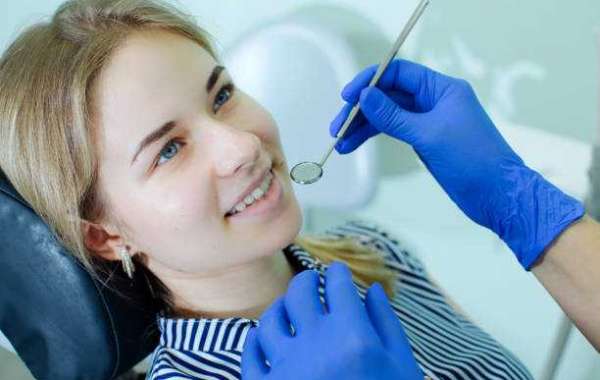

A Ceramic Crown in Dubai can improve the appearance of a tooth that is damaged, severely discolored, misshapen, or weakened. While a crown is primarily a restorative solution, modern ceramic materials can also provide an aesthetic result that blends naturally with surrounding teeth. Understanding how crowns contribute to smile improvement can help patients know what to expect from the process.
How Ceramic Crowns Improve a Smile
A damaged tooth can affect the balance and appearance of the entire smile. A ceramic crown covers the visible portion of the affected tooth and can restore its shape, proportions, and color.
The restoration is customized according to the patient's individual dental structure. This allows the dentist to consider the size, position, shade, and appearance of neighboring teeth when designing the crown.
Natural-Looking Tooth Color
Ceramic materials can be selected and customized to resemble natural enamel. The dentist can compare the proposed shade with surrounding teeth to create a harmonious appearance.
Natural teeth are not completely uniform in color, so factors such as translucency and surface characteristics may also be considered. The goal is generally to create a restoration that fits naturally into the existing smile.
Correcting a Damaged Tooth
Chipped, fractured, or severely worn teeth can change the overall appearance of a smile. A crown can restore the visible shape of a tooth while also providing coverage for the remaining structure.
The extent of correction depends on the condition of the tooth. A professional assessment is necessary to determine whether a crown is appropriate or whether a less extensive cosmetic option may be sufficient.
Dental Clinic: Planning a Natural Smile
A professional Dental Clinic can assess your tooth and discuss your aesthetic goals before designing a ceramic crown. The dentist may examine your bite, gumline, surrounding teeth, and overall smile.
Digital scans, photographs, or dental impressions may be used during the planning process. These tools can help the dental team design a restoration that fits both the tooth and the surrounding smile.
Improving Tooth Shape
An irregularly shaped tooth can stand out when you smile. A ceramic crown can be customized to restore a more balanced shape when sufficient tooth structure and appropriate dental conditions are present.
The dentist considers the natural proportions of neighboring teeth when determining the crown's dimensions. This helps avoid a restoration that appears noticeably too large or too small.
Supporting a Balanced Smile
A smile involves more than individual tooth color. Tooth position, shape, spacing, gum appearance, and the relationship between the upper and lower teeth all contribute to its overall appearance.
When a single tooth is damaged, restoring its shape and proportion can help create a more balanced look. The final result depends on the patient's natural dental anatomy and the restoration plan.
Functional Benefits
Although appearance may be an important reason for choosing ceramic, a crown also serves a functional purpose. It can restore the external form of a damaged tooth and help it participate in normal chewing.
The dentist checks the bite during the fitting process to make sure the restoration works comfortably with the opposing teeth. Proper bite adjustment is important for both comfort and long-term function.
When a Ceramic Crown May Be Considered
A crown may be considered for a tooth with extensive decay, significant fractures, large existing fillings, severe wear, or substantial discoloration combined with structural concerns.
However, cosmetic improvement alone does not always mean that a crown is the best choice. Depending on the tooth's condition, options such as veneers, bonding, or professional whitening may sometimes be considered.
Maintaining the Improved Appearance
A ceramic crown does not require special cosmetic products to maintain its appearance. Good daily oral hygiene and regular dental visits are important for keeping the restoration and surrounding teeth clean.
Avoiding habits such as chewing ice, biting hard objects, or using the teeth to open packages can help reduce unnecessary stress on the crown.
What Patients Should Expect
The final appearance of a ceramic crown depends on several factors, including the selected material, shade, tooth preparation, gum health, and surrounding teeth. A dentist can explain what is realistically achievable before the restoration is created.
It is also important to understand that the crown covers only the restored tooth. Maintaining the appearance of the rest of the smile requires continued dental care and healthy habits.
Final Thoughts
A Ceramic Crown can improve the appearance of a damaged or structurally compromised tooth while also restoring its everyday function. Careful shade selection, customized design, accurate fitting, and good oral hygiene all contribute to a natural-looking result. Regular dental care can help maintain the restoration and support a healthy, balanced smile for the long term.