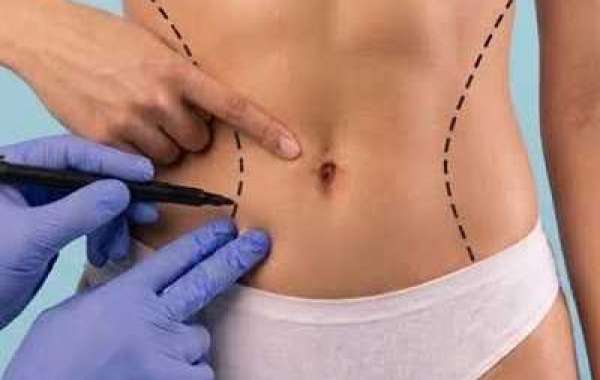

How to Prepare for Liposuction Surgery SuccessfullyLiposuction Surgery is a popular cosmetic procedure designed to remove stubborn pockets of localized fat that may not respond easily to diet and exercise. While the procedure can help improve body contours, successful results depend on more than what happens in the operating room. Careful preparation, realistic expectations, healthy habits, and proper aftercare all play important roles in the overall experience.
Anyone considering Liposuction Surgery can benefit from understanding what should happen before the procedure. Good preparation can help reduce avoidable risks, support a smoother recovery, and make it easier to follow postoperative instructions. A qualified medical professional should always assess whether the procedure is appropriate for an individual because liposuction is a body-contouring treatment rather than a substitute for weight loss.
Understand What Liposuction Surgery Can and Cannot Do
Before preparing for surgery, it is important to understand the purpose of Liposuction Surgery. The procedure is generally used to remove excess fat from specific areas of the body, such as the abdomen, thighs, hips, arms, back, or under the chin.
Liposuction is not intended to treat obesity or replace a healthy lifestyle. It works best for people who are relatively close to their healthy or stable weight but have localized areas of fat that are resistant to conventional efforts.
Having realistic expectations is one of the most important parts of preparation. Liposuction can improve body contours, but it cannot guarantee perfection or prevent future weight gain. The final appearance can also depend on factors such as skin elasticity, age, genetics, and the amount of fat removed.
A consultation with a qualified surgeon is therefore essential. During the consultation, the surgeon can evaluate overall health, discuss treatment goals, explain possible risks, and determine whether Liposuction Surgery is suitable.
Complete a Thorough Medical Consultation
A detailed medical assessment should take place before Liposuction Surgery. The medical professional may ask about previous operations, allergies, existing health conditions, medications, supplements, and lifestyle habits.
Patients should provide complete and accurate medical information. Even details that seem unrelated can be important when assessing surgical safety.
Depending on the individual's circumstances, the healthcare team may recommend blood tests, a physical examination, or other medical evaluations. The surgeon may also discuss the type of anesthesia that could be used and explain what to expect during the procedure.
Medication and supplement use deserves particular attention. Some medicines and supplements can affect bleeding, blood pressure, or the body's response to anesthesia. Patients should never stop prescribed medication on their own. Instead, they should follow specific instructions from their healthcare provider about which medicines or supplements should be continued, adjusted, or temporarily stopped.
This consultation is also the right time to ask questions. Understanding the expected recovery period, activity restrictions, possible complications, and follow-up schedule can make the preparation process much less stressful.
Follow Healthy Habits Before Surgery
Good general health can support the body's ability to recover after surgery. In the weeks leading up to Liposuction Surgery, patients should focus on balanced nutrition, adequate hydration, regular sleep, and appropriate physical activity.
A nutritious diet should include sufficient protein, vegetables, fruits, whole grains, and other nutrient-rich foods. Protein is particularly important because the body needs it for tissue repair. Staying adequately hydrated can also support normal body functions before and after the procedure.
Crash diets and rapid weight-loss programs should generally be avoided before surgery. Significant changes in body weight can affect treatment planning and may make it harder to maintain stable results.
Smoking and nicotine use are especially important considerations. Nicotine can interfere with circulation and wound healing and may increase the risk of certain complications. Anyone who smokes or uses nicotine products should discuss this openly with the healthcare team and follow their recommendations about stopping before surgery and during recovery.
Alcohol should also be discussed with the medical team. Depending on individual circumstances and surgical instructions, patients may need to avoid alcohol before the procedure.
Prepare the Body and Home for Recovery
Successful preparation is not limited to medical appointments. Making practical arrangements at home can make the first few days after Liposuction Surgery much easier.
Patients should arrange transportation to and from the procedure because driving may not be safe immediately afterward, particularly if anesthesia or sedating medication is involved. It can also be helpful to arrange for a responsible adult to stay nearby during the initial recovery period if recommended by the healthcare team.
The home should be organized before surgery. Frequently used items can be placed within easy reach so that unnecessary bending, stretching, or lifting can be avoided. Comfortable, loose-fitting clothing is usually more convenient than tight garments during the early recovery period.
Patients may also be instructed to wear a compression garment after surgery. These garments can provide support and help manage swelling when used according to professional instructions.
Food, water, prescribed medications, and basic household necessities should be available in advance. Preparing meals beforehand can be particularly useful because energy and mobility may be temporarily reduced.
Follow Pre-Surgery Instructions Carefully
The healthcare team will provide specific instructions before Liposuction Surgery. These instructions can vary depending on the patient's health, the surgical technique, and the type of anesthesia being used.
One important instruction may involve fasting before surgery. Patients should follow the exact timing provided by the medical team rather than relying on general advice found online.
Preoperative skin-care instructions may also be provided. Patients should follow recommendations regarding bathing, shaving, lotions, creams, or other products before surgery.
It is equally important to avoid making last-minute changes to medication routines without professional guidance. If there is any uncertainty about a medicine, vitamin, herbal product, or supplement, the healthcare provider should be contacted.
Patients should also notify the surgical team if they develop an illness, fever, skin infection, or other significant health problem before the scheduled procedure. In some cases, postponing surgery may be safer than proceeding while the body is unwell.
Plan for Recovery and Protect the Results
Recovery after Liposuction Surgery varies from person to person. Swelling, bruising, soreness, and temporary changes in sensation can occur during the healing period. These effects generally improve gradually, but the timeline can differ depending on the treatment area and amount of fat removed.
Following postoperative instructions is essential. Patients may be advised to walk gently soon after surgery to support circulation, while strenuous exercise and heavy lifting may need to be avoided for a period of time.
Follow-up appointments allow the healthcare provider to monitor healing and identify potential problems early. Patients should attend all recommended appointments even if recovery appears to be progressing normally.
It is also important to be patient with the final results. Swelling can temporarily hide the body's new contours, meaning the appearance immediately after surgery may not represent the final outcome. Gradual improvement is common as swelling decreases and tissues heal.
Maintaining a stable weight after recovery can help preserve the results. Liposuction permanently removes fat cells from treated areas, but remaining fat cells can still enlarge if significant weight is gained. A balanced diet and regular physical activity therefore remain important after the procedure.
Know the Possible Risks and Warning Signs
Like any surgical procedure, Liposuction Surgery carries potential risks. Possible complications can include infection, bleeding, fluid accumulation, changes in sensation, contour irregularities, scarring, blood clots, or reactions related to anesthesia. The likelihood of complications varies depending on individual health and the extent of treatment.
Patients should receive clear information about warning signs before leaving the surgical facility. Severe or worsening pain, significant swelling, difficulty breathing, chest pain, persistent fever, unusual drainage, or other concerning symptoms should receive prompt medical attention.
Understanding potential complications does not mean expecting them to occur. Instead, awareness allows patients to recognize when professional advice may be necessary.
The safest approach is to choose an appropriately qualified medical professional, provide complete medical information, follow preparation instructions carefully, and take postoperative guidance seriously.
Frequently Asked Questions
1. Is Liposuction Surgery a weight-loss treatment?
Liposuction Surgery is primarily a body-contouring procedure rather than a weight-loss treatment. It is generally intended for removing localized areas of excess fat in people who are already relatively close to a stable or healthy weight. Healthy eating and regular exercise remain important for overall weight management.
2. What should a person avoid before Liposuction Surgery?
The healthcare team may recommend avoiding smoking or nicotine, alcohol, certain medications, and some supplements before surgery. The exact instructions vary between individuals. No medication should be stopped without guidance from the appropriate healthcare professional.
3. How long should someone prepare before liposuction?
Preparation time depends on the individual's health, surgical plan, and medical requirements. Some people may need several weeks to make lifestyle changes, complete medical evaluations, or arrange recovery support. The surgeon or healthcare team can provide a personalized preparation timeline.
4. What should be arranged at home before surgery?
Patients can prepare by arranging transportation, organizing comfortable clothing, preparing meals, keeping essential items within easy reach, and arranging help if needed. Having a calm and convenient recovery environment can make the early postoperative period more comfortable.
5. When can normal activities resume after Liposuction Surgery?
Recovery varies depending on the treatment area, surgical extent, overall health, and individual healing. Light movement may be encouraged relatively early, while strenuous exercise and heavy lifting may need to wait longer. Patients should follow their healthcare provider's specific instructions rather than comparing their recovery with someone else's.
6. How can the results of Liposuction Surgery be maintained?
Maintaining a stable weight, eating a balanced diet, staying physically active, and following a healthy lifestyle can help preserve the body's improved contours. Although fat cells are removed from treated areas, remaining fat cells can still increase in size with substantial weight gain.
Read More About Liposuction Surgery: https://xtiles.app/6ab4b61d9a0a74003f8bf6a0



