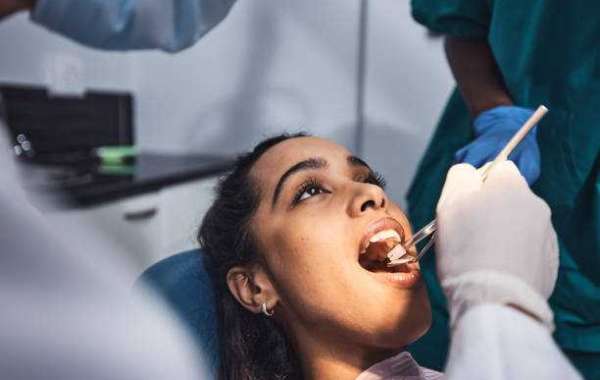

Preserving a natural tooth is often an important goal in modern dental care. Root Canal Treatment in Dubai can be used when infection or inflammation affects the pulp inside a tooth, allowing the dentist to remove the damaged tissue while keeping the remaining tooth structure when it is restorable. Understanding how the procedure works and how to care for the treated tooth can help support long-term dental health.
Why Preserving a Natural Tooth Matters
Natural teeth play an important role in chewing, speaking, and maintaining the normal arrangement of the mouth. When a tooth is removed, the neighboring teeth can gradually shift into the empty space, potentially affecting the bite.
Whenever a damaged tooth can be predictably restored, treating it rather than removing it may help maintain the natural dental structure. Root canal therapy is one approach used when the pulp inside the tooth has become infected or severely inflamed.
However, preservation is not always possible. The condition of the tooth, the extent of damage, and the amount of healthy structure remaining all influence the treatment decision.
How Infection Can Affect a Tooth
The center of a tooth contains soft pulp made up of nerves, blood vessels, and connective tissue. Deep decay can allow bacteria to reach this area and cause inflammation or infection.
A crack, dental injury, or repeated procedures on the same tooth can also affect the pulp. Symptoms may include persistent toothache, sensitivity to temperature, pain while chewing, swelling, or tenderness around the gums.
Some teeth may have significant internal damage without producing obvious symptoms. Regular dental examinations can therefore be useful even when there is no ongoing pain.
How Root Canal Treatment Preserves the Tooth
During root canal therapy, the dentist removes the damaged or infected pulp from inside the tooth. The root canals are then cleaned and shaped to remove bacteria and debris.
After cleaning, the canals are filled with a suitable material and sealed. This closes the internal spaces and helps prevent bacteria from entering again.
The remaining tooth structure is then restored. Depending on its condition, this may involve a filling or a dental crown. The purpose is to return the tooth to useful function while providing appropriate protection.
Dental Clinic: Supporting Natural Tooth Preservation
An experienced Dental Clinic can evaluate whether a tooth is suitable for root canal therapy and restoration. The dentist may use clinical examination, dental X-rays, and other diagnostic methods to assess the roots and surrounding tissues.
The consultation can also help determine whether additional procedures are necessary. If the tooth has lost considerable structure, a crown may be recommended to strengthen and protect it.
Each case is different, so the appropriate restoration depends on factors such as tooth location, remaining structure, bite forces, and overall oral health.
Why a Dental Crown May Be Important
A tooth that has undergone root canal therapy may have lost a significant amount of structure because of decay, cracks, or previous dental work. This can make it more vulnerable to fracture.
A dental crown covers and protects the remaining tooth structure when a crown is considered appropriate. It can also help restore the shape and function of the tooth.
Not every treated tooth necessarily requires the same restoration. Your dentist can assess the tooth and explain which option is appropriate for its condition.
Maintaining the Treated Tooth
Root canal therapy does not eliminate the need for regular dental care. The treated tooth should continue to be brushed and cleaned between the teeth just like the rest of the mouth.
Using fluoride toothpaste, maintaining good oral hygiene, and attending routine dental examinations can help reduce the risk of new decay and gum problems.
It is also important to avoid habits that place excessive force on teeth, such as biting hard objects. Protecting dental restorations can help them remain functional for longer.
What If the Tooth Cannot Be Preserved?
Although root canal therapy can help save many damaged teeth, some teeth may not be suitable for restoration. A severe vertical fracture, extensive loss of tooth structure, or other complications can affect the possibility of successful treatment.
If preservation is not possible, the dentist can discuss alternative options for replacing the missing tooth. These may include dental implants, bridges, or other restorative solutions depending on the patient's needs.
The appropriate choice should be based on a professional assessment rather than symptoms alone.
The Importance of Early Dental Care
Seeking dental attention when symptoms first appear may help identify problems before they become more advanced. Persistent sensitivity, toothache, swelling, or discomfort while chewing should be evaluated rather than ignored.
Early diagnosis does not guarantee that root canal therapy will be necessary, but it allows the dentist to identify the source of the problem and discuss suitable treatment options.
Final Thoughts
Root Canal Treatment can help protect a natural tooth when the pulp has become infected or seriously damaged and the tooth remains suitable for restoration. Removing the affected tissue, cleaning the canals, sealing them, and completing the appropriate restoration can help return the tooth to normal function. Consistent oral hygiene and regular dental checkups remain essential for protecting the treated tooth and the rest of your smile.