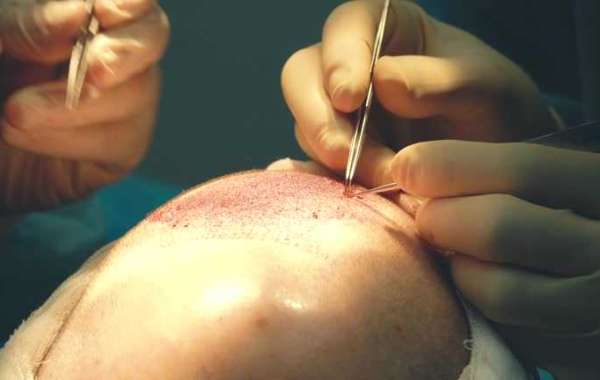

Temporary shedding can occur after FUT Hair Transplant in Dubai, and it can be surprising when newly transplanted hairs appear to fall out. In many cases, the visible hair shaft sheds while the follicle remains beneath the skin and later enters a new growth cycle.
Understanding this difference helps patients avoid mistaking a normal stage of recovery for treatment failure.
The Hair Shaft and Follicle Are Not the Same
A transplanted follicle contains the structures responsible for producing hair.
The visible shaft is the part that grows above the skin.
After transplantation, the existing shaft may shed while the follicle remains viable. New growth can then develop after the follicle moves through its natural cycle.
This is why visible shedding does not automatically mean that the graft has been lost.
Temporary Shedding Can Happen After Surgery
Surgery creates a temporary physical stress on the scalp.
As follicles respond to this change, some hairs can enter a resting phase. This may affect transplanted hairs and, in some cases, nearby native hairs.
The timing and extent can vary between patients.
Shock Loss Can Affect Native Hair
Another phenomenon is temporary shedding of existing hair around the treatment area.
This can occur when native follicles are affected by the physical stress of surgery.
Patients who already have fragile or miniaturized hairs may be more concerned when this happens because the temporary loss can make thinning appear more obvious.
Your surgeon can assess whether the affected hairs are expected to recover.
The Shedding Phase Can Change the Appearance of the Scalp
During this stage, the recipient area may temporarily appear:
- Thinner than expected
- Uneven
- Less dense
- Similar to the pre-treatment appearance
This can be frustrating, particularly for patients who expected continuous visible improvement.
However, the early appearance does not predict the final density.
New Growth Happens Later
Once follicles move through the resting phase, new hair can gradually emerge.
Early hairs may be fine and difficult to notice.
With time, they may become:
- Longer
- Thicker
- More pigmented
- Easier to style
- Better blended with existing hair
The process is gradual rather than immediate.
Avoid Trying to Stop Normal Shedding Yourself
Patients sometimes respond to shedding by aggressively touching the scalp, changing products, or starting treatments without professional advice.
That can create unnecessary irritation.
A better approach is to:
- Follow the prescribed aftercare routine.
- Avoid scratching or picking.
- Take medications as directed.
- Attend follow-up appointments.
- Contact the clinic if symptoms appear unusual.
Know the Difference Between Shedding and a Possible Problem
Not every change should automatically be considered normal.
Seek medical advice if you notice unusual or worsening symptoms such as significant bleeding, increasing pain, severe redness, unusual discharge, or other changes that concern you.
A clinical examination is more reliable than trying to diagnose the scalp from photographs alone.
Patience Is Part of Hair Restoration
Hair growth follows a biological cycle that cannot be accelerated simply by wanting faster results.
After FUT Hair Transplant in Dubai, temporary shedding can therefore be part of the journey toward new growth.
The important measure is how the follicles and scalp progress over time, not how the hair looks during one temporary stage.
Learn more about FUT Hair Transplant in Dubai at Tajmeels Clinic.