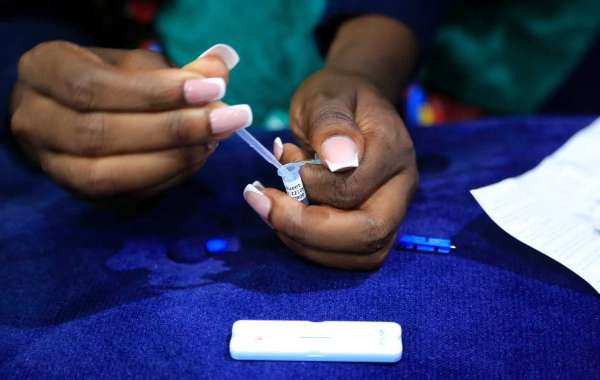

A possible exposure to HIV can understandably raise questions about testing, timing, and what to do next. Seeking reliable medical information early can help you understand the available options without relying on symptoms alone. An HIV Test in Dubai can provide important information about your HIV status, but the timing of the test is an important part of interpreting the result.
HIV testing after a possible exposure is not simply about taking one test immediately and assuming the result gives a complete answer. Different tests detect different markers, and those markers may not become detectable immediately after infection. Understanding the testing process can help you make informed decisions about follow-up care.
Why HIV Testing After Exposure Matters
HIV can be transmitted through certain types of sexual contact and exposure to infected blood or other specific body fluids. However, not every situation involving sexual contact or bodily fluids carries the same level of risk.
If you believe an exposure may have occurred, speaking with a healthcare professional can help you understand whether testing is appropriate and whether any time-sensitive medical options should be discussed.
Testing can also help identify an infection that may not produce noticeable symptoms. Some people with HIV do not experience obvious symptoms, particularly during certain stages of infection.
What Counts as a Possible HIV Exposure?
A possible exposure can occur in different circumstances. For example, unprotected vaginal or anal sex with a person whose HIV status is unknown may warrant a medical assessment.
Sharing injection equipment can also create a potential route of HIV transmission. Certain occupational exposures, such as an accidental needlestick involving potentially infected blood, may also require prompt medical evaluation.
The level of risk depends on factors such as the type of exposure, whether bodily fluids were involved, and whether the source person has HIV and their treatment status.
Because individual circumstances differ, it is better to discuss a specific exposure with a qualified healthcare professional rather than attempting to calculate risk from general information alone.
When Should You Get Tested?
The appropriate timing depends partly on the type of HIV test being used.
Modern HIV tests can detect infection at different stages. Some tests detect HIV antigen and antibodies, while other tests detect antibodies or viral genetic material.
If you test too soon after an exposure, the test may not yet detect an infection. This period is known as the window period.
For this reason, a healthcare provider may recommend testing at an appropriate time and, depending on the circumstances, repeating the test later.
Understanding the HIV Window Period
The window period is the time between infection and when a particular test can reliably detect evidence of HIV.
The length of this period varies according to the testing method. A nucleic acid test, for example, looks for HIV genetic material, while an antigen/antibody test looks for both p24 antigen and antibodies.
Because the tests detect different markers, their ability to identify a recent infection can differ.
If you are arranging an HIV Test in Dubai after a recent exposure, tell the healthcare provider exactly when the exposure occurred if you can. This information can help them explain the appropriate testing schedule.
Enfiled STD Clinic for HIV Testing After Exposure
At Enfiled STD Clinic, individuals concerned about a possible HIV exposure can discuss their situation with healthcare professionals and learn about available testing options.
A consultation can be useful when you are unsure whether the exposure warrants testing, when you are uncertain about the correct testing time, or when you need help understanding a previous result.
The healthcare provider can consider the timing and circumstances of the exposure and explain whether immediate testing, follow-up testing, or additional medical evaluation may be appropriate.
Do Not Wait for Symptoms Before Testing
One common misunderstanding is that HIV testing is only necessary when symptoms appear. This is not a reliable approach.
HIV can occur without noticeable symptoms. When symptoms do occur, they may resemble other common infections or illnesses.
Possible early symptoms can include fever, tiredness, sore throat, swollen lymph nodes, or a rash. These symptoms are not specific to HIV and cannot be used to confirm infection.
If you have experienced a potential exposure, the timing and circumstances of the exposure are more relevant to deciding about testing than whether you currently feel unwell.
What If the Exposure Was Very Recent?
If a possible exposure occurred recently, contact a healthcare professional promptly.
In some circumstances, post-exposure prophylaxis, commonly called PEP, may be considered. PEP is medication used after a potential exposure to HIV and is time-sensitive. It should be assessed by a qualified healthcare professional as soon as possible.
PEP is not a substitute for HIV testing. A healthcare provider can explain whether it may be appropriate and what testing and follow-up are required.
Do not delay seeking medical advice simply because you are waiting for symptoms.
What Type of HIV Test May Be Used?
Healthcare professionals can select testing based on the timing and circumstances of the possible exposure.
Laboratory antigen/antibody testing is commonly used for HIV screening. These tests can detect both HIV antigen and antibodies.
Nucleic acid testing can detect HIV genetic material and may be considered in certain situations, particularly when very recent infection is a concern.
Rapid testing is also available in some settings. However, the speed of receiving a result should not be confused with the ability to detect a very recent infection.
The healthcare provider can explain the advantages and limitations of the test used in your situation.
What If the First Test Is Negative?
A negative result can be reassuring, but its interpretation depends on when the test was performed.
If testing occurs during the window period, HIV may not yet be detectable. In that situation, the healthcare provider may recommend repeat testing after an appropriate interval.
This is why it is important to tell the provider about the date of the possible exposure.
A negative test taken at the appropriate time provides more useful information than a test taken too early.
What If the Test Is Reactive?
A reactive HIV screening result does not by itself necessarily establish a final HIV diagnosis.
Further testing is generally required to confirm whether HIV infection is present. The healthcare provider can explain the next steps and arrange appropriate follow-up.
If you receive a reactive result, avoid interpreting it based only on information found online. Follow the recommended confirmatory testing process and discuss your result with a qualified healthcare professional.
Can You Have HIV Without Symptoms?
Yes. Some people with HIV may have no noticeable symptoms for an extended period.
This is one reason testing is important after a relevant exposure. Feeling healthy does not necessarily tell you whether HIV is present.
Likewise, experiencing symptoms does not automatically mean that you have HIV because many other conditions can cause similar symptoms.
Testing provides objective information that symptoms alone cannot provide.
Should You Test for Other Infections?
A possible sexual exposure may involve more than HIV. Depending on the circumstances, a healthcare provider may recommend testing for other sexually transmitted infections.
Conditions such as chlamydia, gonorrhea, syphilis, and hepatitis can have different testing requirements and may also occur without obvious symptoms.
A sexual health consultation can therefore be an opportunity to discuss whether additional screening is appropriate.
Maintaining Privacy During HIV Testing
Concerns about privacy can prevent some people from seeking testing. Before your appointment, ask the healthcare facility how patient information and test results are handled.
A professional testing provider should explain its confidentiality procedures and how results are communicated.
You can also ask questions about the testing process before providing a sample. Knowing what to expect may make the appointment more comfortable.
Why Timing Should Not Be Ignored
Testing immediately after an exposure can be useful in some circumstances, but it may not be sufficient to rule out a very recent infection.
The correct follow-up schedule depends on the test used and the circumstances. There is no single timing rule that applies identically to every situation.
This is why professional advice is particularly valuable after a possible exposure.
What to Tell Your Healthcare Provider
When discussing a possible HIV exposure, provide as much accurate information as you can. Tell the provider approximately when the exposure occurred and what type of exposure happened.
You should also mention any previous HIV tests and medications or preventive treatments that may be relevant.
You do not need to feel embarrassed about these questions. Accurate information helps the healthcare provider give more appropriate testing guidance.
Final Thoughts
HIV testing after a possible exposure can provide important information, but timing matters. Different HIV tests detect different markers, and an infection may not be detectable immediately after exposure.
If you are considering an HIV Test in Dubai, discuss the date and circumstances of the possible exposure with a qualified healthcare professional. They can explain which testing method may be appropriate and whether follow-up testing is needed.
Most importantly, do not wait for symptoms before seeking medical advice. HIV can occur without noticeable symptoms, and prompt professional guidance is particularly important when a possible exposure happened recently.