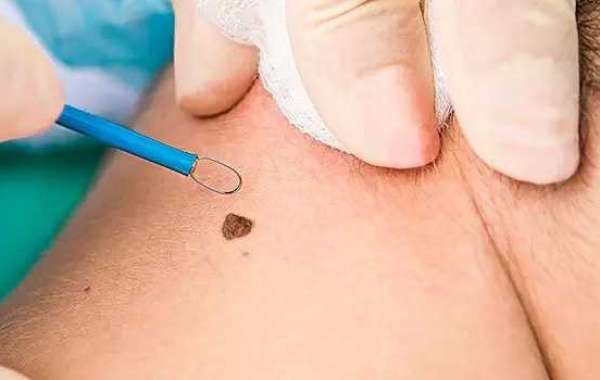

Moles are common skin growths that can appear anywhere on the body. While many are harmless and require no treatment, some people choose to have them removed because of their appearance, irritation, or changes in their shape or color. For anyone considering Moles Removal Dubai, understanding who may be a suitable candidate is an important first step.
Mole removal is not automatically necessary for everyone. A proper skin assessment can help determine whether removal is appropriate and which method may be suitable. Factors such as the type of mole, its location, appearance, and any recent changes are usually considered before treatment.
What Are Moles?
Moles, medically known as nevi, are small areas of skin that develop when pigment-producing cells grow in clusters. They can be flat or raised and may range in color from light brown to dark brown or black. Some people are born with moles, while others develop them during childhood or adulthood.
Most ordinary moles are benign. However, a mole that changes noticeably should not simply be removed for cosmetic reasons without first being evaluated by a qualified medical professional.
Who May Be a Good Candidate for Mole Removal?
The ideal candidate depends on the individual mole and the person's overall skin health. In general, mole removal may be considered for people who have:
1. A Mole That Causes Physical Irritation
Moles located in areas exposed to frequent rubbing can become uncomfortable. For example, a raised mole may repeatedly catch on clothing, jewellery, or other items.
If a mole regularly becomes irritated, bleeds after accidental injury, or causes discomfort, professional assessment may help determine whether removal is appropriate.
2. A Mole That Affects Appearance
Some people are bothered by prominent moles on highly visible areas such as the face, neck, or arms. A person who feels self-conscious about a noticeable mole may consider removal for cosmetic reasons.
In these situations, the goal is generally to improve the appearance of the skin while taking appropriate steps to minimise visible marks or scarring.
3. A Mole That Has Changed
Changes in a mole deserve particular attention. A mole that changes in size, shape, color, or texture should be examined rather than treated solely as a cosmetic concern.
Warning signs may include:
- A noticeable increase in size
- An irregular or uneven shape
- Multiple colors within the same mole
- Changes in its border
- Persistent itching, bleeding, or crusting
- A new or unusual skin growth
These changes do not automatically mean that a mole is dangerous. However, they can indicate the need for medical evaluation before any removal procedure is considered.
4. People With Generally Healthy Skin
The condition of the surrounding skin can also be relevant. People with healthy skin and no active skin infection or significant irritation around the treatment area may be better positioned for a straightforward removal and healing process.
During an assessment, the skin professional can consider factors that may influence healing and recommend an appropriate approach.
Who May Need Further Evaluation Before Removal?
Not every mole should be removed immediately. If a mole looks unusual or has recently changed, the first priority is determining what it is.
A medical professional may examine the mole closely and, when appropriate, recommend additional evaluation. In some cases, the removed tissue may also need laboratory examination to determine its nature.
This is particularly important because cosmetic mole removal should not replace proper assessment of a suspicious skin lesion.
Does the Location of the Mole Matter?
Yes. The location can influence both the removal approach and the healing process. Moles on the face, for example, may require particular attention because even a small mark can be noticeable.
Moles in areas that experience frequent friction may also be more likely to become irritated. Similarly, areas exposed to sunlight may require careful aftercare following treatment.
For individuals considering Moles Removal Dubai, discussing the location of the mole during an initial assessment can help establish realistic expectations about healing and the final appearance of the skin.
What Happens During a Mole Removal Assessment?
Before treatment, the mole is generally examined to determine its characteristics and whether removal is appropriate. The assessment may consider:
- The mole's size and shape
- Its color and surface
- Whether it is flat or raised
- Its location on the body
- Any recent changes
- Previous irritation or injury
- The condition of the surrounding skin
Once the assessment is complete, the appropriate removal method can be discussed. Different techniques may be used depending on the type and characteristics of the mole, so there is no single approach that is suitable for everyone.
What Should You Expect After Mole Removal?
Healing varies from person to person and depends partly on the location and removal technique. The treated area may initially appear slightly red or sensitive, and temporary changes in the skin can occur during the healing process.
Following aftercare instructions is important. Keeping the area protected, avoiding unnecessary picking or scratching, and following recommended skin-care guidance can support proper healing.
Sun protection is particularly important after skin procedures. In Dubai's bright and sunny climate, protecting the treated area from excessive sun exposure can help reduce the likelihood of prolonged discoloration.
Is Mole Removal Suitable for Everyone?
There is no universal answer. A person may be a suitable candidate for mole removal for cosmetic or practical reasons, while another person may need further assessment before treatment.
The safest approach is to have any concerning or changing mole evaluated before deciding on removal. This helps ensure that an appropriate treatment plan is selected based on the individual's skin and the characteristics of the mole.
Choosing Mole Removal in Dubai
People researching Moles Removal Dubai should focus on proper assessment, suitable treatment options, hygiene, aftercare, and realistic expectations rather than simply looking for a quick removal solution.
A qualified professional can explain whether removal is appropriate, what technique may be considered, and what the healing process could involve. Asking questions during the consultation can also help you understand how the treated area may look while it heals.
Final Thoughts
Mole removal can be considered by people who have bothersome, frequently irritated, or cosmetically unwanted moles. However, any mole that changes in appearance or behaves differently should be professionally assessed before removal.
For those exploring Moles Removal Dubai, understanding the condition of the mole, choosing an appropriate treatment approach, and following proper aftercare are key parts of the process. A personalised assessment remains the best way to determine whether mole removal is suitable for you.