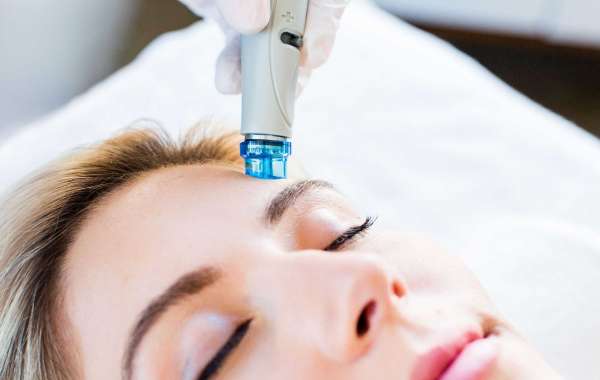

Dry and dehydrated skin can make the complexion look dull, rough, tight, or tired even when you follow a regular skincare routine. In Dubai, factors such as intense heat, sun exposure, low indoor humidity, and frequent air-conditioning can make maintaining skin hydration even more challenging. This is one reason many people explore professional facial treatments designed to cleanse, exfoliate, and replenish the skin. Hydrafacial in Dubai has gained attention as a treatment that combines several skincare steps into one session, making it an option for people looking to refresh dry and dehydrated skin.
Dry Skin vs. Dehydrated Skin: What Is the Difference?
Although the terms are often used interchangeably, dry and dehydrated skin are not exactly the same.
Dry skin generally refers to a skin type that does not produce enough natural oils. It may feel rough, flaky, or tight and can be more sensitive to environmental changes.
Dehydrated skin, on the other hand, lacks sufficient water. Any skin type, including oily or combination skin, can become dehydrated. Dehydrated skin may appear dull and feel tight, while fine lines can sometimes look more noticeable.
Understanding the difference is important because hydration-focused skincare needs to address the condition of the skin rather than simply its surface appearance.
How Does Hydrafacial Work for Dry Skin?
A Hydrafacial typically combines cleansing, exfoliation, extraction, and hydration in a structured treatment. Instead of relying on a single step, the process works on several aspects of skin care during the same session.
The treatment generally begins with gentle cleansing to remove surface impurities. Exfoliation then helps loosen dead skin cells that can contribute to a rough or dull appearance. A specialized suction-based process may be used to clear impurities from pores, followed by the application of hydrating skincare solutions.
For dry skin, the hydration stage is particularly relevant because freshly exfoliated skin can receive moisturizing and nourishing ingredients more effectively.
Hydrafacial and Dehydrated Skin
Dehydration can affect how the complexion looks and feels. Skin may appear less radiant, feel tight after cleansing, or develop fine surface lines that become more visible when the skin lacks water.
A Hydrafacial can support a more hydrated-looking complexion by combining exfoliation with the application of hydrating formulations. Removing accumulated surface debris may also help skincare products interact more evenly with the skin.
However, professional facial treatments should not be viewed as a replacement for everyday hydration. Drinking enough water, using appropriate moisturizers, protecting the skin from the sun, and maintaining a consistent skincare routine remain important for supporting the skin barrier.
Key Skin Benefits You May Notice
When performed appropriately, a Hydrafacial may provide several benefits for people dealing with dryness or dehydration.
1. Improved Hydration
One of the main attractions of the treatment is its focus on hydration. The final stage introduces hydrating ingredients to help the skin feel smoother and more refreshed.
2. Smoother Skin Texture
Dead skin cells can accumulate on the surface and make the complexion feel uneven. Gentle exfoliation helps remove this buildup, leaving the skin feeling softer.
3. A More Radiant Appearance
Dry and dehydrated skin often looks dull because light does not reflect evenly from a rough surface. By cleansing and exfoliating the skin, a facial treatment may help restore a fresher-looking glow.
4. Cleaner-Looking Pores
The extraction component can help remove impurities from pores. This may be particularly useful for people whose skin feels congested while also experiencing dryness.
5. Better-Prepared Skin
Once surface buildup is reduced, skincare products can be applied to a cleaner and smoother surface. This can make a regular skincare routine feel more effective and comfortable.
Why Dubai's Climate Can Affect Skin Hydration
Dubai's environment can present several challenges for maintaining comfortable, hydrated skin. Strong sunlight and high temperatures can increase the need for consistent sun protection and skincare. At the same time, spending long periods in air-conditioned environments can contribute to a feeling of dryness.
Daily habits can therefore make a significant difference. People with dry or dehydrated skin may benefit from:
- Using a gentle, non-stripping cleanser
- Applying moisturizer regularly
- Wearing broad-spectrum sunscreen
- Avoiding excessively hot water when washing the face
- Maintaining adequate fluid intake
- Choosing skincare products suited to their skin condition
- Avoiding excessive exfoliation
A professional facial can complement these habits, but consistent home care remains an important part of maintaining results.
What Happens During a Hydrafacial Session?
The exact process can vary depending on the individual's skin and the treatment protocol being used. Generally, the session involves several stages designed to prepare, cleanse, and hydrate the skin.
The skin is first cleansed and exfoliated to remove surface buildup. A gentle extraction process may then help clear impurities from the pores. Finally, hydrating and nourishing solutions are applied to leave the complexion feeling refreshed.
One reason Hydrafacial in Dubai is often considered for dry skin is that the treatment combines exfoliation and hydration rather than focusing solely on removing surface debris.
Is Hydrafacial Suitable for Everyone With Dry Skin?
A Hydrafacial may be suitable for many people experiencing mild dryness or dehydration, but individual skin conditions differ. Someone with severe irritation, an impaired skin barrier, active inflammation, or certain dermatological conditions may require a different approach.
A professional skin assessment can help determine whether the treatment is appropriate. It can also help identify whether the main concern is dryness, dehydration, sensitivity, pigmentation, congestion, or a combination of several issues.
This personalized approach is particularly useful because using too many exfoliating or active treatments on already-sensitive skin may worsen discomfort.
How to Maintain Hydrated-Looking Skin After Treatment
The way you care for your skin after a facial can influence how comfortable and refreshed it remains.
Keep your routine simple and focus on hydration and barrier support. A gentle cleanser, moisturizer, and daily sunscreen can provide a practical foundation. It is also wise to avoid immediately overwhelming the skin with multiple strong exfoliants or active ingredients unless they have been recommended as part of your skincare plan.
For people living in Dubai, daily sun protection is especially important. UV exposure can contribute to premature skin aging and may affect the overall appearance and texture of the complexion.
Final Thoughts
Dry and dehydrated skin can be influenced by environmental conditions, lifestyle, skincare habits, and the natural characteristics of the skin. A Hydrafacial combines cleansing, exfoliation, extraction, and hydration to provide a comprehensive approach to refreshing the complexion.
For those considering Hydrafacial in Dubai, understanding the difference between dry and dehydrated skin can help set realistic expectations and support better treatment decisions. When combined with suitable daily skincare, hydration, and sun protection, professional facial care can be part of a broader strategy for maintaining smoother, fresher, and healthier-looking skin.
Frequently Asked Questions
1. Can Hydrafacial help very dry skin?
It may help improve the appearance and feel of dry skin by combining gentle exfoliation with hydration. Suitability depends on the skin's condition and sensitivity.
2. Is Hydrafacial good for dehydrated skin?
It can be useful for dehydrated-looking skin because hydration is an important part of the treatment. Results can vary depending on individual skin characteristics and lifestyle factors.
3. How often should Hydrafacial be done for dry skin?
There is no single schedule that works for everyone. Treatment frequency should depend on skin condition, skincare goals, and professional recommendations.
4. Can I use my normal skincare routine after a Hydrafacial?
A gentle routine is generally preferable immediately after treatment. Products containing strong exfoliating or active ingredients may need to be temporarily limited depending on individual skin sensitivity.