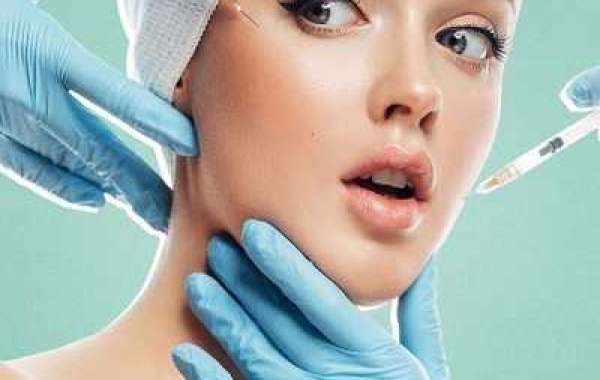

For people exploring aesthetic and wellness treatments, glutathione injections can seem appealing because glutathione is a naturally occurring antioxidant involved in several important processes in the body. Interest in Glutathione Injections in Oman has grown alongside broader interest in skin-brightening, antioxidant, and wellness-focused treatments. However, beginners may find it difficult to separate realistic expectations from exaggerated claims.
A sensible approach starts with understanding what glutathione is, why injections are offered, what evidence exists for different uses, and what factors should be considered before choosing a treatment. Glutathione injections are not a one-size-fits-all solution, and the decision should be based on individual health circumstances, treatment goals, and professional medical guidance.
What Are Glutathione Injections?
Glutathione is an antioxidant naturally produced by the body. It helps protect cells from oxidative stress and participates in several metabolic processes. It is made from three amino acids: cysteine, glutamic acid, and glycine.
Glutathione is available in different forms, including oral supplements and injectable preparations. With injections, glutathione is administered directly into the body rather than being taken as a tablet or capsule.
The treatment is often discussed in connection with skin appearance and antioxidant support. Some people seek it because they are interested in achieving a more even-looking complexion or addressing concerns related to dull-looking skin. However, expectations should remain realistic because individual responses can vary considerably.
For beginners considering glutathione injections, the most important point is that the treatment should not be viewed simply as a cosmetic shortcut. Its suitability depends on the person's health, medical history, treatment goals, and the reason the treatment is being recommended.
Why Do People Consider Glutathione Injections in Oman?
People may consider Glutathione Injections in Oman for several different reasons. A common motivation is an interest in improving the overall appearance of the skin, particularly when the complexion appears uneven or tired. Others may be interested in glutathione because of its antioxidant properties.
However, these goals should be separated from claims that promise dramatic or guaranteed results. The evidence surrounding injectable glutathione for cosmetic skin lightening remains limited, and outcomes are not necessarily predictable.
Environmental factors can also influence interest in antioxidant-focused treatments. Oman has a predominantly hot, sunny climate, and prolonged ultraviolet exposure can contribute to premature skin aging and pigmentation concerns. Sun protection, appropriate skincare, hydration, and treatment of underlying skin conditions remain important parts of maintaining healthy-looking skin.
A qualified healthcare professional can help determine whether glutathione injections are appropriate or whether another approach would better match the individual's concern.
How Should Beginners Evaluate Their Options?
Choosing an injectable treatment should involve more than comparing packages or looking for the lowest cost. Beginners can use several practical criteria when evaluating their options.
1. Start With the Treatment Goal
The first question should be: what is the person actually trying to achieve?
Someone concerned about pigmentation may need a different treatment strategy from someone seeking general wellness support. If the primary concern is acne-related pigmentation, melasma, sun damage, or another skin condition, identifying the underlying issue is particularly important.
A treatment should have a clearly defined purpose rather than being chosen simply because it is popular.
2. Review the Evidence
Glutathione has legitimate biological functions as an antioxidant, but that does not automatically mean injectable glutathione is proven to deliver every cosmetic or wellness benefit promoted online.
Beginners should be cautious of claims involving guaranteed whitening, permanent changes in skin tone, rapid detoxification, or broad disease-prevention benefits. Reliable healthcare information should distinguish between established biological functions, emerging evidence, and marketing claims.
A professional consultation can help put the expected benefits into perspective.
3. Ask About Safety and Medical History
Before receiving an injection, the person's medical history should be reviewed. Existing medical conditions, allergies, medications, previous reactions to injectable treatments, pregnancy or breastfeeding, and other relevant factors may influence whether treatment is appropriate.
Questions about the formulation, route of administration, frequency, possible side effects, and monitoring should also be addressed beforehand.
This is especially important for beginners because an injectable product is not equivalent to an ordinary skincare product. It involves administration directly into the body and therefore deserves appropriate medical oversight.
4. Consider Product Quality and Administration Standards
The quality of the product and the way an injection is prepared and administered are important considerations. Beginners should seek treatment through an appropriately regulated healthcare setting where sterile procedures, proper storage, product traceability, and qualified administration are taken seriously.
It is reasonable to ask where the product comes from, whether it is appropriately labeled, how it is stored, and who will administer it. A reputable healthcare professional should be comfortable answering these questions.
5. Be Realistic About Results
One of the most important parts of evaluating glutathione injections is understanding that results vary.
Some individuals may notice changes in their skin appearance, while others may see little or no noticeable difference. Results can depend on factors such as baseline skin condition, pigmentation, sun exposure, genetics, lifestyle, and the overall treatment plan.
No responsible treatment evaluation should guarantee a particular degree of skin lightening or promise permanent results.
Potential Benefits and Limitations
Glutathione's antioxidant role is well established biologically, but its use as an injectable cosmetic treatment requires more careful interpretation.
People interested in glutathione injections may hope for brighter-looking skin, a more even complexion, or general antioxidant support. However, the scientific evidence for cosmetic use is not strong enough to treat dramatic skin-lightening claims as established facts.
There can also be practical limitations. Injectable treatments may require repeated sessions, and the effects, if noticeable, may not be permanent. Individual results can differ substantially.
There are also potential adverse effects. Depending on the product and administration circumstances, people may experience injection-site discomfort or other reactions. More serious complications can occur with improperly prepared, contaminated, inappropriate, or unsafely administered injectable products.
For this reason, the question should not simply be whether glutathione "works." A better question is whether the potential benefits justify the risks and whether the treatment is suitable for that particular person.
What Should Beginners Ask Before Treatment?
A short consultation can provide valuable information before making a decision. Beginners considering glutathione injections can ask:
What is the intended purpose of the treatment?
What benefits are realistically expected?
Is there good evidence supporting the proposed use?
Is the treatment appropriate for the person's medical history?
What formulation and dose are being considered?
How frequently would treatment be administered?
What side effects or complications are possible?
Who will administer the injection?
How is the product stored and handled?
Are there safer or better-supported alternatives for the same concern?
These questions can help distinguish a medically considered treatment plan from a purely promotional offer.
It is also worth asking whether the person's concern could be addressed with other approaches. For pigmentation and uneven skin tone, for example, sun protection and dermatologist-recommended topical or procedural treatments may have a more established role depending on the diagnosis.
Glutathione Injections and a Broader Skin-Care Strategy
Glutathione injections should not be considered a replacement for basic skin health practices. A broader approach generally produces more sustainable benefits.
Daily sun protection is particularly important for people concerned about pigmentation and premature skin aging. A suitable sunscreen, protective clothing, sensible sun exposure, adequate hydration, and a consistent skincare routine can all contribute to healthier-looking skin.
Diet and lifestyle also matter. A balanced diet containing a variety of fruits, vegetables, whole grains, protein sources, and other nutrient-rich foods supports normal antioxidant systems in the body.
For persistent pigmentation, changes in skin color, or other dermatological concerns, identifying the underlying cause is essential. Conditions such as melasma, post-inflammatory hyperpigmentation, and certain medication-related changes may require specific management.
Therefore, people researching Glutathione Injections in Oman may benefit from viewing the treatment as one possible option rather than the entire solution.
Frequently Asked Questions
1. Are glutathione injections safe for everyone?
No. Suitability depends on individual health circumstances, the formulation being used, the reason for treatment, and how the injection is administered. A healthcare professional should assess the individual before treatment.
2. Can glutathione injections permanently lighten the skin?
There is not enough high-quality evidence to support claims of guaranteed or permanent skin lightening. Any cosmetic change can vary between individuals and may not be permanent.
3. How quickly can someone see results from glutathione injections?
There is no single timeline that applies to everyone. Results depend on the individual's skin condition, treatment plan, and response. Claims promising dramatic changes within a very short period should be treated cautiously.
4. Are glutathione injections better than oral supplements?
The two forms are not necessarily interchangeable, and the best option depends on the intended use and individual circumstances. Injectable treatment also involves additional considerations related to administration and safety.
5. What should someone look for when choosing glutathione injections in Oman?
Beginners should prioritize qualified medical supervision, appropriate product sourcing, sterile administration, transparent information about risks and benefits, and a proper assessment of their health and treatment goals rather than choosing solely on price.
6. Can glutathione injections replace sunscreen and skincare?
No. Glutathione injections should not replace sun protection or an appropriate skincare routine. People concerned about pigmentation or skin aging generally benefit from a comprehensive approach tailored to their specific skin needs.
Final Thoughts
For beginners, evaluating Glutathione Injections in Oman should involve careful research rather than simply following cosmetic trends. Glutathione has important antioxidant functions in the body, but the evidence for injectable use in cosmetic skin lightening and other promoted benefits remains limited.
A thoughtful decision considers the person's goals, medical history, realistic expectations, product quality, administration standards, potential risks, and available alternatives. Professional medical guidance can also help determine whether glutathione injections are appropriate or whether another treatment would be more suitable.
Ultimately, the safest approach is to focus on evidence-based care and long-term skin health rather than promises of instant or dramatic transformation.
Read More About Glutathione Injections: https://xtiles.app/6abce2395978b7562e4c3db4



