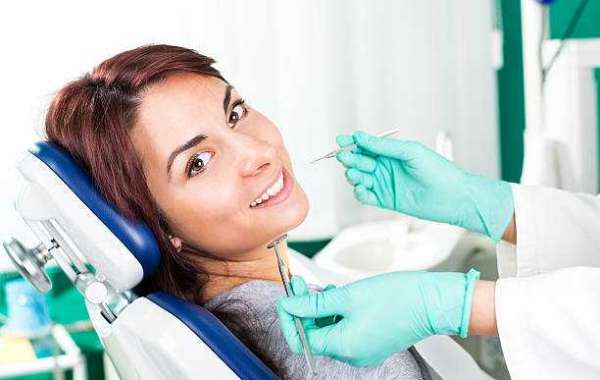

A bright, healthy-looking smile can influence how you feel about your appearance. Teeth Whitening in Dubai is a cosmetic dental treatment that can reduce certain types of tooth discoloration and help natural teeth look brighter. It does not change the shape or position of the teeth, but reducing stains can make an existing smile appear fresher.
The results depend on the original tooth shade, the cause of discoloration, enamel condition, and the whitening method selected. A professional assessment helps determine what level of improvement can realistically be achieved.
Common Reasons for a Dull Smile
Teeth naturally change color over time. Coffee, tea, cola, tobacco, and strongly colored foods can leave surface stains on the enamel. These stains may become more noticeable when exposure happens regularly.
Age can also affect tooth color. As enamel gradually becomes thinner, the naturally darker dentin underneath may become more visible. Certain medications, dental injuries, and developmental conditions can cause other forms of discoloration.
Understanding the cause of a dull-looking smile is important because different types of stains may respond differently to whitening.
The Role of Professional Whitening
Professional whitening uses carefully controlled whitening agents to break down compounds responsible for certain stains. Depending on the patient's needs, treatment may be performed in a dental office or through dentist-supervised take-home trays.
In-office whitening provides a controlled treatment environment, while customized take-home systems can offer a more gradual approach. The appropriate option depends on factors such as tooth sensitivity, staining, dental health, and the desired result.
Whitening should aim for a natural-looking improvement rather than an unrealistic shade.
Dental Clinic: Creating a Personalized Whitening Plan
A consultation at a qualified Dental Clinic allows the dentist to examine the teeth and gums before recommending treatment. The dentist can identify cavities, gum problems, enamel wear, and other conditions that may need attention.
Existing crowns, veneers, bridges, and fillings should also be discussed because these restorations generally do not whiten like natural teeth. This information helps the dentist plan treatment with the overall appearance of the smile in mind.
Improving Smile Confidence
For some patients, tooth discoloration can make them feel uncomfortable when smiling in photographs, social situations, or professional settings. Reducing visible stains may help them feel more comfortable showing their smile.
The psychological effect of cosmetic treatment is different for everyone. Whitening does not change the structure of the teeth, but a brighter appearance can contribute to a more polished overall look.
Whitening Is Not the Same as Dental Cleaning
It is useful to understand the difference between cleaning and whitening. Professional cleaning removes plaque, tartar, and certain surface deposits, while whitening changes the shade of suitable natural teeth.
Some patients may benefit from cleaning before whitening, particularly when buildup is affecting the appearance of the teeth. A dentist can recommend the appropriate sequence based on the condition of the mouth.
What About Tooth Sensitivity?
Temporary sensitivity can occur after whitening. Cold drinks, hot foods, or sweet products may feel more noticeable for a short period.
Patients who already experience sensitivity should discuss it with their dentist before treatment. The dentist can take this into account when selecting the whitening approach and providing aftercare advice.
Persistent or severe sensitivity should be professionally evaluated because it may be related to an underlying dental problem rather than whitening alone.
Maintaining a Brighter Smile
Whitening results can fade gradually as teeth are exposed to staining foods, drinks, and lifestyle factors. Maintaining good oral hygiene is therefore important after treatment.
Brushing twice daily with fluoride toothpaste and cleaning between the teeth can help control plaque. Drinking water after coffee, tea, and strongly colored foods can also help reduce residue.
Routine dental visits and professional cleaning can support both the appearance and health of the smile.
Choosing the Right Cosmetic Approach
Whitening may not be suitable for every type of discoloration. Deep internal stains or discoloration that does not respond sufficiently to whitening may require another approach.
Depending on the condition of the teeth, a dentist may discuss cosmetic options such as veneers or restorative treatments. The appropriate choice depends on individual dental needs and the desired appearance.
Final Thoughts
A brighter smile begins with healthy teeth and realistic cosmetic goals. When suitable natural teeth have discoloration that responds to professional treatment, Teeth Whitening can provide a noticeable improvement in appearance. Good oral hygiene, regular dental care, and sensible lifestyle habits can help maintain the results.



