
Liposuction is a surgical body-contouring procedure designed to remove selected deposits of subcutaneous fat. However, it is not suitable for everyone. Several factors can influence whether a person may benefit from treatment, including overall health, fat distribution, skin elasticity, weight stability, and expectations. Understanding these considerations can help individuals approach liposuction with realistic goals and appropriate preparation.
Overall Health and Medical History
General health is one of the first considerations when evaluating liposuction suitability. Because liposuction involves surgery, the medical team may review existing health conditions, previous operations, allergies, medications, and other relevant factors.
Certain medical or surgical considerations may affect whether the procedure is appropriate or how it should be planned. Providing complete and accurate health information allows the surgeon to assess potential risks and determine the safest approach.
Localized Fat Deposits
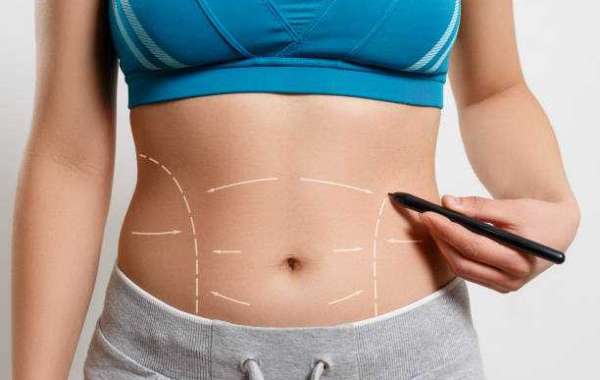
Liposuction is primarily intended for localized areas of subcutaneous fat rather than significant overall weight reduction. A person may be at a relatively stable weight but still have persistent fullness around particular areas.
Common areas that may be considered include:
- Abdomen
- Waist and flanks
- Hips
- Thighs
- Upper arms
- Back
- Selected other areas with localized fat
During consultation, the surgeon can determine whether the fullness is appropriate for fat removal and which areas may benefit from contouring.
Weight Stability
Stable body weight can be an important factor when considering Liposuction in Riyadh. The procedure is generally intended for contour refinement rather than major weight loss.
Significant fluctuations in weight can change body contours and affect how the results appear over time. Patients who are actively experiencing substantial weight changes may need to discuss weight stabilization and overall goals with their healthcare provider before proceeding.
Skin Elasticity
The condition of the skin can influence the final appearance after fat removal. Following liposuction, the skin needs to adapt to the new underlying contour.
People with reasonable skin elasticity may experience better natural adaptation. However, substantial loose or excess skin may not be corrected through liposuction alone.
Why Skin Quality Matters
Removing fat without considering skin laxity may not produce the desired contour. If significant excess skin is present, another body-contouring procedure may need to be considered.
A physical assessment allows the surgeon to evaluate skin quality and explain what liposuction can realistically accomplish.
Body Composition and Fat Type
Not all abdominal or body fat is the same. Liposuction primarily targets subcutaneous fat located directly beneath the skin.
Visceral fat, which surrounds internal organs, cannot be removed through liposuction. A person with significant abdominal fullness caused by visceral fat may therefore require a different approach focused on overall health and weight management.
Understanding the source of the fullness is an important part of determining suitability.
Realistic Expectations
Expectations can strongly influence whether liposuction is an appropriate choice. The procedure can reduce localized fat and refine contours, but it does not guarantee a particular body shape, waist size, or level of definition.
A suitable candidate generally understands that results vary according to anatomy, fat distribution, skin elasticity, healing, and other individual factors.
During consultation, discussing specific goals openly can help establish realistic expectations before treatment.
Lifestyle and Weight Management
Liposuction does not replace healthy eating or regular physical activity. It can address localized fat deposits that remain noticeable despite a healthy lifestyle, but it is not designed as a substitute for overall weight management.
Maintaining a stable weight after treatment can help preserve the body's contours. Significant future weight gain may enlarge remaining fat cells and alter the overall appearance.
Treatment Area and Body Proportions
The location of the fat deposit also matters. The surgeon may evaluate the relationship between the area of concern and surrounding body regions.
For example, treating the waist may involve considering the abdomen and flanks to maintain balanced transitions. Similarly, localized fullness around the hips or thighs may be assessed in relation to nearby areas.
Personalized planning helps determine whether treating a specific area is likely to support the desired contour.
Skin and Tissue Characteristics
In addition to skin elasticity, the overall condition of the tissues can affect treatment planning. Factors such as previous surgery, scars, stretch marks, tissue thickness, and existing contour irregularities may be considered.
These characteristics can influence the technique, treatment extent, and expected outcome.
Understanding the Recovery Process
Suitability also involves being prepared for the recovery period. After Liposuction in Riyadh, temporary swelling, bruising, tenderness, and changes in sensation may occur.
A compression garment may be recommended, while strenuous exercise and heavy lifting may need to be restricted temporarily. Patients should be willing and able to follow postoperative instructions and attend recommended follow-up appointments.
Smoking and Other Lifestyle Factors
Smoking and certain lifestyle factors can affect surgical healing. During consultation, it is important to provide accurate information about smoking, medications, supplements, and other habits.
The medical team can then provide individualized guidance about preparation and whether any changes are needed before surgery.
Consultation Is Essential
There is no single checklist that can determine liposuction suitability without a professional assessment. A consultation allows the surgeon to combine information about health, anatomy, fat distribution, skin quality, weight stability, and treatment goals.
The surgeon can then explain whether liposuction may be appropriate, which areas could be treated, what technique may be considered, and what limitations or risks apply to the individual situation.
Book Your Appointment at Royal Clinic Saudia
If you are considering Liposuction in Riyadh, Royal Clinic Saudia can provide a personalized consultation to assess your body-contouring goals, health, skin quality, and treatment areas. A professional evaluation can help you understand whether liposuction is appropriate and what to expect from the procedure and recovery.
FAQs:
What is the most important factor for liposuction suitability?
Suitability depends on several factors, including overall health, localized fat, skin elasticity, weight stability, and realistic expectations.
Is liposuction suitable for people who want major weight loss?
No. Liposuction is primarily intended for localized fat reduction and body contouring.
Does loose skin affect liposuction suitability?
Yes. Significant loose skin may limit what liposuction alone can achieve.
Is a consultation necessary before liposuction?
Yes. A professional assessment is important for evaluating your anatomy, health, treatment goals, and potential risks.