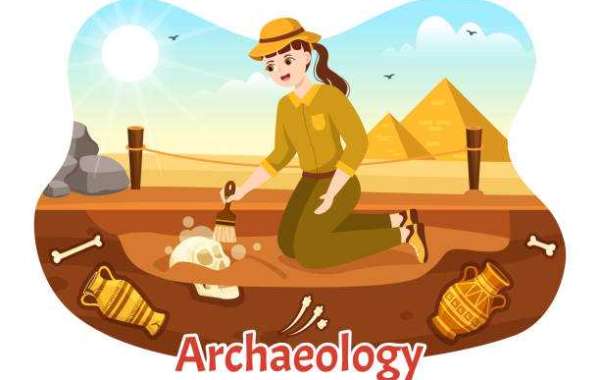

Archaeology dissertation topics open a fascinating window into human history, allowing students and researchers to explore ancient civilizations, cultural evolution, and material remains that shape our understanding of the past. Choosing the right topic is one of the most important steps in academic research because it defines the direction, depth, and originality of the entire dissertation. Whether focusing on prehistoric settlements, classical civilizations, or modern archaeological methods, a well-chosen topic can transform a standard academic exercise into meaningful scholarly contribution.
In recent years, archaeology has expanded beyond traditional excavation-based studies to include digital technologies, environmental reconstruction, and interdisciplinary approaches. This evolution has broadened the range of possible dissertation themes, making the field more dynamic and accessible to students with varied interests. However, the challenge remains the same: selecting a focused, researchable, and academically valuable topic that contributes to existing scholarship.
Understanding Archaeology Dissertation Topics
Archaeology dissertation topics are research questions or themes that guide in-depth academic investigation into human history through physical evidence. These topics are designed to encourage critical thinking, methodological rigor, and original analysis. A strong topic is not just descriptive but analytical, aiming to interpret findings rather than simply present them.
What Makes a Strong Archaeology Topic
A strong dissertation topic in archaeology is grounded in clear research questions, available evidence, and scholarly relevance. It should connect with established academic debates while offering a fresh perspective. For example, studying ancient burial practices becomes more valuable when it explores cultural meaning, social hierarchy, or technological evolution rather than merely cataloging graves.
Academic institutions such as the British Museum and research frameworks supported by organizations like UNESCO emphasize the importance of ethical research, cultural sensitivity, and scientific accuracy in archaeological studies. These standards help ensure that dissertation work contributes meaningfully to global historical knowledge.
Current Trends in Archaeological Research
Modern archaeology is increasingly influenced by technological advancements such as LiDAR scanning, GIS mapping, and isotopic analysis. These tools allow researchers to uncover hidden structures and analyze ancient environments with greater precision. As a result, dissertation topics now often include digital archaeology, climate impact on ancient societies, and virtual reconstruction of heritage sites.
These evolving trends reflect a shift toward interdisciplinary research, combining archaeology with environmental science, anthropology, and data science. This makes topic selection more flexible but also requires students to understand broader academic contexts.
At the end of this section, students seeking structured guidance can benefit from resources on archaeology dissertation writing, which provide deeper insights into planning, structuring, and executing academic research effectively.
Popular Archaeology Dissertation Topic Areas
Archaeology offers a wide range of dissertation themes that can be adapted based on time period, geographical focus, or methodological approach. One major area is prehistoric archaeology, which examines early human societies, tool development, and migration patterns. Another significant field is classical archaeology, which focuses on ancient civilizations such as Greece, Rome, and Egypt, offering rich material for cultural and architectural analysis.
Maritime archaeology is also gaining attention, particularly in studying ancient shipwrecks, trade routes, and underwater settlements. These topics often combine historical research with advanced diving technologies and remote sensing methods. Similarly, industrial archaeology explores the remains of early industrial societies, shedding light on technological and economic transformations.
Environmental archaeology is another growing field, focusing on how ancient populations interacted with their surroundings. This includes studying climate change impacts, agricultural development, and resource management in historical contexts. Such topics are increasingly relevant in today’s discussions on sustainability and environmental change.
Bioarchaeology, which examines human remains to understand health, diet, and lifestyle in ancient populations, has also become a popular dissertation choice. It bridges archaeology with biological sciences, offering detailed insights into human evolution and social structures.
How to Choose a Dissertation Topic
Selecting the right archaeology dissertation topic requires careful consideration of personal interest, academic relevance, and available resources. Students are encouraged to begin by identifying areas they are genuinely curious about, as sustained interest is crucial for long-term research projects.
It is also important to review existing academic literature to identify gaps in research. A strong dissertation topic often emerges from unanswered questions or debates within scholarly work. For instance, if there is limited research on trade networks in a specific ancient region, this gap can form the basis of a focused dissertation.
Practical considerations such as access to archaeological data, museum collections, or field sites also play a significant role. Without sufficient evidence or sources, even the most interesting topic may become difficult to complete effectively.
Research Methods in Archaeology Dissertations
Archaeological research relies on a combination of fieldwork, laboratory analysis, and theoretical interpretation. Excavation remains a core method, allowing researchers to uncover artifacts and structural remains directly from sites. However, modern dissertations often incorporate non-invasive techniques such as ground-penetrating radar and satellite imaging.
Laboratory analysis plays an equally important role, particularly in dating artifacts, analyzing soil samples, and studying human remains. Techniques like radiocarbon dating and DNA analysis have revolutionized the accuracy of archaeological interpretations.
Theoretical frameworks are also essential, as they help researchers interpret findings within broader cultural and historical contexts. For example, post-processual archaeology emphasizes human behavior and symbolic meaning, while processual archaeology focuses on scientific and systematic analysis.
Challenges and Academic Expectations
Writing an archaeology dissertation comes with several challenges, including data limitations, ethical considerations, and methodological complexity. Access to excavation sites or artifacts may be restricted, requiring students to rely on published data or museum archives.
Ethical concerns are also central to archaeological research. Respect for cultural heritage, proper handling of human remains, and compliance with international regulations are essential aspects of academic integrity. Institutions such as UNESCO provide guidelines to ensure responsible archaeological practices worldwide.
Another challenge is maintaining a balance between descriptive and analytical writing. Academic supervisors expect students to move beyond simple reporting of findings and engage in critical interpretation supported by evidence.
Conclusion
Archaeology dissertation topics offer an exciting opportunity to explore the human past through scientific investigation and historical interpretation. With the field continually evolving through new technologies and interdisciplinary approaches, students have more options than ever before when selecting a research focus.
A successful dissertation depends not only on choosing the right topic but also on applying strong research methods, engaging with academic literature, and maintaining ethical standards. By carefully planning and developing a clear research strategy, students can produce meaningful work that contributes to the broader understanding of human history and cultural development.