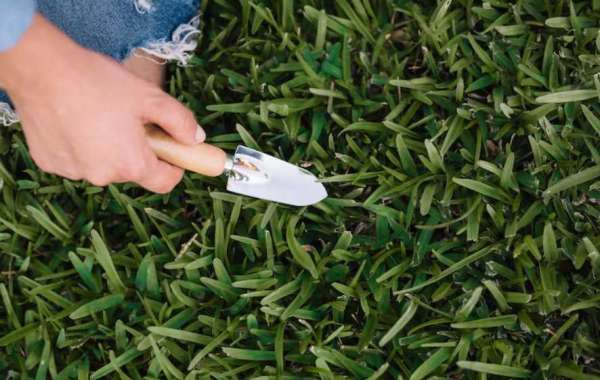

A healthy lawn needs more than regular mowing and watering. Even when grass receives adequate sunlight, fertilizer, and moisture, compacted soil can prevent the root system from developing properly. When soil becomes tightly packed, air, water, and nutrients have difficulty reaching grass roots. This can lead to thin growth, weak roots, poor color, and bare patches. One effective way to address these problems is core aeration, a lawn care process designed to improve soil conditions and encourage stronger grass growth.
For homeowners looking for lawn aeration for thick grass, understanding how aeration works and when it should be performed can make a significant difference. Core aeration removes small plugs of soil from the lawn, creating openings that allow essential resources to move deeper into the root zone. With better access to air, water, and nutrients, grass can establish stronger roots and develop a denser appearance.
Understanding Lawn Soil Compaction
Soil compaction is one of the most common problems affecting residential lawns. Everyday activities such as walking, children playing, pets running, outdoor gatherings, mowing, and vehicle traffic can gradually press soil particles together. Heavy clay soils may become compacted particularly easily.
When soil is compacted, there are fewer spaces available for air and water. Grass roots may struggle to penetrate the soil, causing them to remain close to the surface. Shallow roots are more vulnerable to drought, temperature changes, and other environmental stresses.
A lawn may show several signs of compaction, including water pooling after rain, slow drainage, thinning grass, excessive thatch, hard soil, and areas that become brown quickly during dry weather. If these conditions are present, aeration can help restore healthier soil structure.
What Is Core Aeration?
Core aeration is a mechanical lawn care process that removes small cylindrical plugs of soil from the ground. Unlike simple spike aeration, which only creates narrow holes by pushing soil aside, core aeration actually removes portions of compacted soil.
The openings created by core aeration provide pathways for air, water, and nutrients to reach grass roots. The removed soil plugs are generally left on the lawn surface, where they gradually break down and return organic material to the soil.
For homeowners seeking lawn aeration for thick grass, core aeration can be an important part of a comprehensive lawn maintenance program. It does not instantly make grass thick, but it creates better conditions for the grass to grow more vigorously over time.
How Aeration Supports Thicker Grass
Grass density depends heavily on the health and development of the root system. Strong roots allow grass plants to access water and nutrients more effectively. When roots have adequate room to grow, turf can often establish more evenly across the lawn.
Aeration helps by reducing the effects of soil compaction. Once soil cores are removed, new openings become available throughout the root zone. Water can move into the soil instead of remaining on the surface, while oxygen can reach areas that previously had limited air circulation.
These improved conditions can support stronger root development. As grass becomes healthier, it may fill in thin areas and produce a fuller appearance. Regular mowing at an appropriate height, proper watering, balanced fertilization, and overseeding can complement aeration for homeowners working toward a thicker lawn.
The Benefits of Core Aeration
Core aeration offers several benefits beyond simply creating holes in the soil. One major advantage is improved water penetration. Compacted lawns can cause irrigation and rainfall to run across the surface rather than reaching the root zone. Aeration provides channels that help water move deeper into the soil.
Another benefit is improved nutrient access. Fertilizers are more useful when nutrients can reach the areas where grass roots are actively growing. Aeration can help nutrients move into the root zone more effectively.
Core aeration can also encourage deeper root development. A deeper and healthier root system can help grass access moisture and nutrients from a larger area of soil. This can contribute to a more resilient lawn.
Aeration may also help reduce problems associated with heavy thatch buildup. When combined with appropriate lawn care practices, it can improve the overall growing environment for turf.
When Should You Aerate Your Lawn?
The ideal timing for aeration depends on the type of grass growing in the lawn. Cool-season grasses are commonly aerated during periods of active growth when temperatures are moderate. Warm-season grasses are generally aerated during their active growing season.
Timing is important because grass needs enough time after aeration to recover and take advantage of improved soil conditions. Aerating when grass is actively growing can encourage faster root development and better recovery.
It is also important to consider soil moisture. Soil should generally be moist enough for an aerator to penetrate effectively but not excessively wet. Extremely dry soil can be difficult to penetrate, while saturated soil may become damaged or compacted further.
Combining Aeration With Overseeding
If a lawn has thin or bare areas, aeration can be especially useful when combined with overseeding. The openings created during core aeration can provide better contact between grass seed and soil.
After aeration, grass seed can reach exposed soil areas where germination conditions may be more favorable. Adequate moisture and proper follow-up care are important for helping new grass establish.
Homeowners trying to improve lawn with core aeration may therefore consider pairing the process with overseeding when thinning turf is a concern. The combination can address both soil compaction and gaps in grass coverage.
How Often Should Core Aeration Be Performed?
There is no single schedule that works for every lawn. Soil type, grass variety, traffic levels, lawn condition, and climate all influence how frequently aeration may be beneficial.
Lawns exposed to heavy foot traffic or growing in compacted soil may require more frequent attention than lightly used lawns. Clay-heavy soils can also benefit from regular aeration because they are more susceptible to compaction.
Rather than aerating automatically every year, homeowners can evaluate their lawn's condition and growing environment. Areas that remain hard, drain poorly, or develop thin grass may be strong candidates for aeration.
Preparing for Lawn Aeration
Before aeration, the lawn should be assessed for irrigation systems, shallow cables, landscape features, and other potential obstacles. Marking sprinkler heads and other underground components can help prevent accidental damage.
The lawn should also be mowed appropriately before the process, depending on the recommendations for the grass type. Adequate soil moisture can make it easier for equipment to remove cores efficiently.
After aeration, normal lawn care should continue with attention to watering, mowing, fertilization, and seed establishment when applicable.
Building a Healthier Lawn Over Time
A thick lawn is the result of consistent care rather than one single treatment. Core aeration addresses soil compaction and creates opportunities for roots to grow in a healthier environment. However, long-term lawn improvement also depends on proper mowing, watering, fertilization, weed management, and attention to soil conditions.
For homeowners looking to improve lawn with core aeration, the key is to view aeration as part of a complete lawn care strategy. When compacted soil is limiting grass growth, opening the soil can help create better conditions for roots and turf.
Choosing lawn aeration for thick grass can be especially valuable when a lawn has heavy traffic, compacted soil, poor drainage, or thinning turf. By improving access to air, water, and nutrients, core aeration can support healthier roots and encourage more consistent grass growth.
With the right timing and follow-up maintenance, aeration can become an important part of a long-term lawn care routine. A well-aerated lawn has improved opportunities for root development, better resource movement, and stronger overall turf growth. For homeowners focused on creating a greener, fuller, and healthier yard, core aeration is a practical step toward better lawn conditions.