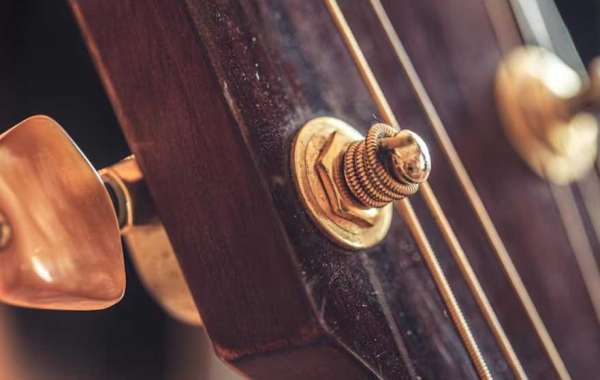

Choosing the right fretboard material can have a meaningful impact on the feel, appearance, response, and overall playing experience of a guitar. Two of the most commonly discussed hardwood options are ebony and rosewood. Both have been used on guitars for decades, and each offers characteristics that appeal to different types of players. When comparing an ebony vs rosewood fretboard, it helps to look beyond appearance and consider factors such as playing feel, tone, durability, maintenance, and personal preference.
Understanding Ebony Fretboards
Ebony is a dense, hard wood that is traditionally associated with smooth, refined fretboards. It is often recognized by its dark appearance, although natural ebony can contain subtle variations in color and grain. Its dense structure creates a very smooth surface when properly finished and maintained.
One of the first things players often notice about an ebony fretboard is its feel. The surface can feel exceptionally smooth beneath the fingers, making it attractive to guitarists who prefer quick movement along the neck. Bending notes, sliding between frets, and playing intricate passages can feel particularly comfortable.
Ebony is also appreciated for its firm response. Because the wood is dense and hard, many players describe the attack as clear and immediate. This characteristic can be especially appealing for lead guitarists, technical players, and musicians who want a precise response from their instrument.
Understanding Rosewood Fretboards
Rosewood is another popular fretboard material with a long history in guitar construction. It generally has a warmer visual appearance, with brown, reddish, or darker grain patterns depending on the particular variety. Every rosewood fretboard can have a unique natural appearance.
In terms of playing feel, rosewood can provide a slightly different experience from ebony. Many players find it comfortable and naturally smooth, but it may have a somewhat softer sensation under the fingertips. Rosewood is frequently associated with a warm and balanced playing response.
The natural grain of rosewood also contributes to its visual appeal. Players who enjoy traditional guitar aesthetics often appreciate the organic patterns and color variations that rosewood provides.
Ebony vs Rosewood Fretboard: Playing Feel
When considering an ebony vs rosewood fretboard, playing feel is one of the most important factors. Ebony's hardness and density can provide a firm, slick surface that feels particularly responsive during fast playing. Players who frequently perform bends, slides, legato passages, or complex solos may appreciate this characteristic.
Rosewood, on the other hand, tends to offer a more natural and slightly softer feel. Some guitarists enjoy the subtle texture of the wood and feel that it provides a comfortable surface for longer playing sessions.
Neither material is automatically better for every guitarist. The preferred feel depends largely on playing style, technique, hand preference, and personal experience.
Tone and Response
Fretboard material is often discussed in relation to guitar tone, although the overall sound of an instrument is influenced by many components. The body wood, neck construction, pickups, strings, bridge, setup, amplifier, and playing technique all contribute to the final sound.
Ebony is commonly associated with a clear, articulate attack. Its dense structure can complement instruments where a player wants notes to feel focused and immediate. This can be appealing for styles that emphasize detailed articulation.
Rosewood is often associated with a warm and balanced response. Some players prefer its character because it can complement the natural resonance of many guitar designs.
The difference should not be viewed as an absolute rule. Two guitars with the same fretboard material can sound very different because of their construction and other components.
Ebony Fretboard vs Rosewood: Durability
Another important consideration in an ebony fretboard vs rosewood comparison is durability. Ebony is a very dense hardwood, which makes it well suited to the repeated contact and friction that a fretboard experiences.
Rosewood is also a durable hardwood and has been successfully used on countless guitars. With proper care, both materials can provide many years of reliable performance.
Regular cleaning, appropriate humidity control, and proper string-changing habits can help protect either type of fretboard. Players should follow care recommendations appropriate to their specific instrument.
Appearance and Aesthetic Preferences
Appearance is another area where personal preference can play a major role. Ebony generally creates a dark, elegant appearance. Some ebony fretboards are nearly black, while others display natural brown streaks or lighter areas.
Rosewood tends to offer more visible grain variation. Depending on the type of rosewood, the fretboard may feature shades ranging from medium brown to deep reddish brown, often with attractive natural patterns.
For players who care strongly about the visual character of their instrument, the choice between ebony and rosewood may ultimately come down to which appearance fits their taste.
Maintenance Considerations
Both ebony and rosewood require reasonable care. A fretboard should be kept clean and free from excessive dirt and buildup. During routine string changes, players can gently clean the fretboard using products recommended for unfinished hardwood fretboards.
Excessive moisture should generally be avoided, and guitars should be stored in an environment with appropriate humidity. Extremely dry conditions can affect the neck and fretboard, while excessive humidity can create other problems.
Regular inspection is also useful. Players should watch for signs of dryness, unusual fret movement, cracking, or other changes and address problems before they become more serious.
Which Fretboard Should You Choose?
The best choice depends on what you value most in a guitar. Ebony may appeal to players who prioritize a very smooth, firm surface and a crisp playing response. Rosewood may be attractive to players who prefer a traditional appearance, natural grain, and a warm-feeling playing surface.
When comparing an ebony vs rosewood fretboard, it is useful to actually play guitars with both materials whenever possible. Your hands can often tell you more about the difference than specifications alone.
Players should also consider the complete guitar rather than focusing exclusively on the fretboard. Neck shape, fret size, scale length, body construction, pickups, bridge design, and setup can have a significant effect on how an instrument feels and sounds.
Final Thoughts
The ebony fretboard vs rosewood discussion ultimately comes down to a combination of playing feel, appearance, response, durability, and individual preference. Ebony offers a dense and smooth playing surface with a refined appearance, while rosewood provides a naturally attractive grain and a comfortable traditional feel.
Both materials have earned their place in guitar building because they can provide excellent performance when properly selected and maintained. Instead of treating the decision as a competition, guitarists can think of ebony and rosewood as two different options that serve different preferences.
Whether you choose ebony or rosewood, a well-built guitar with a quality fretboard, proper setup, and good maintenance can provide a rewarding playing experience for years. The most important consideration is how the instrument feels in your hands and whether its characteristics support the way you enjoy playing.